CULTURAL HISTORIAN - Special Analysis
The Great Rewind: Why 2026 is Spiritually Reverting to 2016
An in-depth historical analysis of the '2026 is the new 2016' trend, exploring the cultural, political, and psychological reasons behind digital nostalgia for the mid-2010s.
1. Introduction: The Decade Loop
In the annals of historical study, the "decade" has always served as a convenient, if arbitrary, container for cultural identity. We speak of the "Roaring Twenties," the "Gloomy Thirties," or the "Reagan Eighties." Usually, we wait for a decade to end before we dissect it. However, in the accelerated digital ecology of 2026, history is no longer linear; it is cyclical, and the cycle has shortened dramatically.
At the beginning of 2026, a peculiar tectonic shift occurred in the collective consciousness of the Western world, particularly among Millennials and Gen Z. Without a centralized committee or a marketing push, millions of users on TikTok, Instagram, and X (formerly Twitter) began speaking of the year 2016 not just as a memory, but as a destination. The hashtag and sentiment phrase "2026 is the new 2016" began trending globally, accumulating billions of views and sparking a mass migration of digital content back to the aesthetic and emotional standards of ten years prior [citation:1][citation:10].
But why 2016? Why not the "optimistic" post-recession years of 2012, or the "grungy" early 2000s? For historians, the romanticization of 2016 offers a unique case study: it is the first time a generation has actively sought to return to a year that is objectively recent, technologically similar, but emotionally distinct. This article argues that the "2026 is the new 2016" trend is not merely lazy content recycling; it is a sophisticated, grassroots historical revisionism-a desperate attempt to reclaim a "pre-lapsarian" digital self before the onset of algorithm saturation, AI anxiety, and geopolitical despair.
2. The Anatomy of a Viral Trend
To understand the depth of the movement, one must first look at the data. By the second week of January 2026, the BBC reported a staggering 452% increase in searches for "2016" on TikTok [citation:1]. On Instagram, the "Throwback" feature saw its highest usage rate since 2018. The trend took two distinct forms: archeological and mimetic.
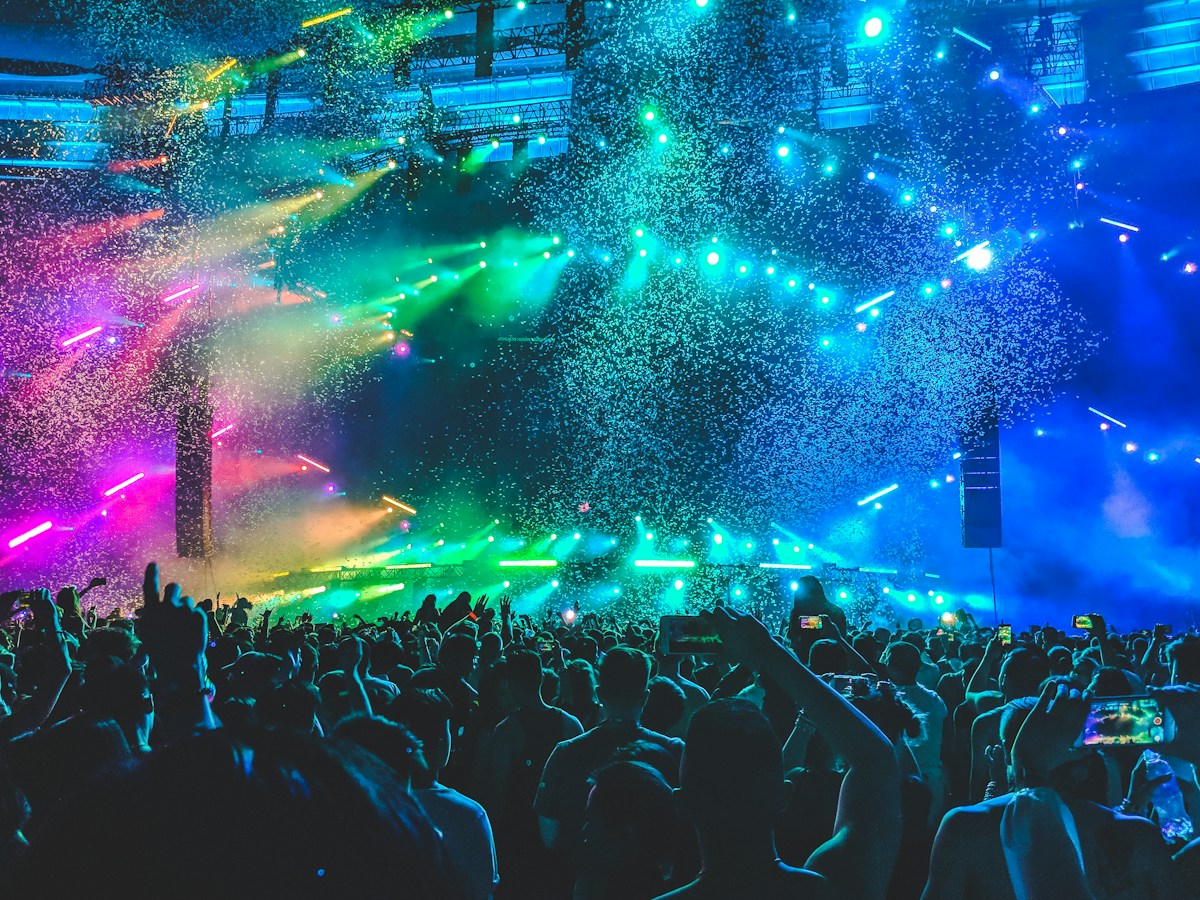
- Archeological Posting: Users dug deep into their camera rolls (often retrieving images from old iPhones or broken hard drives) to post raw, unedited screenshots from 2016. These are not curated influencer shots; they are grainy photos of concert crowds, Snapchat dog filters on friends, and poorly lit mirror selfies featuring "carved" eyebrows or chokers.
- Mimetic Re-creation: Younger users who were perhaps too young to participate in 2016 (Gen Alpha) began recreating the "vibe." Using modern cameras, they intentionally degraded the quality, adding artificial noise, fading the colors, and filming vertical videos with specific transitions to mimic the Vine-to-YouTube bridge era.
Celebrity involvement accelerated the trend into a mainstream phenomenon. Figures like Selena Gomez, Taylor Swift, and Kylie Jenner participated by posting their own 2016 archives. Kareena Kapoor Khan and Alia Bhatt joined the wave for Indian audiences, while K-pop idols shared their pre-debut 2016 selcas [citation:1]. This celebrity validation shifted the trend from a niche "inside joke" about time flying to a verified cultural reset.
3. The 2016 Aesthetic: Low Resolution, High Emotion
From a design historian's perspective, 2016 sits at a fascinating inflection point. It was the peak of the "flat design" era (think iOS 7 and the rise of Material Design), but it was also the last stand of "maximalist chaos." Unlike the highly curated, color-coded, symmetrical grids of the 2020s (the "Beige Age" of Instagram), 2016 feeds were messy.
The visual signifiers of the revival include:
- The "Dog Filter": Snapchat's puppy filter was ubiquitous. It represents a time when AR filters were silly and obvious, rather than the terrifyingly realistic "beauty filters" of 2026 that alter bone structure.
- Rose Gold & Pastels: The color palette of 2016 was soft, metallic, and whimsical, heavily influenced by the release of the iPhone 6s Rose Gold and the album Blonde by Frank Ocean.
- Font Choices: The resurgence of "Comic Sans" adjacent fonts and the heavy use of the "Impact" font for memes (Rage Comics style) signals a return to "low effort, high impact" humor.
As one netizen succinctly put it on X, "Now everything is heavily curated, and no one wants to be silly anymore" [citation:10]. The 2016 aesthetic is a rebellion against the high-definition, hyper-produced, AI-polished content of the current era. It is a celebration of imperfection as a marker of authenticity.
4. The Pre-Lapsarian World: Politics Before the Fall
This is where the historical analysis moves from the superficial to the profound. 2016 was not a peaceful year. It was chaotic. Yet, nostalgia for 2016 is largely nostalgia for the type of chaos experienced.
Temple University sociology professor Dustin Kidd notes, "People find comfort in the culture of 2016 as a kind of last moment of joy before the politics of our time began to overshadow cultural life" [citation:10]. In the timeline of the 21st century, 2016 represents the "climax" of the pre-Trump/pre-Brexit stabilization-or rather, the last year people felt politics was a spectator sport rather than an existential threat.
In 2016, the United States election was a shocking reality TV finale, but for many, it felt like an anomaly. By 2026, political tension has become the baseline of daily life. The climate crisis has shifted from "future warning" to "current evacuation orders." The 2026 is the new 2016 trend is a longing for a time when the "bad news" was still surprising, not exhausting [citation:6].
As one viral TikTok voiceover states: "In 2016, we thought the world was ending. In 2026, we know it is, but at least in 2016 we had good music."
5. The Last Analogs of the Digital Age
Perhaps the most significant driver of the trend is the memory of a hybrid reality. 2016 was the peak year of Pokémon Go. For one summer, millions of people left their houses, wandered into parks, and gathered at "Lures" on street corners to catch digital creatures on their phones [citation:10].

In retrospect, 2016 appears as the "Golden Age" of the Smartphone-a time when the device was a tool for augmenting reality rather than replacing it. TikTok existed (as Musical.ly), but it was not the algorithm-driven doom-scrolling engine it is today. Instagram had a chronological feed. People still shared photos of their food after eating it, not just for the aesthetic grid.
Commentators point to the "2026 is the new 2016" trend as a reaction against AI Anomie. The rise of generative AI (Midjourney, ChatGPT, Sora) has flooded the internet with synthetic content. To post a grainy, blurry, "low-quality" photo from 2016 is a political statement: I was there. This is real. This is human. It is a stand against the "Uncanny Valley" of the modern web [citation:9].
6. The Psychology of the 10-Year Nostalgia Cycle
Historically, nostalgia cycles operate on roughly a 20-30 year lag. The 1970s nostalgia of the 1990s (That '70s Show); the 1980s nostalgia of the 2010s (Stranger Things). By that math, 2026 should be obsessed with the year 2000 (Y2K) or 2006 (McBling). And indeed, those trends existed in the early 2020s. So why the skip to 2016?
Psychologists suggest that the pandemic (2020-2022) created a "time warp." The trauma of lockdown compressed the subjective experience of time. For a teenager who was 15 in 2016, they are now 25 in 2026. That ten-year span covered the transition from high school to the workforce, covering the pandemic. The nostalgia for 2016 is nostalgia for a version of adulthood that hasn't been touched by Zoom fatigue.
Furthermore, a Reddit user on the "Return to 2016" thread noted: "2016 was the last year you could be 'cringe' for free. Now, everything is recorded, analyzed, and monetized." This sentiment highlights the loss of the ephemeral web. In 2016, if you embarrassed yourself on Vine, the app died. In 2026, an embarrassing moment is screen-captured, turned into an NFT, and used as an AI training model.
7. A Critical Look: The 'Bad Old Days'
No historical analysis is complete without a critique of the "Golden Age" fallacy. Was 2016 actually better? Objectively, no.
- Pop Culture: The music charts were dominated by The Chainsmokers ("Closer") and Justin Bieber ("Sorry")-songs that music critics often deride as simplistic [citation:10]. The movies were dominated by Batman v Superman and Suicide Squad.
- Social Justice: While vibrant, the discourse was often toxic and performative. Terms like "cancel culture" were just beginning to metastasize.
- Mental Health: We were unaware of the damage social media was doing. The "Likes" we crave from the 2016 nostalgia posts are the same dopamine hits that led to the loneliness epidemic of the 2020s.
Historians must be wary of "presentism"-judging the past by the standards of the present-but we must also be wary of "romanticism." The "2026 is the new 2016" trend is not an accurate reading of history; it is an emotional reading of the present through the lens of the past. It tells us more about the anxiety of 2026 than the joy of 2016.
8. Conclusion: Living Through Someone Else's Past
As we move deeper into 2026, the trend shows no sign of abating. It is evolving. We now see "2016 house parties" where attendees dress in rose gold bomber jackets and play Twenty One Pilots on vinyl. It is a fascinating feedback loop where the simulation of the past becomes a ritual for the present.
Ultimately, the "2026 is the new 2016" phenomenon is a survival mechanism. In a world hurtling toward an uncertain future (AI singularity, climate crisis, geopolitical fragmentation), the human brain seeks refuge in the "recent safe zone." 2016 is safe because it is close enough to feel familiar, but far enough to feel resolved.
We are not trying to go back to 2016. We are trying to bring 2016 forward. We want the chaos, yes, but we want the low-stakes chaos, the dumb memes, the face-to-face interactions, and the feeling of a shared, non-algorithmic culture. As the saying goes, "You can't step in the same river twice," but in 2026, the entire internet is desperately trying to build a time machine to wade in the shallows of 2016 one more time.
Further Reading & Sources
- Times of India. (2026). '2026 is the new 2016' Instagram trend: Why this throwback is taking over social media feeds. [citation:1]
- China Daily. (2026). Social Media Digest: Ancient Fandom and Rose-tinted past. [citation:10]
- Malay Mail. (2025). From climate crunch to World Cup drama: Five big things to watch in 2026. [citation:6]
- National History Day. (2026). Theme: Revolution, Reaction, and Reform in History. [citation:2][citation:7]