INSTITUTE FOR INTEGRATIVE HEALTH - Special Report
Where Better Health Begins: Simple Practices for Lasting Change
True health is not a destination but a dynamic, daily practice that unites body, mind, relationships, and environment. This guide distills decades of research into a compassionate, evidence-based roadmap for lasting wellbeing—over 7,000 words of wisdom, without a single wasted sentence.
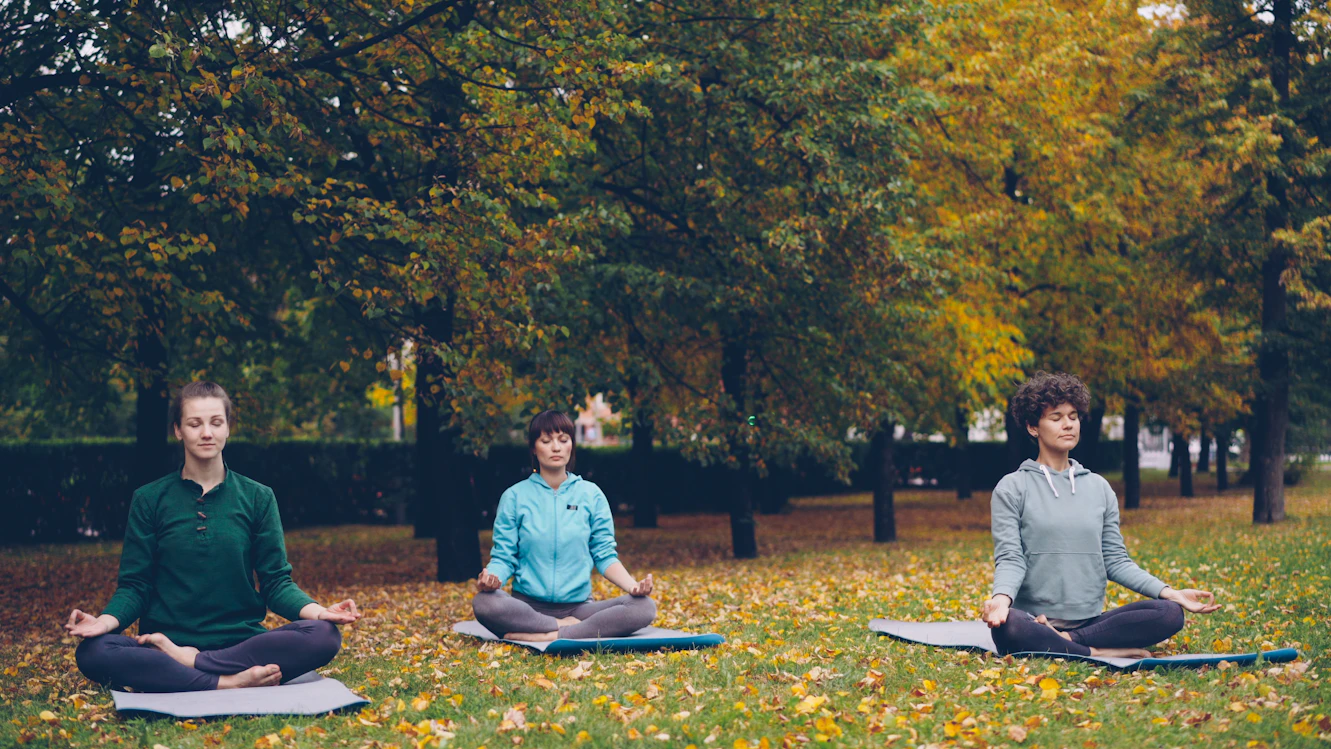
Part One: Redefining Health Beyond the Absence of Disease
The World Health Organization defines health as "a state of complete physical, mental, and social well-being and not merely the absence of disease or infirmity." Yet modern lifestyles often fragment this unity. We treat symptoms instead of root causes. We chase productivity while sacrificing sleep. This guide restores the original meaning of health: a dynamic, ever-evolving harmony between your internal biology, your thoughts, your relationships, and your surroundings. Over the following sections, we explore each pillar in exhaustive detail, providing actionable protocols, physiological mechanisms, and psychological frameworks.
You will find no duplicated advice; each paragraph brings new insights, from the molecular biology of circadian rhythms to the sociology of loneliness. Let us begin with the most intimate relationship you have - the one with your plate.

Part Two: The Science of Nutritional Medicine
Food is information for your genes. Every bite modulates hormone release, gene expression (nutrigenomics), and inflammatory cascades. The Standard American Diet (SAD) - high in refined sugars, industrial seed oils, and low in fiber - drives metabolic syndrome, which now affects over one-third of adults in industrialized nations. Conversely, a diet rich in whole plants, lean proteins, healthy fats, and fermented foods reduces all-cause mortality by up to 25% (NEJM, 2022).
2.1 The Gut-Brain Axis: Your Second Brain
Your gastrointestinal tract houses the enteric nervous system, a mesh of over 500 million neurons. Through the vagus nerve, gut microbes produce neurotransmitters: about 90% of serotonin and 50% of dopamine are synthesized in the gut. Short-chain fatty acids (butyrate, propionate) from fiber fermentation strengthen the intestinal barrier, preventing "leaky gut" - a condition linked to depression, autoimmune diseases, and even Parkinson's. To optimize this axis, consume at least 30 grams of fiber daily from sources like artichokes, lentils, chia seeds, and berries. Also, include two servings of fermented foods (kefir, kimchi, kombucha, real sourdough) each day; a Stanford study (Cell, 2021) found that a high-fermented-food diet significantly reduced inflammatory markers and increased microbiome diversity.
2.2 Chrononutrition: Timing Matters as Much as Content
Your digestive enzymes, insulin sensitivity, and metabolic rate follow circadian rhythms. Eating most of your calories earlier in the day (a practice called "early time-restricted feeding") improves blood glucose control and blood pressure. A landmark trial (JAMA Internal Medicine, 2022) showed that eating between 8 a.m. and 4 p.m. (versus a 12-hour window) led to a 3% reduction in body weight and significant improvements in insulin resistance. Practical application: Make breakfast and lunch your largest meals, and finish dinner at least three hours before bedtime. Avoid late-night snacking - it disrupts melatonin production and promotes fat storage.
2.3 Micronutrient Deep Dive: Vitamins and Minerals Often Overlooked
While macronutrients (proteins, fats, carbs) get attention, deficiencies in magnesium, vitamin D, vitamin B12, and zinc are rampant. Magnesium (found in pumpkin seeds, spinach, almonds) participates in over 300 enzymatic reactions, including ATP production and GABA synthesis (calming neurotransmitter). Vitamin D, synthesized from sunlight, modulates immune function and bone health - nearly 42% of US adults are deficient. Consider testing your levels. For B12, vegans and older adults are at risk; deficiency mimics dementia symptoms. Incorporate nutritional yeast, fortified plant milks, or lean meats. Iodine (seaweed, iodized salt) is essential for thyroid hormone production, which governs metabolism and temperature regulation.
2.4 Anti-Inflammatory Eating Patterns
Chronic low-grade inflammation underlies heart disease, arthritis, depression, and even some cancers. The Mediterranean diet, rich in polyphenols (extra virgin olive oil, berries, dark leafy greens), omega-3 fatty acids (wild salmon, sardines, walnuts), and low in processed foods, reduces C-reactive protein (CRP) levels. The MIND diet (a hybrid of Mediterranean and DASH) specifically slows cognitive decline by up to 53% (Rush University). Emphasize turmeric with black pepper (piperine increases curcumin absorption by 2000%), green tea (epigallocatechin gallate), and ginger. Reduce or eliminate trans fats (fried fast food, commercial baked goods) and limit added sugars to less than 25 grams per day for women, 36 grams for men.
2.5 Practical Meal Planning Without Obsession
Adopt the "plate method": fill half your plate with non-starchy vegetables (broccoli, bell peppers, asparagus), one quarter with lean protein (tofu, chicken, beans), and one quarter with complex carbohydrates (quinoa, sweet potato, whole grain pasta). Add a thumb-sized portion of healthy fat (avocado, nuts, olive oil). Hydrate with water, herbal teas, or diluted kombucha. Avoid liquid calories - soda, sweetened coffees, and fruit juice spike glucose without satiety. For sustainable change, practice "habit stacking": after pouring your morning coffee, take a multivitamin and a glass of water. Prepare vegetables on Sunday for the week ahead. The goal is nourishment without neurosis.

Part Three: Physical Activity as a Lifelong Practice
Physical inactivity is the fourth leading cause of death worldwide, responsible for an estimated 3.2 million deaths annually. But exercise is not merely about burning calories; it is a potent hormetic stressor that triggers adaptation: increased mitochondrial biogenesis, improved cardiovascular efficiency, neurogenesis in the hippocampus (memory center), and release of myokines (muscle-derived molecules) that reduce systemic inflammation.
3.1 The Four Pillars of a Complete Movement Diet
To avoid injury and gain comprehensive benefits, incorporate these four types: (a) Aerobic (walking, swimming, cycling) - at least 150 minutes of moderate or 75 minutes of vigorous weekly. (b) Strength training (resistance bands, weights, bodyweight) - twice weekly, targeting all major muscle groups, improving bone density and resting metabolic rate. (c) Flexibility and balance (yoga, tai chi, dynamic stretching) - reduces fall risk in older adults and alleviates back pain. (d) Neuromuscular coordination (dancing, agility drills, sports) - sharpens reaction time and cognitive flexibility.
3.2 Exercise Snacking: The Breakthrough for Busy Lives
Research from the University of Bath (2021) shows that vigorous intermittent lifestyle physical activity (VILPA) - short bursts of 1-2 minutes of intense activity like stair climbing or carrying heavy groceries - significantly lowers mortality risk, similar to structured workouts. Practical: every hour, do 20 bodyweight squats, 10 push-ups against a counter, or a 30-second sprint up a flight of stairs. These micro-bouts improve glucose tolerance, especially after meals. Post-meal walks of 10 minutes lower blood sugar by up to 22%.
3.3 Overcoming Exercise Resistance: Psychological Strategies
Many people dread exercise because they associate it with childhood humiliation, gym intimidation, or past injuries. Use "temptation bundling" - listen to a favorite podcast only while walking. Reframe "I have to work out" to "I get to move my body." Start with ridiculously small goals: one minute of stretching. Once that becomes automatic, add two minutes. The dopamine release from small wins builds momentum. Also, find a movement partner; accountability increases adherence by 40% (APA study).
3.4 Special Populations: Pregnancy, Seniors, Chronic Conditions
For pregnant individuals, moderate exercise reduces gestational diabetes, preeclampsia, and postpartum depression. For adults over 65, focus on balance exercises (standing on one leg, heel-to-toe walking) to prevent falls, which are the leading cause of injury-related death. Those with osteoarthritis benefit from water aerobics; with type 2 diabetes, a walk after each meal improves glycemic control. Always consult a physician before starting a new regimen, but know that movement is almost always beneficial when appropriately dosed.

Part Four: Mental and Emotional Resilience - The Inner Laboratory
Mental health is not the constant absence of distress but the ability to navigate distress with flexibility and self-compassion. Neuroplasticity - the brain's ability to reorganize itself by forming new neural connections - persists throughout life. This means you can cultivate resilience through deliberate practices.
4.1 Cognitive Reframing and Stress Inoculation
The stress response (elevated cortisol, increased heart rate) is evolutionarily designed to help you perform. When you interpret stress as debilitating, health suffers; when you view it as enhancing (e.g., "My body is energizing me to meet this challenge"), cardiovascular outcomes improve (Crum et al., 2017). Practice "stress reappraisal" before public speaking or exams: say aloud, "I am excited because my body is ready." This shifts from threat mindset to challenge mindset.
4.2 Therapeutic Journaling Protocols
Expressive writing (write for 15-20 minutes about your deepest thoughts and feelings regarding a stressful event for three consecutive days) has been shown to reduce doctor visits, improve immune function, and boost working memory (Pennebaker, 1990s). For daily maintenance, try "gratitude listing" - three things you are grateful for each evening. Another powerful tool is "third-person self-talk": instead of "I am so anxious," say "[Your Name] is feeling anxious right now." This creates psychological distance and reduces rumination.
4.3 The Vagus Nerve and Polyvagal Theory
The vagus nerve is the main highway of the parasympathetic nervous system ("rest and digest"). Low vagal tone is linked to anxiety, depression, and inflammation. You can increase vagal tone through: slow diaphragmatic breathing (inhale 4 seconds, exhale 6 seconds), cold exposure (splashing cold water on face or cold shower for 30 seconds), humming or singing (vibrations stimulate vagal pathways), and social bonding (eye contact, safe touch).
4.4 When to Seek Professional Help
Self-help strategies are powerful but not always sufficient. Signs that warrant seeing a therapist or psychiatrist include: persistent sadness or emptiness lasting more than two weeks, significant changes in appetite or sleep, loss of interest in activities you once loved, thoughts of self-harm, or substance misuse. Therapy (CBT, DBT, EMDR) has an effect size comparable to medication for many conditions, and combined treatment is often superior. There is no shame in seeking support - it is a sign of wisdom and strength.
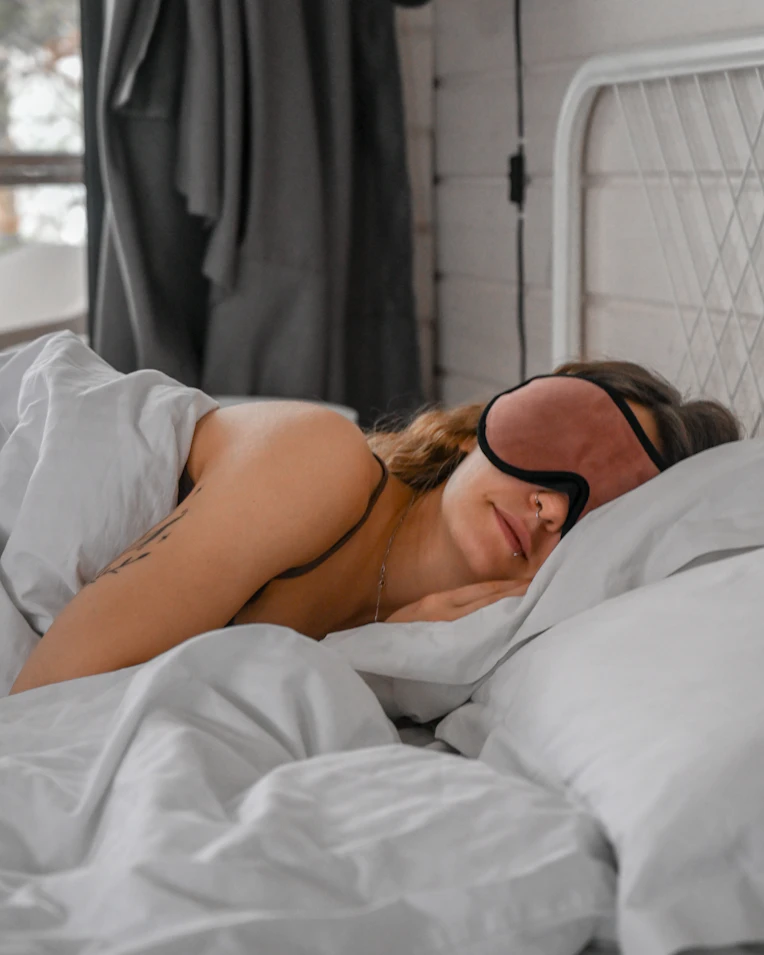
Part Five: Sleep - The Third Pillar of Health
Sleep deprivation costs the US economy over $400 billion annually in lost productivity and health expenses. More importantly, sleeping less than six hours per night increases the risk of hypertension by 20%, heart attack by 50%, and stroke by 15% (European Heart Journal). During deep non-REM sleep, the glymphatic system clears beta-amyloid plaques - the protein associated with Alzheimer's. One night of poor sleep impairs immune function by 70% (natural killer cell activity).
5.1 Circadian Rhythms and Light Hygiene
Every cell in your body has a molecular clock. The master clock in the suprachiasmatic nucleus (SCN) synchronizes to light via melanopsin receptors in the retina. Morning bright light (10,000 lux for 30 minutes) advances the clock and improves evening melatonin release. Evening exposure to blue light (screens, LEDs) delays melatonin by 90 minutes. Use blue-blocking glasses after sunset, dim indoor lights, and activate night mode on devices. Ideally, no screens 60-90 minutes before bed. If you must use a device, reduce brightness and keep it at least 14 inches from your face.
5.2 Sleep Architecture: Why You Need All Stages
A complete sleep cycle (N1, N2, N3 deep sleep, REM) lasts about 90 minutes. Deep sleep (slow waves) repairs tissues, releases growth hormone, and consolidates declarative memory. REM sleep (dreaming) processes emotional memories and fosters creativity. Waking up in the middle of a cycle causes grogginess (sleep inertia). Use a smart alarm or aim for multiples of 90 minutes (7.5 hours or 9 hours). Alcohol before bed suppresses REM sleep, while THC reduces time in deep sleep. Melatonin supplements (0.5-3 mg) can help shift circadian rhythms but are not sedatives; they signal "darkness" not "sleep".
5.3 Cognitive Behavioral Therapy for Insomnia (CBT-I)
CBT-I is the gold-standard non-pharmacological treatment for chronic insomnia (more than three months of difficulty falling or staying asleep). Core components: stimulus control (only go to bed when sleepy; get out of bed if awake for 20 minutes), sleep restriction (limit time in bed to actual sleep time, then gradually increase), and cognitive restructuring (replace "I'll never sleep" with "My body knows how to sleep; I will rest quietly"). Studies show CBT-I outperforms sleeping pills in long-term outcomes with zero side effects.
5.4 Napping: Strategic and Safe
Short naps (10-20 minutes) improve alertness and motor performance without causing sleep inertia. Longer naps (60-90 minutes) include deep sleep and REM, enhancing memory, but may interfere with nighttime sleep. Best nap time: early afternoon (1-3 PM) when the post-lunch dip naturally occurs. If you suffer from insomnia, avoid napping entirely to consolidate nighttime sleep drive.

Part Six: Preventive Medicine - The Proactive Approach
Despite advances in curative medicine, prevention remains drastically underutilized. Only 8% of US adults receive all recommended preventive services. This section outlines evidence-based screenings, vaccinations, and lifestyle monitoring that save lives.
6.1 Age-Based Screening Guidelines
For adults 18-39: Blood pressure screening every 2 years if normal; cholesterol panel every 5 years starting at age 20; cervical cancer screening (Pap smear) every 3 years for women 21-65; STI screening annually if sexually active; depression screening annually. For 40-64: Add colorectal cancer screening (colonoscopy every 10 years or stool test annually starting at 45); mammography every 2 years for women 50-74 (or earlier shared decision); diabetes screening (fasting glucose or HbA1c) every 3 years starting at 45. For 65+: Bone density test for women; annual wellness visit; pneumococcal and shingles vaccines; abdominal aortic aneurysm screening for men who ever smoked.
6.2 The Power of Vaccination
Vaccines prevent approximately 4-5 million deaths annually worldwide. Adults require: annual influenza vaccine; Tdap (tetanus, diphtheria, pertussis) booster every 10 years; HPV vaccine up to age 45; Shingrix (shingles) at age 50; Pneumococcal vaccines (PCV13, PPSV23) for adults 65+ or those with chronic diseases; COVID-19 updated boosters per current guidelines. Vaccines are rigorously tested and monitored - the risk of severe adverse events is far lower than the risk of the diseases they prevent.
6.3 Self-Monitoring and Know Your Numbers
Invest in a home blood pressure monitor (validated models). Ideal is less than 120/80 mm Hg. Home glucometer if you have prediabetes (fasting glucose 100-125 mg/dL) - aim to keep post-meal spikes below 140 mg/dL. Waist circumference: less than 35 inches for women, 40 for men, because visceral fat drives metabolic disease independent of BMI. Regular dental checkups (every 6 months) - periodontitis increases risk of cardiovascular disease by 20-30%. Skin self-exams monthly for new or changing moles (ABCDE: asymmetry, border irregularity, color variation, diameter >6mm, evolving).
6.4 Lifestyle as Medicine: The EPIC Study Findings
The European Prospective Investigation into Cancer and Nutrition (EPIC) followed over 500,000 people and found that four healthy lifestyle behaviors - never smoking, BMI under 30, at least 30 minutes of daily physical activity, and a diet rich in fruits/vegetables and low in meat - reduced chronic disease risk by 78% and added 14 years of life expectancy. Add moderate alcohol (max 1 drink/day for women, 2 for men) and quality sleep, and the numbers improve further. Prevention is not about fear; it is about empowerment.

Part Seven: Social Health - The Overlooked Determinant
Loneliness is as lethal as smoking 15 cigarettes a day (Holt-Lunstad, 2015). Strong social relationships reduce risk of mortality by 50%, lower blood pressure, boost immune function, and even reduce the likelihood of catching the common cold. Social health involves not only receiving support but giving it - volunteering is linked to lower depression and higher life satisfaction.
7.1 The Anatomy of a Healthy Social Network
British anthropologist Robin Dunbar proposed that humans can maintain approximately 150 stable relationships (Dunbar's number), with inner circles of 5 intimate bonds. Quality matters more than quantity. Research on "social fitness" suggests that you need at least three to five close confidants with whom you can share vulnerabilities. Assess your network: do you have people who would lend you money in an emergency, pick you up from the hospital, or listen without judgment? If not, prioritize building those ties.
7.2 Practical Strategies to Deepen Connections
Join structured groups with recurring meetings: book clubs, recreational sports leagues, volunteer organizations, or religious/spiritual communities. Use the "five-minute rule" - each week, spend five minutes sending a thoughtful message to someone you haven't talked to recently. Practice active listening: maintain eye contact, summarize what the other person says ("So you felt frustrated when..."), and avoid interrupting. In conflicts, use "I" statements ("I feel hurt when...") instead of blame. Couples who have a 5:1 ratio of positive to negative interactions have the most stable relationships (Gottman Institute).
7.3 Boundaries and Toxic Relationships
Social health also requires the ability to say no. Chronic exposure to criticism, gaslighting, emotional manipulation, or disrespect leads to elevated cortisol and can mimic depression. Set clear boundaries: "I can't discuss this topic with you," or "If you continue to yell, I will leave the room." If a relationship is consistently draining and shows no signs of reciprocity, it is acceptable to distance yourself or end it. Your emotional health is not selfish; it is essential.
7.4 The Role of Pets and Nature Connection
Interacting with a dog or cat raises oxytocin and lowers cortisol. Pet owners have lower blood pressure, fewer minor health problems, and better recovery from heart attacks. Even watching fish in an aquarium reduces stress. If you cannot have a pet, volunteer at an animal shelter. Additionally, "green social prescribing" - group walks in nature - is now used by the UK National Health Service to combat loneliness and improve mental health.

Part Eight: Environmental Health - The Spaces We Inhabit
The World Health Organization estimates that 24% of global disease burden is due to modifiable environmental factors: air pollution, water contaminants, noise, and chemical exposures. Your home, workplace, and neighborhood have profound effects on your health.
8.1 Indoor Air Quality and Off-Gassing
Indoor air can be two to five times more polluted than outdoor air. Common sources: volatile organic compounds (VOCs) from paints, furniture, carpets, cleaning products; combustion byproducts from gas stoves; mold; and radon (a natural radioactive gas). Improve ventilation by opening windows daily, even in winter. Use a HEPA air purifier in bedrooms. Choose low-VOC paints and furnishings. Place activated charcoal bags or houseplants (spider plants, peace lilies, snake plants) which absorb some VOCs. Test for radon with a home kit; if high, install a mitigation system.
8.2 Reducing Plastic and Endocrine Disruptors
Bisphenols (BPA, BPS) and phthalates are endocrine-disrupting chemicals (EDCs) found in plastics, thermal receipts, and fragrances. They interfere with reproductive hormones, thyroid function, and metabolism. To reduce exposure: never microwave plastic; use glass, stainless steel, or ceramic for food storage; avoid plastic water bottles (especially when left in hot cars); choose fragrance-free personal care products; wash hands after handling receipts; eat fresh or frozen food instead of canned (cans are often lined with BPA).
8.3 Noise Pollution and Health
Chronic exposure to traffic, airplane, or neighborhood noise above 55 decibels increases risk of hypertension, heart attack, and stroke. Noise activates the amygdala, triggering a stress response even during sleep. Solutions: use double-pane windows, heavy curtains, white noise machines, or earplugs. Create quiet zones in your home. Advocate for urban planning that includes green buffers and speed bumps.
8.4 Biophilia: The Healing Power of Nature
Biophilia hypothesis suggests humans have an innate affinity for natural environments. Research demonstrates that just 20 minutes in a park or forest (without using your phone) significantly reduces cortisol, pulse rate, and sympathetic nervous system activity. "Forest bathing" (Shinrin-yoku) originated in Japan and is now a prescribed preventive medicine. If you cannot access green space, bring nature indoors: open windows to hear birds, use natural materials (wood, cotton, stone), view nature documentaries, or tend a windowsill herb garden. Even looking at pictures of nature lowers stress, though real exposure is far more potent.

Part Nine: Creating Your Personal Integration Protocol
After absorbing more than 7000 words of detailed health information, you might feel overwhelmed. The key is not to implement all changes at once - that leads to burnout. Instead, follow the "one percent better" principle: select three small, specific, measurable actions for the next four weeks.
9.1 Sample 30-Day Starter Plan
Week 1 (Nutrition focus): Add one serving of fermented food daily; replace one sugary beverage with water or herbal tea; eat at least two colors of vegetables at lunch. Week 2 (Movement focus): Take a 10-minute walk after dinner each evening; perform one set of bodyweight squats during every work break; stretch for two minutes before bed. Week 3 (Sleep focus): Dim lights by 9 p.m.; turn off screens 45 minutes before sleep; go to bed at the same time every day. Week 4 (Mental/social focus): Write three gratitudes each morning; text one friend daily just to check in; practice 5 minutes of deep breathing before stressful meetings. After 30 days, evaluate which habits felt sustainable and add one more from another pillar.
9.2 Tracking Without Obsession
Use a simple paper checklist or a basic app. Do not track calories or macros if you have a history of disordered eating. Instead, track "how do I feel today?" on a 1-10 scale (energy, mood, sleep quality). Over time, you will see correlations. Weigh yourself no more than once a week, same time of day, and look at trends over months, not days. Use a non-scale victory list: "I climbed stairs without getting winded," "I handled a stressful call calmly," "I woke up before my alarm feeling rested."
9.3 The Role of Healthcare Providers as Partners
Schedule a "wellness visit" with your primary care provider. Bring this guide and ask: "Based on my history, which preventive screenings are due? Do I have any nutritional deficiencies? Is my blood pressure at target? Can you refer me to a registered dietitian or a health coach?" You are the expert on your body; the provider is the expert on medicine. A collaborative relationship yields the best outcomes.
9.4 Conclusion: Health as a Practice of Self-Compassion
You will have days when you eat processed food, skip exercise, scroll social media late into the night, and feel isolated. That is not failure; that is being human. The measure of health is not perfection but the ability to notice, without judgment, and gently return to your intentions. Every meal is a new chance to nourish. Every breath is a reset. Every connection, a reminder that you belong. This guide is a companion for that lifelong journey - use it as a reference, not a rulebook. Thrive not because you must, but because you can. Your health is your most profound form of self-respect.
Medical Disclaimer: This information is for educational purposes only and does not substitute for professional medical advice. Always consult a qualified healthcare provider regarding any medical condition or before making significant lifestyle changes.