THE SPORTING CHRONICLE - Special Feature
Tennis: The Complete Chronicle of the Sport of Kings and Commoners
From medieval monastery cloisters to floodlit mega-stadiums roaring with twenty thousand spectators, tennis has journeyed through centuries to become one of the most beloved, technically demanding, and globally celebrated sports on Earth. This is its full story - every court, every rule, every legend, and every stitch of its felt-covered soul.
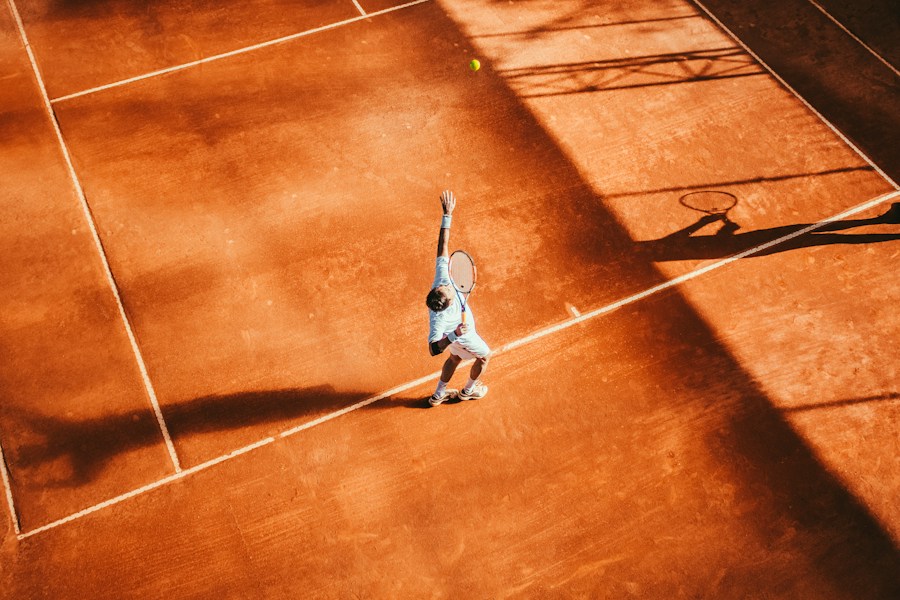
The Birth of a Pastime: Origins in Stone and String
The roots of tennis stretch back nearly a thousand years. In the 11th and 12th centuries, monks in French monasteries began playing a rudimentary handball game against cloister walls. Using their bare palms to strike a ball made of leather stuffed with hair or wool, they called the game jeu de paume - "game of the palm." Over generations, players grew tired of bruised and bleeding hands. By the 15th century, a wooden paddle was introduced, and soon after, a crude stringed implement resembling a modern racket emerged. The game had found its instrument.
By the 16th century, jeu de paume had exploded across Europe, particularly in France and England. It was played indoors in specially constructed courts with sloping walls and galleries. French royalty embraced it passionately - King Francis I built courts at the Louvre, and King Henry VIII of England, a fervent enthusiast, had a court constructed at Hampton Court Palace that still stands today. The term "tennis" itself likely derives from the Old French word tenez, meaning "hold," "receive," or "take heed" - a warning shouted by a player before serving, a tradition that endures in the modern service call. The sport was, for centuries, the pastime of aristocrats, played in elaborate indoor courts with complex rules involving chases and hazards. This original form, now called real tennis or court tennis, survives in only a handful of venues worldwide but remains the direct ancestor of the modern game.

Lawn Tennis is Born: Major Walter Wingfield's Box of Delights
The modern game of tennis was born in the Victorian era. In 1873, Major Walter Clopton Wingfield, a British Army officer, patented a portable game he called "Sphairistikè" - a Greek-derived name meaning "the art of playing ball." Wingfield's kit came in a box and included rubber balls, a net, posts, and rackets. It was designed to be played on a grass lawn and was shaped like an hourglass, wider at the baselines and narrower at the net. The name didn't stick, but "lawn tennis" certainly did.
The All England Croquet Club in Wimbledon, London, adopted the new game and held its first Lawn Tennis Championship in 1877. The event drew twenty-two competitors and about two hundred spectators. Spencer Gore won that first gentlemen's singles title and promptly declared that tennis would never catch on as a serious sport - a prediction that history has gleefully demolished. By the 1880s, lawn tennis had spread across the British Empire, to America, and throughout continental Europe. Women's singles were added to Wimbledon in 1884, with Maud Watson becoming the first champion. The sport was democratizing rapidly, escaping the aristocratic courts and finding homes in public parks and suburban gardens.

The Anatomy of the Game: Courts, Scoring, and the Language of Tennis
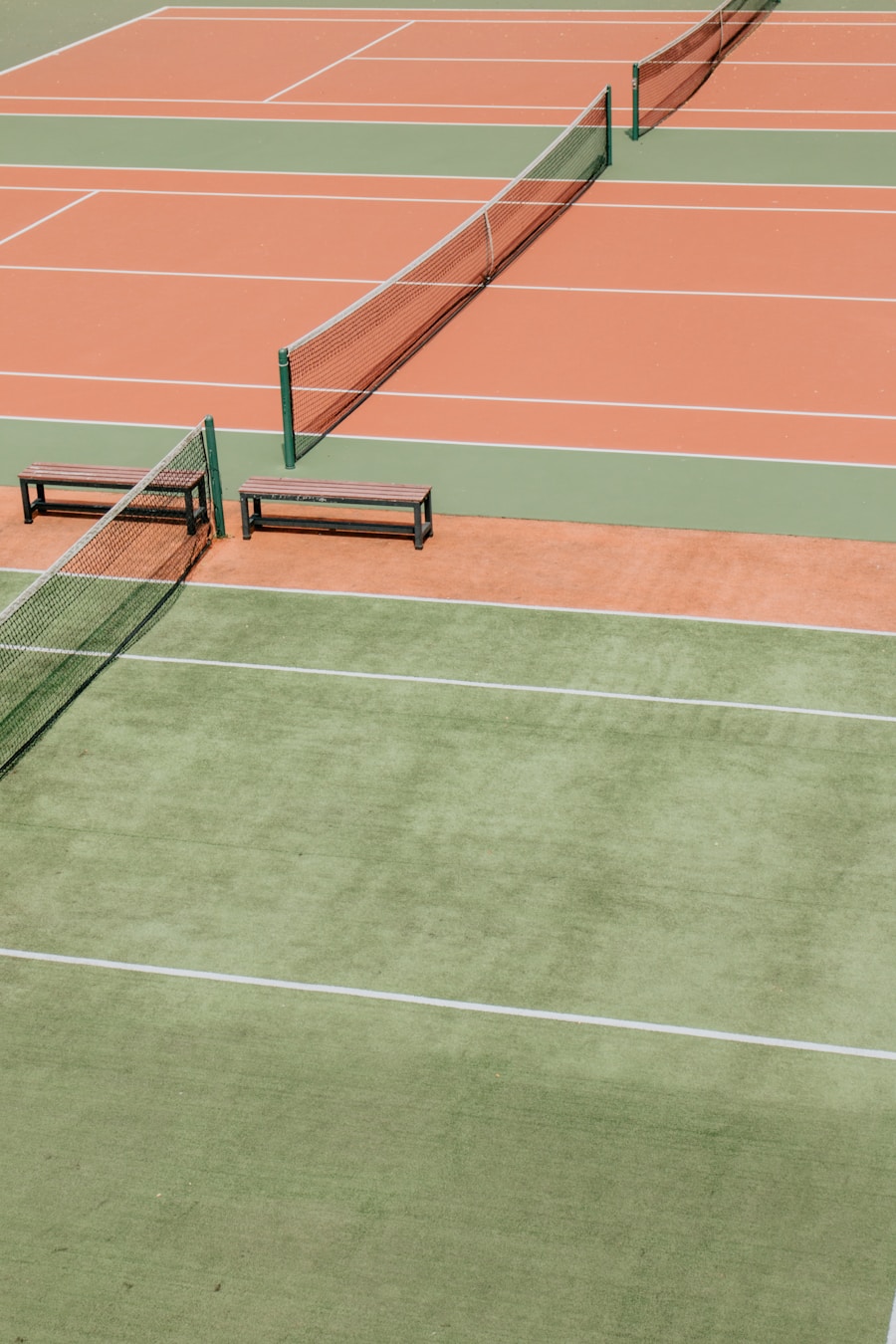
A tennis court is a rectangle exactly 78 feet long and 27 feet wide for singles matches, widening to 36 feet for doubles. A net divides the court into two halves, suspended at a height of 3 feet 6 inches at the posts and dipping to exactly 3 feet at the center. The surface beneath the players' feet can vary dramatically - grass, clay, hard court, carpet, or even wood - and each surface profoundly influences the speed, bounce, and character of the game.
The Scoring System: A Beautiful Enigma
The tennis scoring system is one of the most distinctive and perplexing in all of sport. A match is divided into points, games, sets, and, at the highest level, the match itself. Points within a game proceed from love (zero) to 15, 30, 40, and then game. When both players reach 40, the score is called "deuce," and a player must win two consecutive points - the first giving "advantage" and the second sealing the game. The origins of this system remain debated. The most popular theory holds that the 15-30-40 progression derives from the quarters of a clock face, with 45 eventually shortened to 40 for brevity. "Love" may come from the French word l'oeuf, meaning egg, which resembles a zero - though linguists continue to argue this point.
A set is won by the first player to win six games, provided they lead by at least two games. If the score reaches 5-5, a player must win 7-5. At 6-6, a tiebreak is typically played in most professional tennis, though some tournaments and the final set of certain Grand Slams have historically used an advantage set format, requiring a two-game lead indefinitely. The match is usually decided as best-of-three sets in women's tennis and best-of-five sets in men's Grand Slam events.
The Lines and Boundaries
Every inch of the court matters. The baseline runs parallel to the net at the far ends of the court. The service line runs parallel to the net at a distance of 21 feet on each side, marking the limit of the service boxes. The center service line divides the service boxes into left and right halves. The singles sidelines and doubles sidelines define the width of play. A ball that lands on any part of a line is considered in bounds - a rule that, with the advent of electronic line-calling systems like Hawk-Eye, has become one of the most precisely adjudicated in sport.
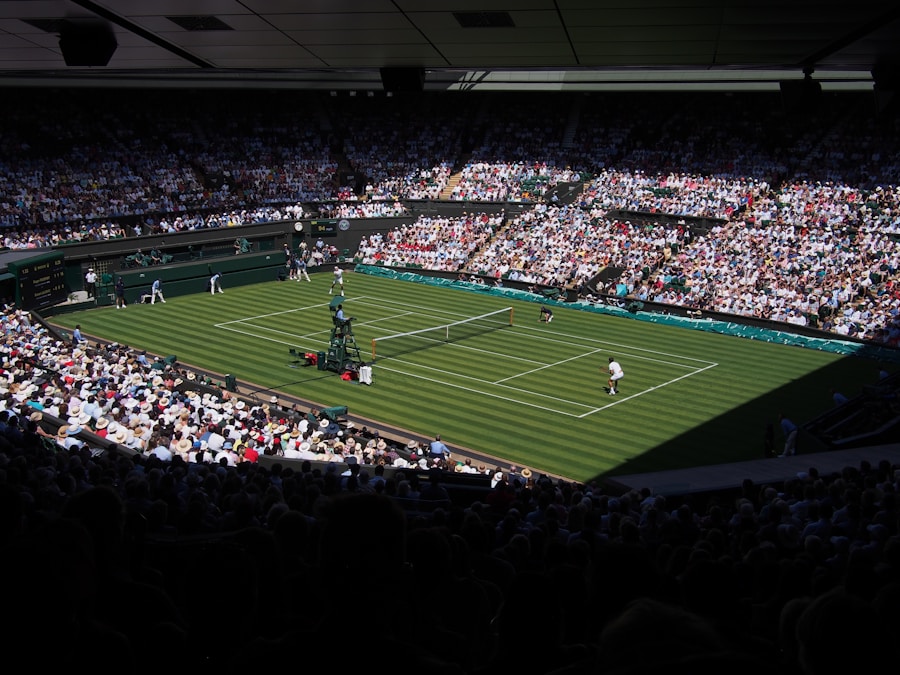
The Four Majors: Tennis's Grand Slam Cathedrals
The pinnacle of tennis achievement is the Grand Slam - winning all four major championships in a single calendar year. Only five players have ever accomplished this feat in singles: Don Budge (1938), Maureen Connolly (1953), Rod Laver (1962 and 1969), Margaret Court (1970), and Steffi Graf (1988). Graf's 1988 "Golden Slam," which included an Olympic gold medal, stands as perhaps the greatest single-season achievement in tennis history. Each of the four majors possesses a distinct personality, surface, and set of traditions that define the rhythm of the tennis calendar.
The Australian Open - Melbourne Park
Held in January, the Australian Open kicks off the Grand Slam season in the scorching summer heat of Melbourne. Played on blue Plexicushion hard courts - and more recently on GreenSet acrylic hard courts - the tournament is known for its intense physical demands, with temperatures sometimes exceeding 40 degrees Celsius (104 degrees Fahrenheit). Dubbed the "Happy Slam" for its relaxed, fan-friendly atmosphere, the Australian Open was once considered the least prestigious of the four majors but has risen dramatically in stature since moving to Melbourne Park in 1988. Its retractable roofs over three main courts ensure play continues through rain and extreme heat, and its night sessions produce some of the most dramatic tennis of the year.
Roland Garros - The French Open
Held in late May and early June in Paris, the French Open is the only Grand Slam played on clay. The distinctive terre battue - red brick dust spread over crushed limestone - produces a slow, high-bouncing surface that neutralizes big serves and rewards patience, topspin, and strategic point construction. The tournament is synonymous with the name Roland Garros, a pioneering French aviator from World War I after whom the stadium is named. Winning Roland Garros requires a unique blend of physical endurance and tactical mastery. Rafael Nadal's fourteen French Open titles - a record at any single Grand Slam event - represent one of the most extraordinary dominances in all of sports.
Wimbledon - The Championships
Wimbledon is the oldest and most prestigious tennis tournament in the world, held at the All England Club in London since 1877. It is the only major still played on grass, a surface that produces the fastest tennis, with low, skidding bounces that favor serve-and-volley play. Wimbledon is a pageant of tradition: players must wear predominantly white clothing, strawberries and cream are consumed by the ton, and the Royal Box hosts monarchs and celebrities. The tournament's strict dress code, absence of sponsor advertising around the courts, and ivy-covered walls create an atmosphere unlike any other sporting event. Winning Wimbledon is the dream of every tennis player - it is the sport's spiritual home.
The US Open - Flushing Meadows
The US Open, held in late August and early September in New York City, completes the Grand Slam calendar. Played on Deco Turf hard courts at the USTA Billie Jean King National Tennis Center, the tournament is renowned for its electric, often raucous atmosphere. Night sessions at Arthur Ashe Stadium, the largest tennis venue in the world with a capacity of 23,771, are legendary. The US Open was the first Grand Slam to introduce a tiebreak in the final set and the first to offer equal prize money to men and women, a milestone achieved in 1973 thanks in large part to the advocacy of Billie Jean King. It is a tournament of energy, diversity, and the relentless hum of New York City.
The Tools of the Trade: Rackets, Strings, Balls, and Gear
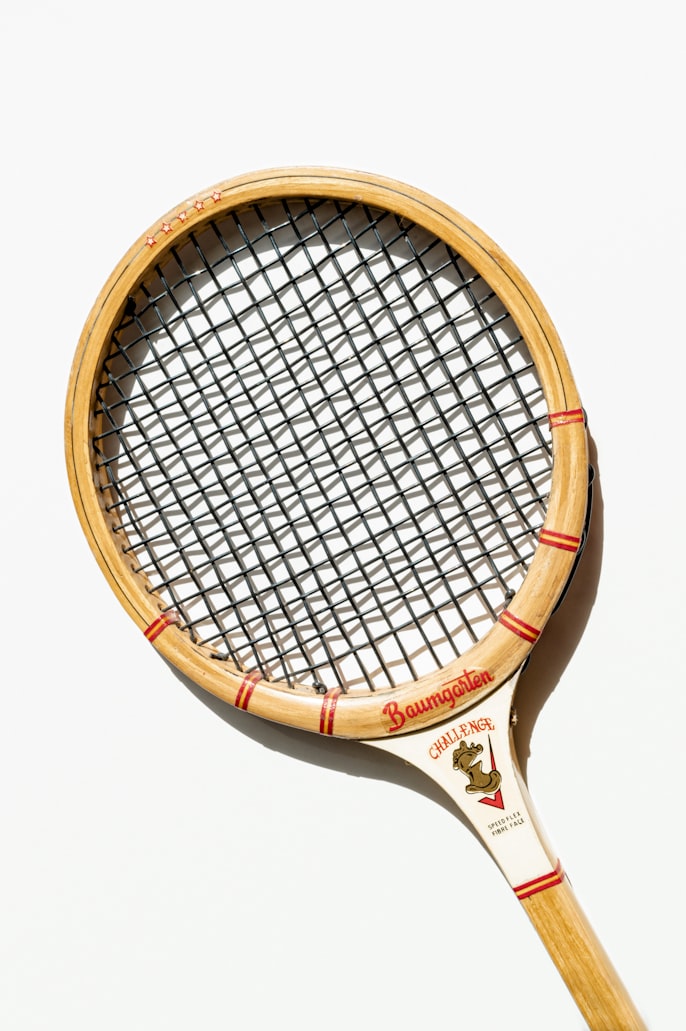
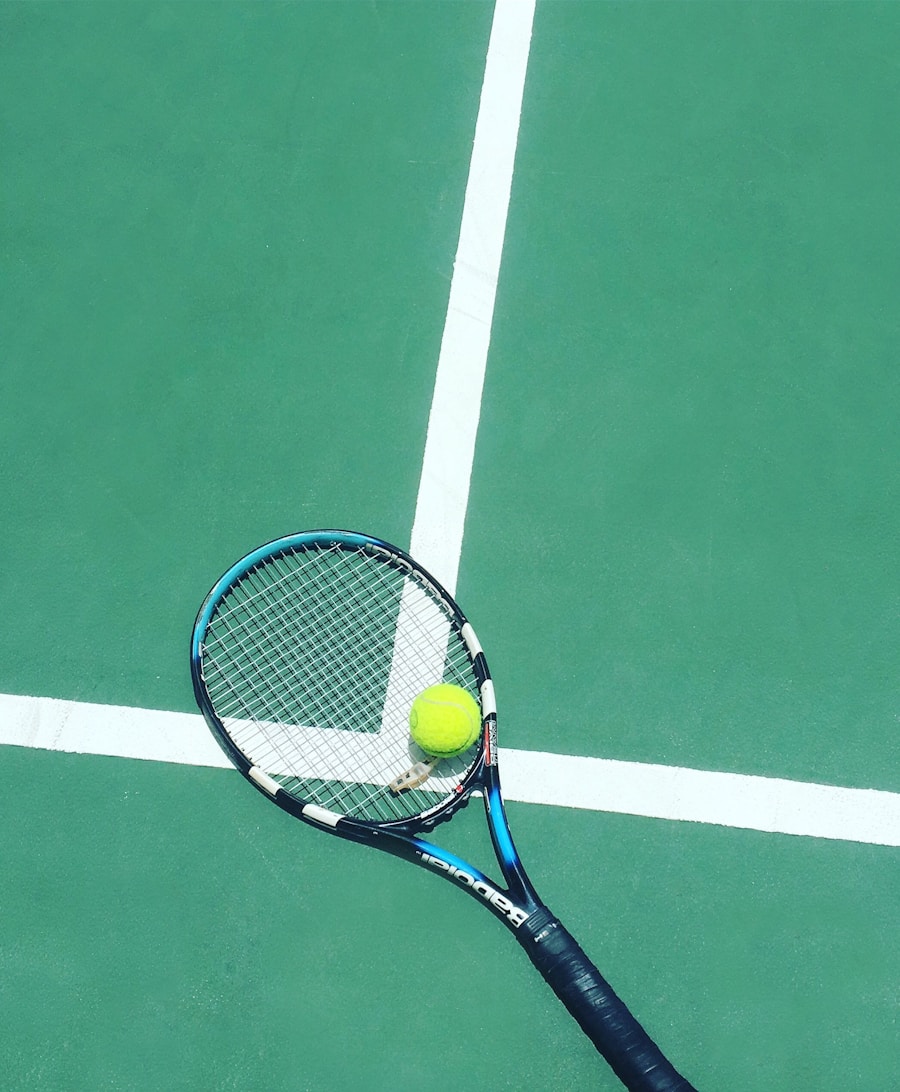
The equipment of tennis has undergone a technological revolution. Early lawn tennis rackets were made of solid wood - typically ash or beech - with natural gut strings stretched across a small head of roughly 65 square inches. These heavy, flexible frames demanded precision and touch. The game played with wooden rackets was slower, more tactical, and heavily reliant on finesse. The transition began in the 1960s with metal frames, but the true revolution came in the 1980s with the introduction of graphite composite rackets. Modern rackets boast head sizes exceeding 100 square inches, weigh between 280 and 340 grams, and utilize advanced materials like carbon fiber, Kevlar, and titanium. They are lighter, stiffer, and more powerful than their wooden ancestors, enabling the explosive baseline game that dominates professional tennis today.
Strings have evolved in parallel. While natural gut remains prized for its elasticity and feel, polyester strings - introduced in the 1990s - have transformed the game. Polyester strings are stiffer and generate enormous topspin, allowing players to strike the ball with incredible pace while keeping it within the court. The tennis ball itself is a marvel of engineering: a hollow rubber sphere pressurized to approximately 14 pounds per square inch, covered in a felt fabric that regulates aerodynamics and durability. The balls are optic yellow, a color adopted in 1972 after studies showed it was the most visible against the court surface and for television cameras. A professional match may use over sixty balls, with new balls introduced every seven to nine games to maintain consistent playing characteristics.
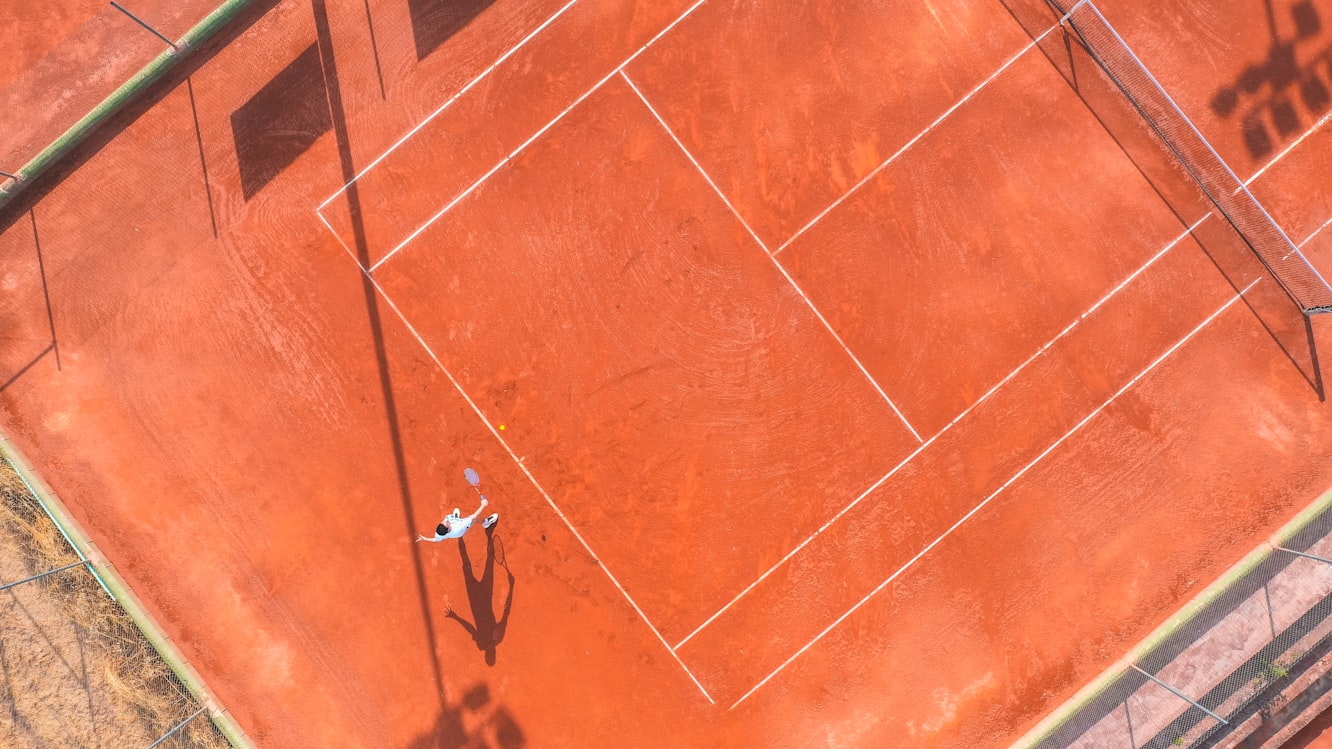
The Surfaces: How the Ground Beneath Shapes the Game
The surface on which tennis is played fundamentally alters every aspect of the sport. Grass courts, made of closely mown perennial ryegrass on a firm soil base, produce the fastest game. The ball skids and stays low, making powerful serves and quick net approaches lethal weapons. Grass rewards aggression and punishes defensive play. The season is brief - grass-court tennis exists almost exclusively within a six-week window culminating at Wimbledon - and maintaining a grass court is an art form requiring daily care and decades of expertise.
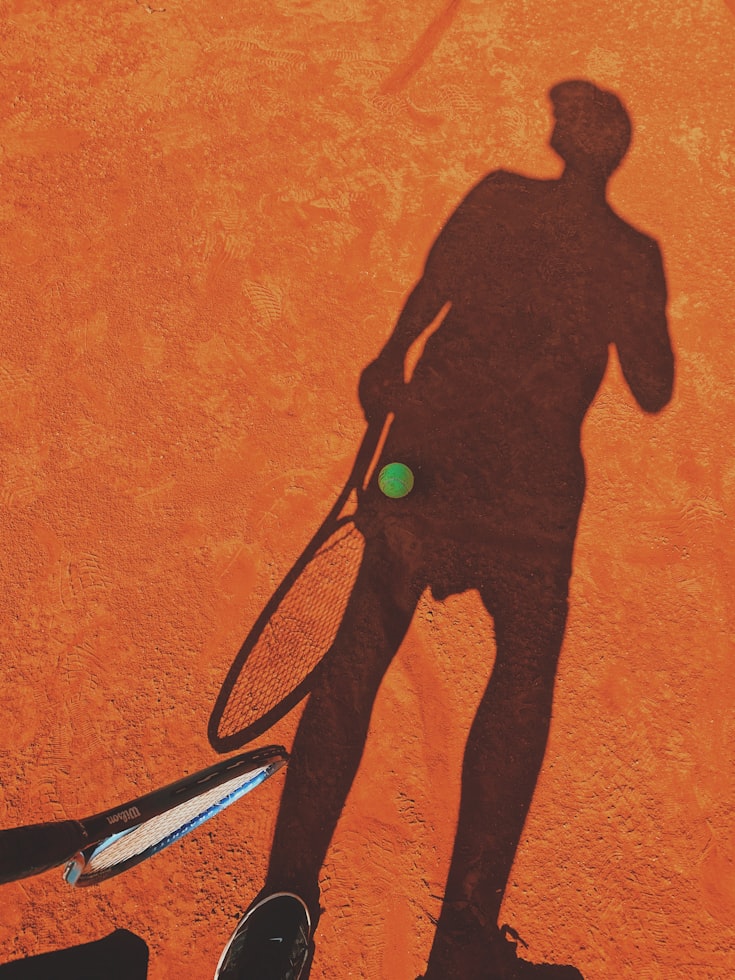
Clay courts, by contrast, slow the ball down and produce a high bounce. The crushed brick surface of European red clay allows players to slide into their shots, extending their reach and turning defense into offense. Points on clay are longer, rallies more grueling, and the mental demands more intense. Clay-court tennis is often described as a chess match played at a sprint. Hard courts, made of acrylic or polyurethane layers over an asphalt or concrete base, offer a middle ground - faster than clay but slower than grass, with a true, predictable bounce. They are the most common surface worldwide due to their durability and low maintenance. The US Open and Australian Open are both played on hard courts, though the specific compositions differ, leading to subtle variations in speed and bounce.
The Strokes: A Symphony of Biomechanics
Tennis is a sport of extraordinary technical complexity. Each stroke demands a precise coordination of footwork, body rotation, arm movement, and timing. The serve is the alpha stroke - the only shot over which a player has complete control. A modern serve is a kinetic chain that begins with the legs, transfers through the hips and trunk, and culminates in a whipping arm action that can propel the ball at speeds exceeding 140 miles per hour. The forehand, typically the dominant stroke for most players, uses a rotational movement of the body to generate pace and spin. Modern forehands employ a "semi-western" or "western" grip that allows players to brush up the back of the ball, creating the heavy topspin that arcs the ball high over the net before it dives sharply into the court.
The backhand is executed either with one hand or two. The two-handed backhand, popularized by players like Bjorn Borg and Chris Evert, offers greater stability and power for most players, while the one-handed backhand - wielded with artistic brilliance by Roger Federer and Stan Wawrinka - provides greater reach and the capacity for generating slice. The volley, a shot struck before the ball bounces, is the domain of the net player, requiring quick reflexes and soft hands. The lob, the drop shot, the overhead smash, and the half-volley complete the arsenal, each a specialized tool deployed at critical moments. Footwork is the silent foundation of every stroke - the split step, the crossover step, and the recovery step form a dance that separates the great from the good.
Legends of the Court: The Immortals of Tennis
The history of tennis is illuminated by a constellation of extraordinary figures. In the amateur era, players like Suzanne Lenglen - the French phenomenon who won Wimbledon six times in seven years and brought glamour and athleticism to women's tennis - and Bill Tilden, the American genius whose all-court mastery dominated the 1920s, established the sport as a major spectator attraction. The transition to the Open Era in 1968, when professionals were finally permitted to compete alongside amateurs in the major tournaments, ushered in a new age of competition and celebrity.
Rod Laver remains the only man to win the calendar-year Grand Slam twice, achieving the feat in 1962 as an amateur and again in 1969 as a professional. Margaret Court's twenty-four Grand Slam singles titles - a record that still stands - reflect a career of unmatched versatility across all surfaces. The 1970s and 1980s produced a golden generation: Bjorn Borg, the ice-cool Swede whose six French Open and five consecutive Wimbledon titles defined an era of baseline dominance; John McEnroe, the volatile New Yorker whose touch and artistry at the net were unparalleled; Chris Evert, the "Ice Maiden" whose relentless consistency yielded eighteen Grand Slam titles; and Martina Navratilova, whose serve-and-volley game and extraordinary fitness revolutionized women's tennis.
The modern era has been defined by an unprecedented concentration of greatness. Serena Williams, with twenty-three Grand Slam singles titles, dominated women's tennis across two decades with a combination of power, athleticism, and indomitable will that may never be equaled. Roger Federer, Novak Djokovic, and Rafael Nadal - the "Big Three" of men's tennis - have collectively won over sixty Grand Slam titles and elevated the sport to heights of technical brilliance and physical achievement previously unimaginable. Their rivalries - Federer-Nadal, Djokovic-Nadal, Federer-Djokovic - are among the greatest in all of sports. Each has staked a claim to the title of greatest of all time: Federer for his effortless elegance and eight Wimbledon crowns, Nadal for his clay-court supremacy and fourteen Roland Garros titles, and Djokovic for his all-surface mastery, record-breaking weeks at world number one, and the most Grand Slam titles in men's tennis history.
The Professional Circuit: Tours, Rankings, and the Business of Tennis
Professional tennis is governed primarily by two organizations: the Association of Tennis Professionals (ATP), which oversees the men's tour, and the Women's Tennis Association (WTA), which governs the women's game. Both tours operate on a points-based ranking system that determines seeding, tournament entry, and world number one status. Rankings are calculated based on a player's best results over the preceding fifty-two weeks, creating a rolling hierarchy that rewards consistency and peak performance at the biggest events.
The tennis calendar is a relentless global caravan. The season begins in Australia and New Zealand in January, moves through the Middle East, the American hard-court swing, the European clay season, the brief grass-court interlude, and the North American summer hard-court series, before culminating in the autumn indoor season and the year-end championships - the ATP Finals and WTA Finals. The Davis Cup and Billie Jean King Cup (formerly Fed Cup) provide team competitions that evoke national pride and produce some of the most emotionally charged tennis of the year. The sport's economics are substantial: top players earn tens of millions of dollars annually in prize money and endorsements, and the four Grand Slam tournaments collectively generate revenues approaching a billion dollars each year.
Tennis and the Olympics: A Triumphant Return
Tennis has had a complicated relationship with the Olympic Games. It was one of the original sports at the first modern Olympics in 1896, with John Pius Boland of Great Britain winning the first gold medal in men's singles. However, tennis was removed from the Olympic program after the 1924 Paris Games due to disputes over amateurism and professionalism. For sixty-four years, tennis was absent from the Olympics, returning as a full medal sport in Seoul in 1988. Since then, Olympic tennis has grown in prestige, and a gold medal is now considered one of the most coveted achievements in the sport. Steffi Graf's 1988 Golden Slam, Andre Agassi's emotional gold in 1996, and Andy Murray's back-to-back gold medals in 2012 and 2016 stand as defining moments. The Olympic tennis event brings together players who spend most of the year as fierce rivals and asks them to compete for national glory - a dynamic that produces unique drama and unforgettable stories.
The Mental Game: Solitude, Psychology, and the Inner Battle
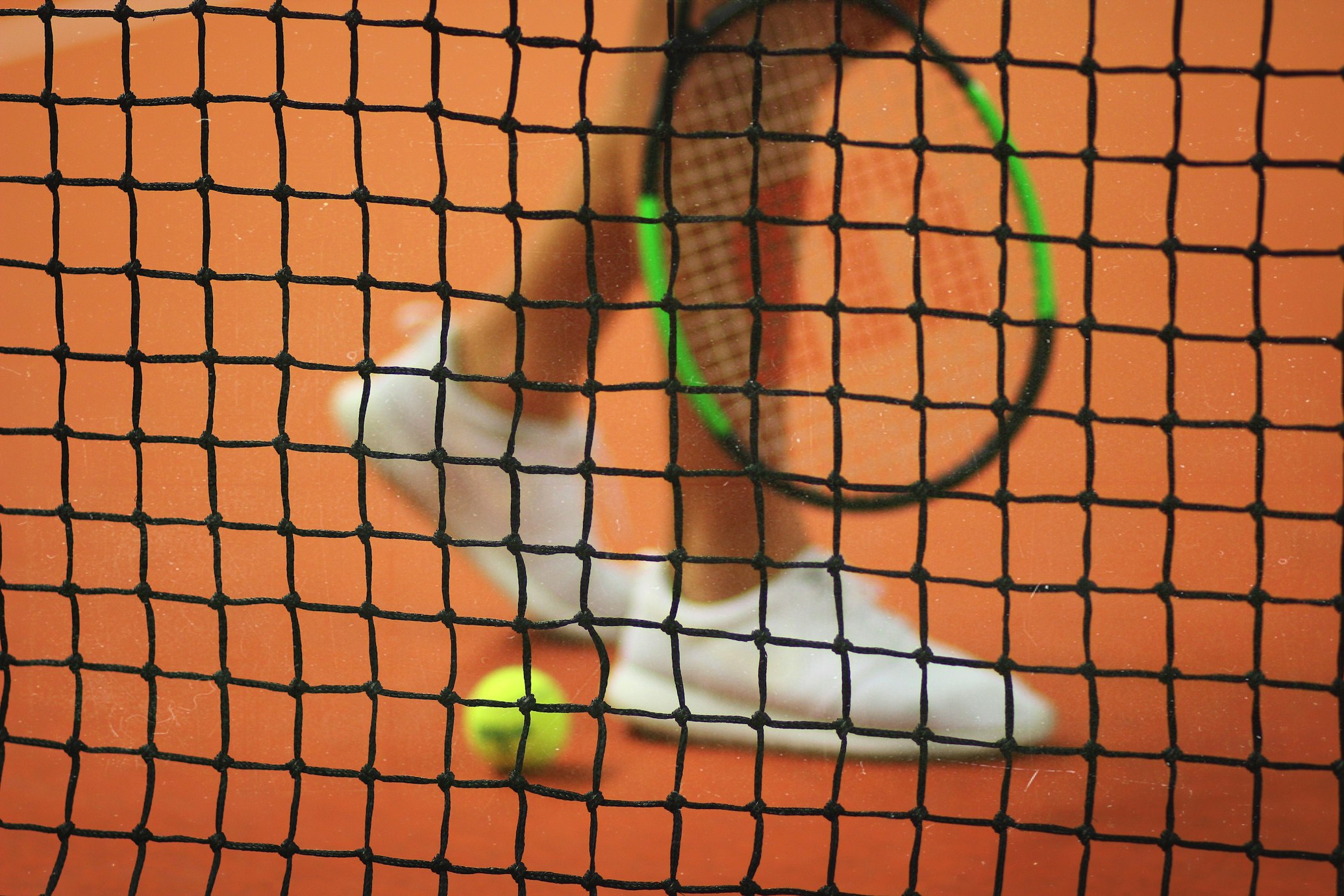
Tennis is unique among major sports for its prohibition of in-match coaching at most events. On the court, the player is utterly alone - no teammates, no coach whispering instructions, no timeouts to regroup (beyond the ninety-second changeover). This solitude makes tennis one of the most psychologically demanding sports in the world. A player must manage emotions, solve tactical problems, and maintain focus across matches that can last five hours or more. The scoring system compounds this pressure: a player can win more points than their opponent and still lose the match, a quirk that places a premium on performing at critical moments. Break points, set points, and match points are the crucibles in which tennis legacies are forged.
Sports psychology has become an integral part of elite tennis preparation. Visualization, breathing techniques, mindfulness, and routines between points are all deployed to manage the extraordinary stress of competition. The best players cultivate an ability to forget the previous point - whether won or lost - and focus entirely on the present. This "point-by-point" mentality is often cited as the defining characteristic of champions. The tennis court is a stage for human drama in its most concentrated form: triumph and despair, resilience and collapse, all unfolding within a rectangle of painted lines under the unblinking gaze of thousands.
The Future of Tennis: Technology, Inclusivity, and a Changing World
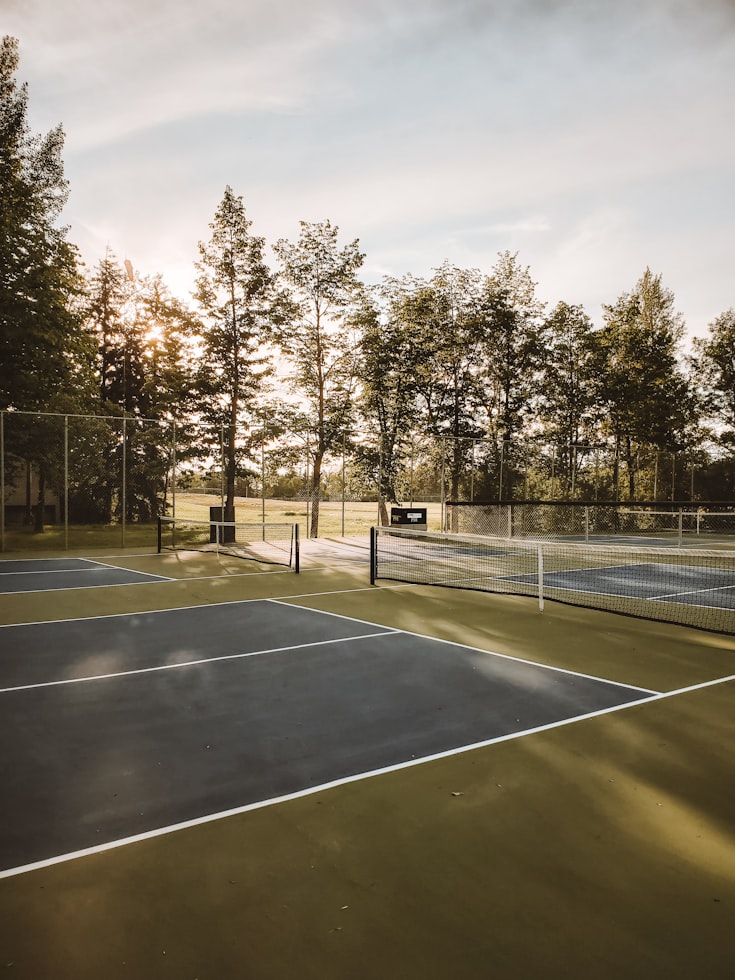
Tennis stands at a crossroads of tradition and innovation. Electronic line-calling technology, led by the Hawk-Eye system, has fundamentally altered the sport. At many tournaments, including the US Open and Australian Open, human line judges have been entirely replaced by automated systems that call lines with millimeter precision - eliminating arguments, gamesmanship, and human error. This shift, accelerated by the COVID-19 pandemic, represents the most significant officiating change in tennis history.
The sport is also grappling with questions of accessibility and inclusivity. Tennis has historically been perceived as an elite pursuit, and efforts to democratize the game through public courts, community programs, and affordable equipment are critical to its long-term health. Wheelchair tennis, pioneered by athletes like Esther Vergeer and Shingo Kunieda, has grown into a highly competitive and respected discipline, integrated into all four Grand Slam tournaments. The LGBTQ+ presence in tennis, embodied by champions like Billie Jean King, Martina Navratilova, and contemporary players who compete openly, has made the sport a leader in inclusion. The challenge for tennis in the decades ahead is to honor its rich traditions while embracing the changes that will make it a truly global sport for all - preserving the hush of Wimbledon's Centre Court while welcoming the noise and diversity of a planet that loves this game more than ever.