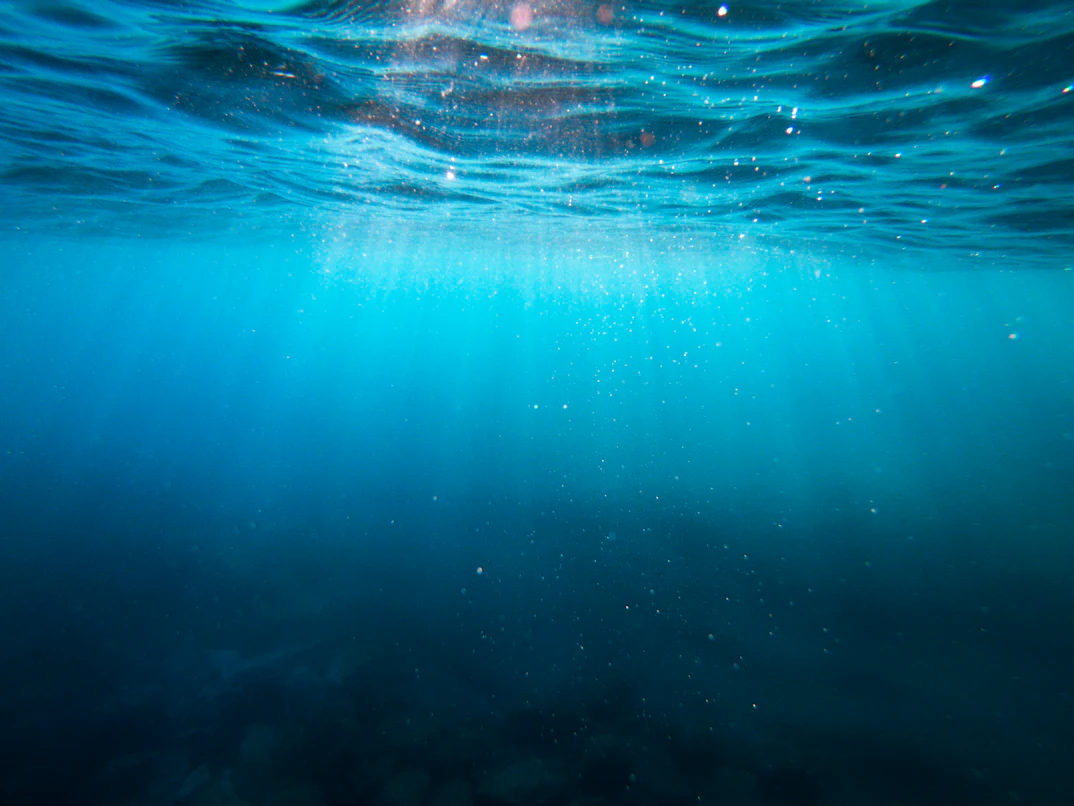
We know more about the surface of Mars than about 80% of our own ocean floor. The depth is calling.
Into the Abyss: The Ocean Is Spilling Its Darkest Secrets - Dark Oxygen, Walking Fish, and the 80% of Earth We’ve Never Seen
It begins with curiosity, a sharp, human ache that drives us to the edge of the known world. For generations we looked to the stars, but beneath our ships, only meters away, lay a universe far stranger, darker, and more alive than we ever imagined. Ocean exploration is not just a scientific endeavor; it is a journey into the planet's inner space, a realm of crushing pressures, eternal night, and life forms that defy every rule of biology. In the last decade, we have mapped the hidden seamounts, discovered “dark oxygen” coming not from sunlight but from rocks on the seafloor, and deployed fleets of artificial intelligence-powered robots that see where no human eyes have ever looked. And yet, more than eighty percent of the ocean remains unmapped, unexplored, and unseen. This is the complete, expanded, humanized account of how we got here, what we now know, and the breathtaking future that awaits us in the deep.
Ocean exploration is the systematic investigation of the global ocean - its physical, chemical, biological, geological, and archaeological dimensions. It matters for humanity because the ocean drives our climate, provides half the oxygen we breathe, feeds billions, and holds the history of our planet in its sediments. For science, the ocean is a living laboratory of extreme adaptation and planetary processes. For the planet, it is the great connector, circulating heat, carbon, and life. To neglect its exploration is to fly blind on a spaceship we only half understand.
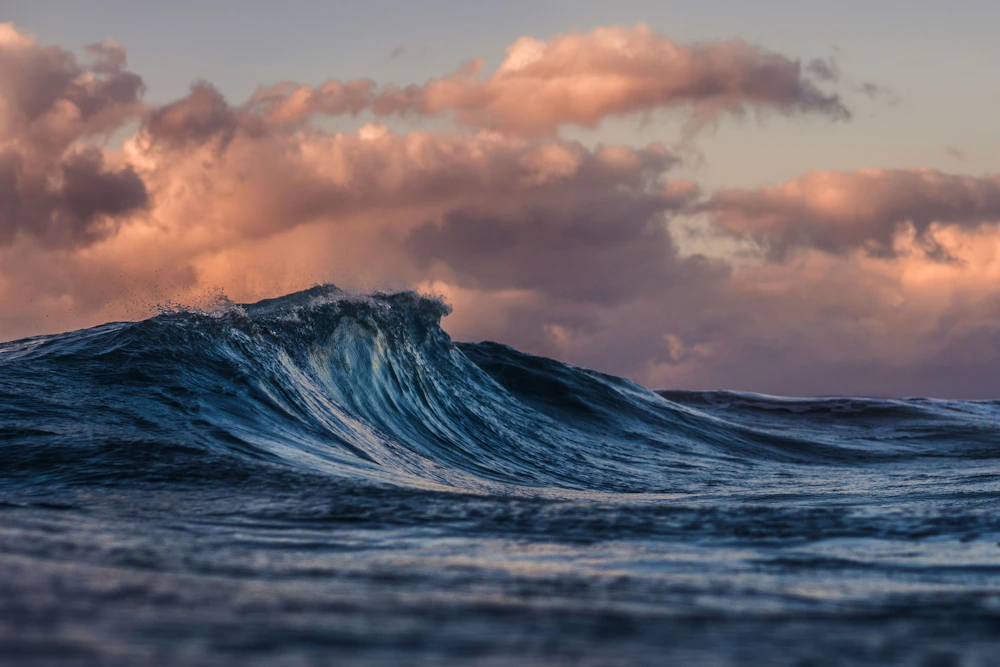
In the absence of natural light, we bring our own. Every beam reveals a landscape no human has seen before.
Part One: The Ancient Blueprint - Early Human Interaction with the Oceans
Humanity’s relationship with the sea is ancient, intimate, and driven by necessity. Long before written records, coastal communities waded into the shallows to gather shellfish, and the first seafarers pushed beyond the sight of land on rafts and dugout canoes. The earliest ocean explorations were not driven by science but by survival: finding new fishing grounds, escaping enemies, or following migrating herds across land bridges later submerged by rising seas. The peopling of Australia some 60,000 years ago, which required crossing open ocean even during lower sea levels, stands as the earliest testament to maritime capability.
By 3000 BCE, the great river civilizations of Mesopotamia, Egypt, and the Indus Valley turned to the sea for trade. The Egyptians built vessels that plied the Red Sea to the fabled land of Punt, returning with gold, ebony, and incense. But it was the Polynesians who achieved the most astonishing feat of ancient ocean exploration. Without compasses or maps, guided only by the stars, wave patterns, the flights of birds, and an intimate oral tradition, they settled islands spread across a third of the planet’s surface. The Polynesian navigators knew the ocean not as a barrier but as a web of currents and signs - a living library. They found tiny specks of land like Hawaii and Easter Island, and they did it centuries before any European sailed into the Pacific.
In the Mediterranean, the Phoenicians built a trading empire from the Levant to Iberia and beyond, famously circumnavigating Africa around 600 BCE on behalf of Pharaoh Necho II - a feat recorded by Herodotus with skepticism because they claimed the sun appeared on their right, in the north, which we now know is exactly what happens south of the equator. The Phoenicians were perhaps the first to exploit deep-water currents and seasonal winds systematically. Their knowledge was proprietary, guarded, and rarely written down, making them the original masters of ocean intelligence.
Ancient Greek thinkers like Pytheas explored the northern Atlantic in the 4th century BCE, reaching a place he called “Thule,” possibly Iceland or Norway, and observing the phenomenon of the midnight sun. His account was met with disbelief, but it planted the idea of a globe with frozen extremes. Eratosthenes accurately calculated the Earth’s circumference, and Ptolemy later compiled a world map that, while flawed, showed a grasp of the ocean’s global continuity. The Romans, though more terrestrial, nevertheless dominated the Mediterranean and wrote detailed sailing instructions, the “Periplus,” that included descriptions of monsoon winds across the Indian Ocean, which they harnessed for trade with India.
The Chinese, too, were early ocean explorers. Under the Song Dynasty (10th-13th centuries) they invented the magnetic compass and built massive junks that crisscrossed the South China Sea as far as East Africa. Admiral Zheng He’s treasure fleets in the early 1400s, with ships over 120 meters long, projected Chinese power across the Indian Ocean in voyages that predated the European Age of Exploration. Yet these expeditions were primarily diplomatic and commercial, not scientific; they drew maps but did not plumb the depths. Still, the stage was set. The ocean was no longer a dark void; it was a highway of possibility.
Part Two: The Age of Exploration and the Birth of Ocean Science
The European Age of Exploration, beginning in the 15th century, transformed the human perception of the ocean from a regional stage to a global one. Prince Henry the Navigator of Portugal sponsored expeditions that crept down the African coast, seeking a sea route to the riches of India. In 1492, Christopher Columbus, armed with Ptolemy’s underestimated globe and a fierce will, crossed the Atlantic and stumbled upon a new continent previously unknown to Europe. Vasco da Gama rounded the Cape of Good Hope in 1498 and reached Calicut. The Spanish-sponsored circumnavigation led by Ferdinand Magellan (completed by Juan Sebastián Elcano in 1522 after Magellan’s death) irrefutably proved the ocean’s global unity and its vastness, as well as the harrowing hardships of scurvy and starvation that came with long voyages.
These were ventures of conquest and trade, yet they began to gather systematic knowledge. Ships recorded depths with hand-lines, documented currents and prevailing winds, and charted coastlines with increasing precision. Captain James Cook’s three voyages in the late 18th century marked a turning point: he carried naturalists like Joseph Banks and Daniel Solander, collecting specimens, describing marine life, and mapping vast stretches of the Pacific with a scientific rigor that set a standard for naval expeditions. Cook took soundings, experimented with early chronometers to fix longitude, and even attempted to measure the temperature of the deep ocean using self-registering instruments. His was the first broad-scale, truly scientific ocean exploration.
The 19th century brought the formal birth of oceanography. The British Royal Navy organized the HMS Challenger expedition (1872-1876), a four-year voyage that covered 127,600 kilometers and took over 4,000 deep-sea soundings using steel wire and weights. The Challenger discovered the mid-Atlantic Ridge, gathered thousands of previously unknown marine species from the deep, and proved that life existed at all depths, shattering the then-prevalent “azoic theory” that the deep ocean was lifeless. The expedition’s 50-volume report laid the foundation for modern marine science. Subsequently, the Norwegian polar explorer Fridtjof Nansen deliberately froze his ship Fram into Arctic pack ice in 1893 to drift with the currents, proving the existence of a transpolar current and gathering invaluable data on ocean circulation and ice physics.
These historical milestones underscore a fundamental human trait: the drive to go beyond the horizon, to chart the uncharted. But the ocean’s surface was only the beginning. The real exploration - downward - was just starting.
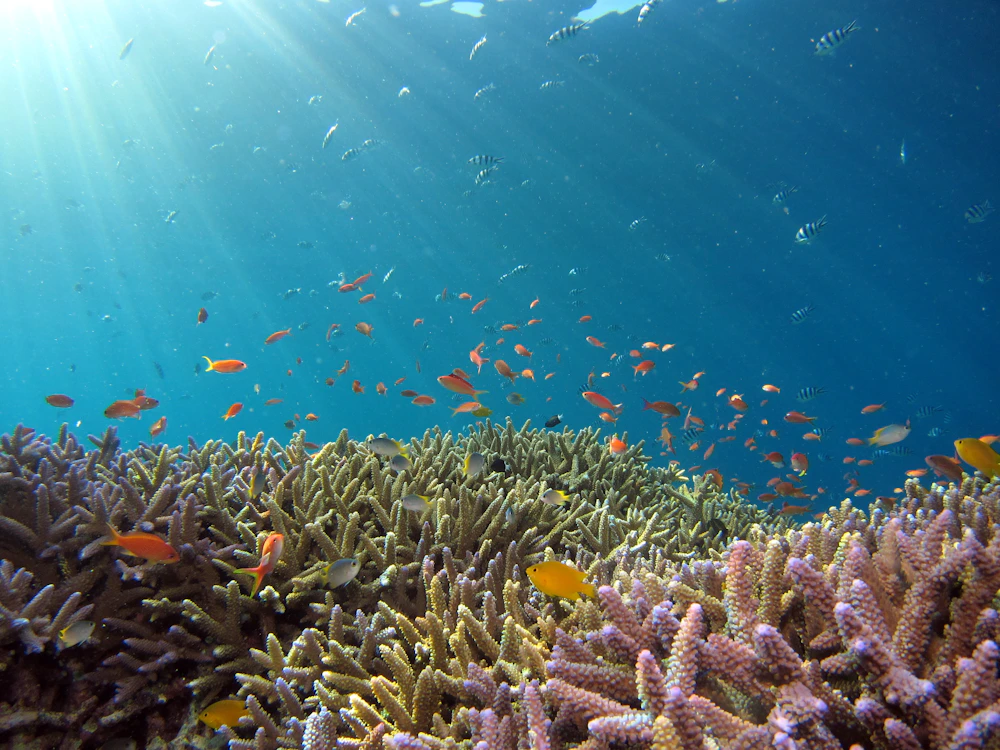
First came the maps of the surface, often decorated with sea serpents. The real serpents were waiting below.
Part Three: The Scientific Development of Oceanography
Oceanography evolved from an ancillary pursuit of explorers into a rigorous, interdisciplinary science. As the Challenger’s data were analyzed, scientists realized the ocean was not a uniform mass of saltwater but a dynamic, layered, and interconnected system. Matthew Fontaine Maury, an American naval officer, compiled ship logs into “The Physical Geography of the Sea” (1855), the first modern oceanographic text, which identified major ocean currents and wind belts and became a guide for sailors worldwide.
The discovery of the Gulf Stream as a distinct river of warm water flowing northeast across the Atlantic had profound implications for navigation and later for understanding climate. In the early 20th century, the Scandinavian physicist V. Walfrid Ekman mathematically described how wind drives surface currents at an angle, creating the Ekman spiral. German oceanographers developed the concept of “water masses” - distinct layers defined by temperature and salinity that move across ocean basins, tracing the global thermohaline circulation. This “conveyor belt” circulation was later mapped in detail by Wallace Broecker and others, linking the deep formation of cold water in the North Atlantic to the upwelling of nutrient-rich water in the Pacific and Indian Oceans, and cementing the ocean’s central role in regulating Earth’s climate.
Meanwhile, the geology of the ocean floor proved revolutionary. The theory of plate tectonics, which emerged in the 1960s, was validated by ocean exploration. Harry Hess proposed seafloor spreading: that new crust forms at mid-ocean ridges and spreads outward, sinking in deep-sea trenches. The discovery of magnetic striping parallel to mid-ocean ridges, and the dating of sediments from the Deep Sea Drilling Project, confirmed that the Atlantic was widening and the Pacific was shrinking. The ocean floor was not a static plain but a living, shifting piece of planetary machinery. Submarine canyons, seamounts, and abyssal hills were mapped, and hydrothermal vents - entire ecosystems powered not by the sun but by the Earth’s internal heat - were found in the late 1970s, overturning fundamental notions of the requirements for life.
Biological oceanography matured alongside. Marine biologists such as Charles Wyville Thompson and later the teams at Woods Hole Oceanographic Institution (WHOI) and Scripps Institution of Oceanography developed techniques for collecting plankton, tracking fish migrations, and shedding light on the complex food webs of the twilight zone. The use of sonar for fisheries monitoring and the deployment of deep-sea trawls revealed a menagerie of monstrous adaptations. The ocean was found to be vertically structured: sunlit euphotic zone, twilight mesopelagic, midnight bathypelagic, the abyssal plains, and the ultra-deep hadal trenches. Each layer harbored life finely tuned to pressure, darkness, and food scarcity.
Today, oceanography seamlessly combines physics, chemistry, geology, and biology. Satellite altimetry, beginning with the TOPEX/Poseidon mission and continuing with the Surface Water and Ocean Topography (SWOT) satellite launched in 2022, can measure subtle variations in sea surface height caused by underwater mountains and currents, revolutionizing our understanding of ocean dynamics. The Argo array of thousands of drifting profiling floats monitors temperature and salinity from the surface to 2,000 meters globally, providing real-time data on ocean warming. These developments turned oceanography from a science of occasional expeditions into a permanent planetary surveillance system.
Part Four: Technological Advancements - The Machines That Go Where We Cannot
The technological story of ocean exploration is one of relentless ingenuity against overwhelming conditions. The earliest soundings used hemp rope and cannonballs; today’s sonar systems can map the seafloor with millimetric precision from the surface. The first bathyspheres, like the iconic steel ball lowered by William Beebe and Otis Barton in the 1930s, gave humans their first glimpse of the deep-sea anglerfish and bioluminescent squids at depths of 3,000 feet. The bathyscaphe Trieste, designed by Auguste Piccard, took Don Walsh and Jacques Piccard to the bottom of the Challenger Deep in the Mariana Trench in 1960 - a depth of nearly 11 kilometers - proving that human engineering could reach the planet’s deepest point.
Submarines evolved from military necessities into scientific platforms. The nuclear submarine USS Nautilus, which transited the North Pole under ice in 1958, opened the Arctic Ocean to sustained exploration. The deep-submergence vehicle Alvin, operated by WHOI, has made over 5,000 dives since 1964 and was instrumental in the discovery of hydrothermal vents and the exploration of the Titanic. Modern human-occupied submersibles like the Deepsea Challenger (piloted solo by James Cameron to the Mariana Trench in 2012) and the Triton 36000/2 have pushed the envelope of full-ocean-depth capability for a few individuals.
But the real transformation came with uncrewed systems. Remotely operated vehicles (ROVs) tethered to a support ship transmit high-definition video and can collect samples with robotic arms, allowing scientists on the surface to conduct virtual dives in real time. The ROVs Jason (WHOI) and ROPOS (Canadian Scientific Submersible Facility) have become workhorses of deep-sea geology and archaeology. Autonomous underwater vehicles (AUVs), like the torpedo-shaped REMUS and the larger Sentry, are pre-programmed to survey vast areas without a tether, mapping the seafloor with multibeam sonar and measuring chemical properties. They can operate for days at a stretch, diving into trenches, under ice shelves, and into hazardous volcanic vents. In 2024, a novel AUV named LIMPET, designed to cling to vertical cliff faces, successfully mapped a previously unknown deep coral reef wall off Palau at 1,200 meters.
Sonar technology has advanced from simple echo sounders to high-resolution multibeam and side-scan systems that produce detailed 3D bathymetric maps. The General Bathymetric Chart of the Oceans (GEBCO) initiative, in partnership with the Nippon Foundation’s Seabed 2030 Project, aims to map the entire ocean floor by 2030 using these tools. Satellites like SWOT can now infer fine-scale seafloor topography from gravitational anomalies, giving complementary coverage where ship transits are sparse. Meanwhile, drifting profiling floats, gliders that harvest wave energy to propel themselves, and sophisticated buoys form a persistent observing network transmitting data via satellite in near real time.
A space-ocean comparison is often invoked: we have sent astronauts to the Moon, landed rovers on Mars, and peered into the early universe with telescopes, yet we have detailed maps of fewer than 20 percent of the ocean floor at a resolution that can resolve a small building. The technology exists, but the ocean’s sheer size, corrosive saltwater, crushing pressures, and inability to use radio or GPS below the surface make remote exploration exponentially more difficult than space exploration. The challenge is not just building machines; it’s powering and communicating with them under kilometers of black water. That is why every new robotic breakthrough is a quantum leap.
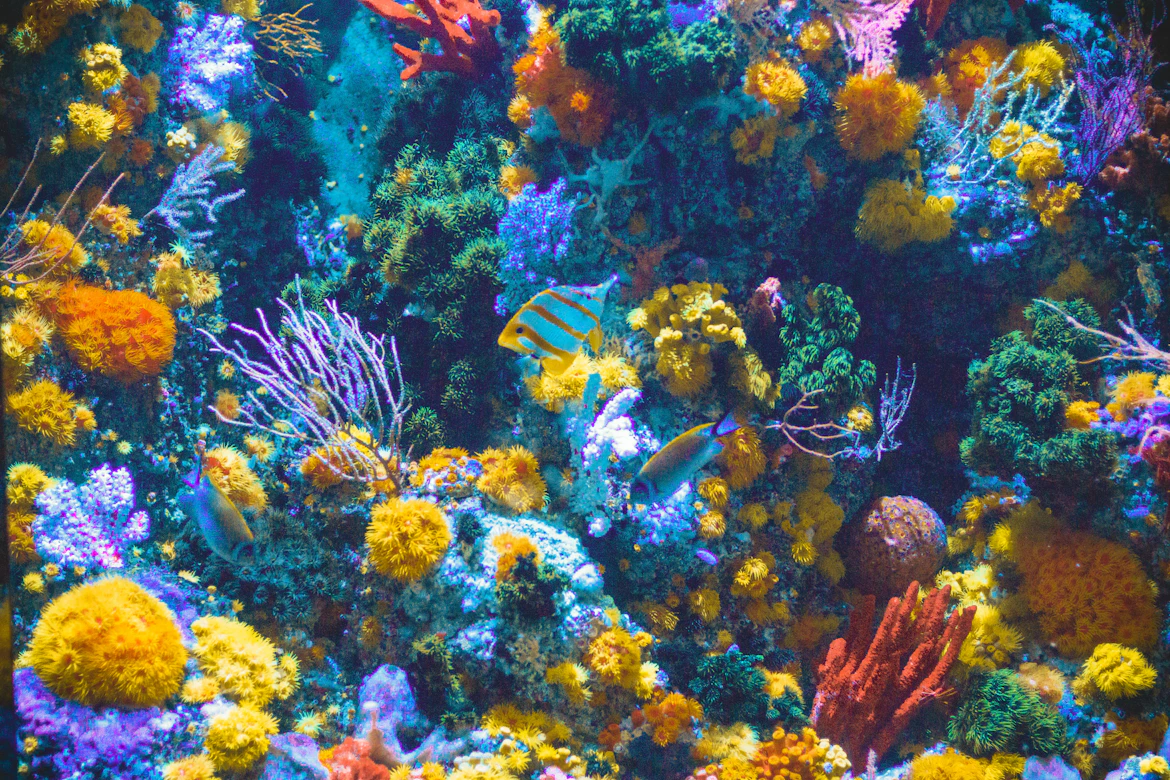
These modern explorers never sleep, never breathe, and can map a seamount while we sip coffee on a research ship.
Part Five: Major Expeditions and Milestones - The Deepest Dives and Greatest Revelations
Beyond the general march of technology, specific expeditions have captivated the world and rewritten textbooks. The Trieste’s 1960 dive to Challenger Deep stood unmatched for decades. That 20-minute stay at 10,916 meters on a silt bottom, observing a sole flatfish, confirmed that even the ultimate abyss was inhabited. In 1977, the Alvin’s discovery of hydrothermal vents at the Galápagos Rift upended biology: whole ecosystems based on chemosynthesis, fueled by hydrogen sulfide pouring from black smokers, with giant tube worms, blind shrimp, and bacteria that lived on chemical energy rather than sunlight. The implications for the origin of life on Earth and the possibility of life on ocean moons like Europa were staggering.
In 1985, a joint French-American expedition led by Robert Ballard located the wreck of the RMS Titanic at a depth of 3,800 meters, using the Argo imaging sled and the ROV Jason Jr. The images of the ghostly bow emerging from the darkness sparked a global fascination with deep-sea archaeology and demonstrated the maturity of robotic underwater search technology. Later, Ballard’s expedition discovered deep-sea brine pools in the Gulf of Mexico, dense with methane and salt, where curious organisms survived on the very edge of chemical toxicity.
James Cameron’s solo dive in the Deepsea Challenger in 2012 brought a filmmaker’s eye to the Mariana Trench. His mission collected samples of a gelatinous, previously unknown sea cucumber species and captured 3D video of the trench’s slope, revealing bizarre xenophyophores (giant single-celled organisms) and proving that the hadal zone is not a desert but a place of surprising diversity. The Five Deeps Expedition (2018-2019), funded by explorer Victor Vescovo, became the first manned mission to reach the deepest point of all five of the world’s oceans, including the previously unsurveyed Brownson Deep in the Puerto Rico Trench (Atlantic) and the Molloy Deep in the Arctic. Vescovo’s dives, in the submersible DSV Limiting Factor, recorded new species of amphipods and snailfish and discovered anthropogenic litter even at the deepest gash in the Earth.
Recent milestones include the discovery in 2024 of “dark oxygen” in the Clarion-Clipperton Zone of the Pacific Ocean. A study published in Nature Geoscience revealed that polymetallic nodules on the abyssal plain - potato-sized rocks rich in manganese, cobalt, and nickel - can generate oxygen through electrochemical reactions in complete darkness. This “dark oxygen” appears to support a previously unsuspected benthic ecosystem, with oxygen levels rising even at 4,000 meters depth. The finding has profound implications for deep-sea ecology and raises urgent questions about proposed deep-sea mining in the same zone. The discovery, led by Andrew Sweetman and his team, was hailed as a paradigm shift: in some parts of the deep ocean, oxygen may not rely on photosynthesis at all. It was a story that broke across international science news, giving the public a vivid reminder that the deep holds secrets with direct bearing on how we understand life’s limits.
Another major milestone: the 2023-2025 expedition aboard the Schmidt Ocean Institute’s research vessel Falkor (too), which used the ROV SuBastian to explore the seamounts of the Nazca Ridge off South America. The cruise discovered more than 160 new species, including a long-tentacled squid, a weird bioluminescent jellyfish that pulses like a Chinese lantern, and a spiny crab that builds sponges on its shell for camouflage. The astonishing biodiversity of these underwater mountains, which lie mostly in international waters, bolstered arguments for the High Seas Treaty signed in 2023 (BBNJ Agreement), designed to protect marine biological diversity beyond national jurisdiction.
Part Six: Ocean Ecosystems - The Web of Life in a Sunless World
The ocean’s ecosystems are vertically layered realms of extraordinary adaptation. In the sunlit epipelagic zone (0-200 m), phytoplankton harness solar energy, supporting the entire marine food web. Down through the mesopelagic twilight zone (200-1,000 m), life migrates daily on the largest animal migration on Earth: tiny lanternfish, krill, and squid ascend at dusk to feed under cover of darkness and sink before dawn. They form the “deep scattering layer” that perplexed World War II sonar operators. The bathypelagic midnight zone (1,000-4,000 m) is a realm of permanent night, crushing pressure, and frigid temperatures, where creatures deploy bioluminescence for lure, camouflage, and communication. Anglerfish dangle glowing bacterial lures; the dragonfish emits red light invisible to most prey, turning the abyss into a hunting ground of selective illumination.
The abyssal plains (4,000-6,000 m) cover half of the planet’s surface and were once thought barren. ROV surveys now show a landscape dotted with sea cucumbers, brittle stars, and xenophyophores the size of grapefruits. Whale falls - the carcasses of large cetaceans that sink to the bottom - create ephemeral ecosystems where scavenging sleeper sharks, hagfish, and bone-eating Osedax worms strip away organic matter over decades. Each carcass is a calorie bonanza in a food-poor desert.
Hydrothermal vents, discovered in 1977, are oases of life driven by geochemical energy. Black smokers spew superheated, mineral-laden fluids, precipitating sulfide chimneys that can grow meters tall. The vent communities include tube worms with red plumes that harbor symbiotic bacteria, vent mussels, and blind shrimp that swarm in toxic waters. Cold seeps, where methane and hydrogen sulfide leak from the seabed at ambient temperatures, support similar chemosynthetic life, including immense mussel beds and tubeworm bushes. In 2022, a study of a cold seep off Costa Rica described a new species of deep-sea octopus nicknamed “Dorado octopus”, which broods her eggs near warm seep fluid. These ecosystems show that life’s fundamental energy source need not be the sun; the Earth’s interior can power entire food chains.
Deep-sea coral and sponge gardens thrive on seamounts, exposed ridges, and canyons, some individuals living thousands of years. The black coral Leiopathes glaberrima, dated to over 4,000 years old, is among the oldest living animals. These slow-growing habitat-forming species are exceptionally vulnerable to bottom trawling and ocean acidification. In the deepest hadal trenches (below 6,000 m), life endures impossibly: snailfish with translucent skin, amphipods that produce aluminum hydroxide gel to prevent their exoskeletons from crushing, and giant foraminifera. The Mariana snailfish ( Pseudoliparis swirei), documented at 8,178 meters, is a pinkish, tadpole-like creature that holds the record for the deepest known fish.
Scientists estimate that more than 90% of marine species remain undiscovered. The Census of Marine Life, a decade-long global initiative completed in 2010, cataloged over 200,000 species and projected that the true number could be between 700,000 and several million. Every new expedition to a remote seamount or hadal trench turns up dozens of species new to science. This untapped biological reservoir contains genetic and biochemical novelties with potential applications in medicine, from anti-tumor compounds found in sponges to enzymes from vent microbes that can be used in industrial processes. Yet we are destroying ecosystems before we even know them.
Deep-sea corals are living archives, some older than the pyramids. They flourish where no sunlight ever reaches.
Part Seven: Economic and Strategic Importance - The Blue Economy and the Race for Seabed Riches
The ocean has always been an arena of commerce and conflict, but today its economic and strategic importance is intensifying at staggering speed. Over 90% of global trade by volume travels by sea, through chokepoints like the Strait of Malacca, the Suez Canal, and the Strait of Hormuz. Shipping lanes are the planet’s circulatory system, and disruptions have immediate global repercussions, as the world saw with the 2021 Suez Canal blockage.
Offshore oil and gas extraction accounts for roughly 30% of global production, with increasingly deeper drilling pushing into ultra-deep water. The 2010 Deepwater Horizon disaster demonstrated the severe risks of such operations. Beyond hydrocarbons, the seafloor holds vast mineral wealth: polymetallic nodules, cobalt-rich ferromanganese crusts on seamounts, and massive sulfides at hydrothermal vents. These contain manganese, nickel, copper, cobalt, and rare earth elements critical for batteries, wind turbines, and electronics. The International Seabed Authority (ISA), established under the UN Convention on the Law of the Sea (UNCLOS), regulates mineral-related activities in the international seabed “Area,” but negotiations over exploitation regulations have been fraught. Environmental organizations warn that mining would irreversibly destroy fragile abyssal ecosystems, and the recent dark oxygen discovery has strengthened arguments for a moratorium. As of early 2026, a growing coalition of nations and the European Parliament have called for a precautionary pause on deep-sea mining, citing insufficient scientific knowledge.
Fisheries provide the primary protein for over 3 billion people, but they are under immense pressure. Industrial fleets, often subsidized, have depleted some of the richest fishing grounds. The UN Food and Agriculture Organization reports that over a third of global fish stocks are overexploited, and illegal, unreported, and unregulated (IUU) fishing costs billions annually. Deep-sea trawling scrapes the seafloor, obliterating centuries-old corals and sponge fields. Marine aquaculture is expanding rapidly, but it brings its own ecological challenges. The ocean’s living resources are being drawn down faster than they can replenish, a classic tragedy of the commons that needs urgent international governance reform. Marine Protected Areas (MPAs) have grown in extent, with the High Seas Treaty enabling their creation in international waters, but only a fraction are fully protected from extraction.
Strategic competition is moving into the deep. Submarine cables carry over 95% of international data, and their vulnerability to espionage and sabotage is a growing concern for national security. Arctic sea routes, opening due to climate change, are transforming geopolitics. Nations are extending their claims to continental shelf limits beyond 200 nautical miles, spurred by mapping efforts that reveal underwater extensions rich in potential resources. The ocean, once a free common, is becoming partitioned, and knowledge - ocean data - is the new currency of influence. In 2025, a new international partnership led by the United States, Norway, and Japan launched the “Ocean Observation and Intelligence Initiative,” pooling satellite and AUV data to monitor illegal fishing, detect submarine movements, and assess climate impacts in real time, underscoring the dual-use nature of oceanographic technology.
Part Eight: Environmental Challenges - The Ocean in Peril
The ocean, which has buffered humanity from the worst of climate change by absorbing over 90% of the excess heat and about 30% of the carbon dioxide from human emissions, is now in profound distress. Ocean warming has accelerated; the last decade was the warmest on record for the upper ocean, and marine heatwaves are becoming more frequent and devastating. They bleach coral reefs, displace fish stocks, and exacerbate harmful algal blooms. The Great Barrier Reef has experienced five mass bleaching events since 2016, with the 2024 event affecting over 70% of surveyed reefs. Coral reefs, which support a quarter of all marine species, face potential collapse under current warming trajectories, with apocalyptic consequences for coastal protection, fisheries, and tourism.
Ocean acidification, a direct result of higher atmospheric CO₂, reduces the availability of carbonate ions, impairing the ability of calcifying organisms - pteropods, corals, oysters, and some phytoplankton - to build their shells and skeletons. The pH of the surface ocean has already decreased by 0.1 since pre-industrial times, which represents a 30% increase in acidity. In upwelling regions like the California Current system, waters corrosive to aragonite are already surfacing, threatening the base of marine food webs. The combined stress of warming and acidification creates a multi-pronged assault that is altering marine ecosystems faster than many species can adapt.
Pollution pervades every depth. An estimated 11 million metric tons of plastic enter the ocean each year, and microplastics have been found in the deepest trenches, in Arctic ice, and inside countless marine organisms. The Great Pacific Garbage Patch, a swirling gyre of mostly microplastics, is just the most visible symbol of a crisis that affects the entire water column. Oil spills, while impactful, are now overshadowed by the continuous release of industrial and agricultural chemicals, nutrient runoff that fuels oxygen-depleted dead zones, and noise pollution from shipping and seismic surveys that disrupts the communication and navigation of whales and dolphins. A 2023 study showed that even hadal amphipods from the Mariana Trench contained microplastic fibers, a sign that the ocean’s ultimate sink is our refuse bin.
Overfishing and destructive fishing practices are unraveling food webs. The removal of top predators like sharks and tuna cascades down the ecosystem. Bycatch - the unintended capture of dolphins, sea turtles, and seabirds - kills millions annually. And bottom trawling, like clear-cutting a forest, destroys complex seafloor habitats that may take centuries to recover. The expansion of fishing into deeper waters means we are harvesting species that grow slowly, mature late, and are extremely vulnerable to depletion, such as the orange roughy and the roundnose grenadier. A 2025 report from the High Level Panel on a Sustainable Ocean Economy warned that without transformative change, seafood productivity could decline by over 30% by 2100 due to the cumulative effects of these stressors.
The ocean is both victim and potential solution. “Blue carbon” ecosystems like mangroves, salt marshes, and seagrass meadows store carbon up to 50 times more efficiently than tropical forests, and their restoration is now a global priority. Ocean alkalinity enhancement and other geoengineering proposals are being debated, but they carry unknown ecological risks. What is certain is that we cannot continue to use the ocean as a dumping ground and a limitless larder.
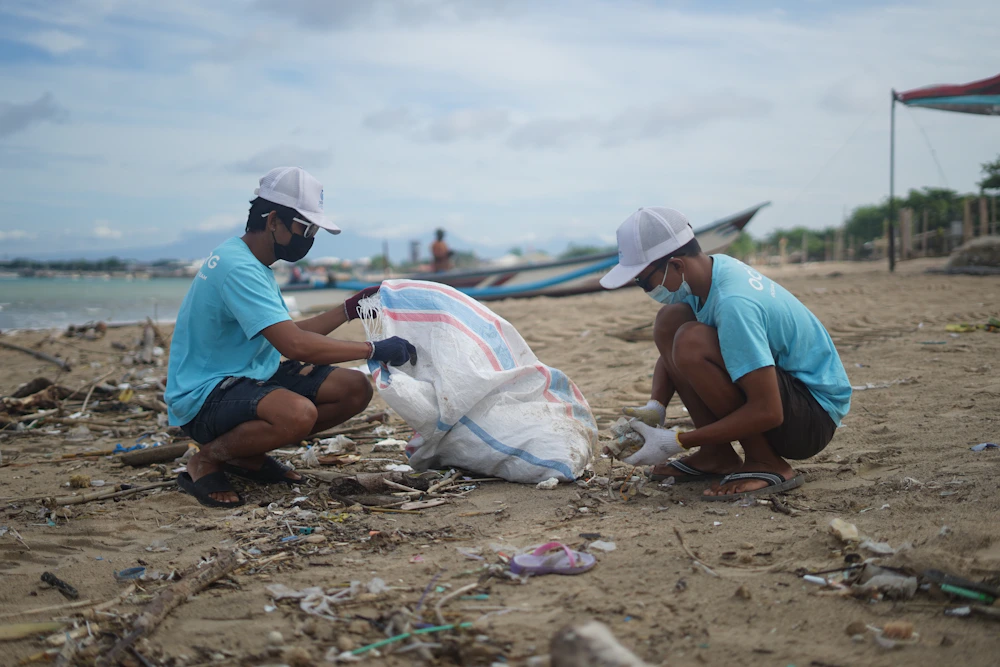
Even the most remote blue wilderness now carries the mark of human indifference.
Part Nine: Modern Ocean Exploration - AI, Big Data, and Global Collaboration
Modern ocean exploration is no longer the province of a few ships and submersibles. It has become a globally networked, data-rich enterprise powered by artificial intelligence, cloud computing, and a new spirit of cooperation. The Schmidt Ocean Institute’s R/V Falkor (too) makes its ROV dives publicly available in real time via livestream, inviting citizen scientists to help identify species and features. NOAA’s Okeanos Explorer similarly broadcasts its dives, democratizing deep-sea discovery. The Ocean Exploration Cooperative Institute, combining multiple US universities and institutions, is developing new sensor suites that combine acoustic, optical, and genetic sampling on a single AUV platform.
Artificial intelligence has become a game-changer. Deep learning algorithms are trained to automatically detect and classify marine organisms in ROV video, a task that once required hundreds of human hours per dive. Open-source tools like FathomNet accelerate species identification and anomaly detection, flagging potentially new organisms in real time. AI is also being used to process the massive datasets from multibeam sonar, identifying seamounts, shipwrecks, and gas seeps with superhuman efficiency. In 2025, a collaborative project between the Monterey Bay Aquarium Research Institute (MBARI) and Google deployed AI on underwater cameras to filter out “noise” detections and alert scientists only when interesting events occurred, like a rare deep-sea squid passing by. Big data platforms such as the UN’s Ocean Data Platform are aggregating historical and real-time data from thousands of sources, enabling predictive models for fish stock movements, coral bleaching events, and the tracking of illegal vessels.
Genetic and genomic technologies have opened a new window. Environmental DNA (eDNA) sampling - filtering water for traces of shed skin, mucus, or feces - can now detect dozens of species from a single liter of seawater, offering a non-invasive census of biodiversity. During the 2024 Antarctic Circumnavigation Expedition, eDNA sampling from the vessel’s underway seawater system revealed the presence of marine mammal species that had never been visually recorded in those regions. Metagenomics allows scientists to explore the genetic potential of deep-sea microbes, which may hold novel enzymes for bioplastics degradation or new antibiotics. The European-funded TREC (Traversing European Coastlines) expedition used mobile labs to sample eDNA along coastlines in real time, creating a baseline for future change.
Citizen science has scaled up. Programs like “Ocean Eyes” engage recreational sailors to collect data on water clarity, temperature, and plankton using low-cost kits. Meanwhile, mapping is accelerating: Seabed 2030 has increased the mapped area from 15% to over 24% in just a few years, thanks to crowdsourcing data from ships of opportunity, including commercial vessels and private yachts equipped with low-cost sonar. Yet challenges remain: the Southern Ocean and the deep Pacific trenches are still largely blank on the map. GEBCO’s new digital atlas integrates countless individual transects into a seamless web-accessible rendering of the ocean floor, already revealing thousands of previously unknown seamounts.
International collaboration is key. The United Nations Decade of Ocean Science for Sustainable Development (2021-2030) has galvanized hundreds of projects, from deep-ocean observing systems to community-led marine spatial planning. The Ocean Decade’s “Challenger 150” program specifically targets deep-sea biological characterization, aiming to address the massive knowledge gaps before mining and climate impacts accelerate.
Part Ten: Recent News and Discoveries (2024-2026) - The Deep Sea Is Giving Up Its Secrets
The last two years have been remarkable for ocean exploration, with an almost weekly stream of headline-grabbing discoveries. In mid-2024, the “dark oxygen” revelation from the Clarion-Clipperton Zone electrified both the scientific community and the mining industry. Experiments showed that polymetallic nodules could generate enough electrical potential to split water into oxygen and hydrogen. The discovery was made accidentally when scientists thought their sensors were malfunctioning, only to find that the nodules were acting like natural batteries. The finding is now prompting a major revision of abyssal ecology models and has been cited by nations calling for a halt on seabed mining until the full implications are understood.
In late 2024, a Schmidt Ocean Institute expedition to the submerged mountains of the Southeastern Pacific uncovered a new species of “walking” fish - a pinkish sea toad ( Chaunacops) that uses its modified pectoral fins to scuttle across the seabed - and a marine sponge that glows faintly blue when disturbed. The team also found a previously unknown deep-sea coral reef system over 1,500 km long off the coast of Chile, thriving in near-freezing waters, at depths of 600 to 1,200 meters. Dubbed the “Altiplano Reef” after its proximity to the Andes, it is one of the largest cold-water coral provinces ever found and hosts giant gorgonian fans, glass sponges, and endangered commercially important fish species. The Chilean government immediately designated it a marine protected area.
The OceanXplorer, the iconic research vessel of the Dalio family’s OceanX, live-streamed a 2025 expedition to the Seychelles Banks, where a submersible dive at 500 meters revealed a spectacular bioluminescent display: a hunting squid shooting out jets of glowing mucus, and a shifting cloud of deep-sea jellyfish trailing sparkling tentacles. The live stream attracted millions of viewers, showing the power of media to connect the public to deep-sea science. OceanX also launched a youth program “Young Explorers” training the next generation of marine communicators.
On the technological front, the Japanese research vessel Kaimei deployed a new AUV that successfully drilled 10 meters into the methane hydrate layers below the seafloor of the Nankai Trough, recovering intact pressurized samples that could reveal clues about early Earth and even energy prospects. In Norway, a consortium including Equinor tested the world’s first autonomous, unmanned seismic survey vessel, the Fugro Pioneer, which can map sub-seafloor geology in extreme waves, reducing risk and carbon footprint. And the US Navy’s DARPA Manta Ray program unveiled a giant bio-inspired underwater drone that can glide for months by harvesting wave and thermal energy, promising persistent surveillance but also opening possibilities for scientific monitoring of remote ocean basins.
In early 2026, scientists from the National Geographic Pristine Seas project reported the discovery of a new species of “gelatinous predator” - a salp-like creature the size of a soccer ball - in the waters off Antarctica’s Dotson Ice Shelf. The organism filters water and collects particles using a mucus net, but its most shocking feature is the ability to survive in supercooled, oxygen-depleted water beneath the ice shelf, a habitat previously thought only bacteria could inhabit. The finding strengthens the argument that ice-covered oceans on moons like Europa could indeed harbor complex life. These recent breakthroughs underscore a fundamental truth: the ocean is still yielding its most profound secrets, and we are in a golden age of discovery.
Polymetallic nodules - once just curiosities - are now recognized as generators of dark oxygen, rewriting deep-ocean science.
Part Eleven: The Unexplored Ocean - How Much Remains Unknown?
Despite all the progress, the uncomfortable truth is that the ocean remains overwhelmingly unexplored. The often-cited statistic that only 5% to 20% of the global seafloor has been mapped with modern multibeam sonar at a resolution of at least 100 meters is still approximately correct as of 2026, though the percentage is steadily rising. When we ask “how much of the ocean is unexplored,” we mean biological, chemical, and geological exploration - direct observation or sampling - which is even more miniscule. The vast majority of marine species are undescribed; one study estimated that describing all remaining species at current rates could take centuries. No one has yet systematically sampled the water column below 6,000 meters in most trenches, nor circumnavigated the vast mid-ocean ridge system that winds for 65,000 km around the globe.
The ice-covered Arctic Ocean and the under-ice cavities of Antarctica represent another frontier. In 2022, an international team drilled through the Filchner-Ronne Ice Shelf to sample the 900-meter-deep seawater cavity below and found a thriving community of filter-feeding sponges and barnacles in complete darkness, defying expectations of what an ice-sealed ecosystem could support. The newly discovered “Dotson Ice Shelf predator” mentioned above only reinforces how little we know about these sub-ice worlds. Similarly, the deep Southern Ocean, with its winter hurricane-force winds, remains largely unvisited by research vessels during winter months, leaving a seasonal blind spot in global ocean observations.
There are mysteries that persist despite decades of speculation. The “Bloop,” a powerful ultra-low-frequency underwater sound recorded by the NOAA’s hydrophones in 1997, was eventually attributed to an icequake, but many acoustic anomalies remain unexplained. The ocean’s “brine pools” - underwater lakes of super-salty water - create their own shores and waves, and host microbial ecosystems that mimic those of early Earth. The deep ocean also conceals geological oddities like the recently discovered underwater “Grand Canyon” off the coast of Antarctica’s Mertz Glacier, carved by subglacial meltwater, and the mysterious pockmarks and carbonate mounds on the seafloor that may be linked to methane release and past climate shifts.
Perhaps the greatest unknown is the deep biosphere - the microbial life within the sediments and rocks of the seafloor itself. The International Ocean Discovery Program (IODP) and its predecessor programs have drilled into the oceanic crust and found living bacteria kilometers below the seabed, surviving on hydrogen and other chemicals, with metabolisms so slow they may live for thousands to millions of years. These subsurface communities could represent a significant fraction of Earth’s total biomass, yet we have barely sampled them. They may hold the keys to the origins of life, and their response to seafloor warming could influence global carbon cycles.
These unknowns are not just gaps on a map; they are potential sources of new knowledge that could transform medicine, materials science, and our understanding of life’s resilience. The deep sea is Earth’s library of extremes, and we have read only the first few pages.
Every shadow in the deep ocean is an unwritten chapter. We are only beginning to illuminate them.
Part Twelve: The Future of Ocean Exploration - Where Do We Go from Here?
The next decades will transform ocean exploration from a frontier activity into a continuous, automated, and democratized planetary monitoring system. The trend is toward “Internet of Things” for the ocean: constellations of low-cost, interconnected sensors that report in real time. The concept of the “Digital Twin of the Ocean,” being developed by the European Union, aims to create a virtual replica of the global ocean that simulates physical, chemical, and biological processes, fed by live data and AI. This will allow policymakers to test scenarios - such as the impact of a new mine, a fishing regulation, or a climate intervention - before making decisions.
Robotics will become more autonomous and bio-inspired. Swarms of small, affordable AUVs, like those in the “OceanVisions” program, will coordinate to map large trenches or monitor coral bleaching across a reef simultaneously. Soft robotics mimicking jellyfish or eels will slip gently through delicate habitats without damaging them. The “Orpheus” class of AUV, developed by WHOI and NASA’s Jet Propulsion Laboratory, is designed to explore the deepest hadal trenches and potentially serve as a model for exploring the subsurface oceans of Europa and Enceladus. These vehicles are equipped with terrain-relative navigation that lets them hover over features autonomously. Underwater docking stations will recharge them indefinitely, allowing persistent presence.
Human exploration will also return, but in new forms. New manned submersibles are being developed with full-ocean-depth capability and transparent hulls for panoramic views. In 2026, the Chinese submersible Fendouzhe completed a record-breaking series of dives to the deepest point of the Java Trench with an international team. Plans for an underwater research habitat, like NOAA’s proposed Aquarius replacement or the privately funded “Proteus” concept, envision scientists living on the seafloor for weeks, doing saturation diving to study reefs and organisms up close. Such habitats could become bases for continuous observation of climate change impacts.
International cooperation is vital and gaining momentum. The High Seas Treaty, once ratified by enough nations, will allow for the establishment of MPAs in international waters, safeguarding seamounts and unique ecosystems that are currently at risk from unregulated exploitation. The UN Decade of Ocean Science is fostering partnerships between developed and developing nations, ensuring that ocean exploration benefits all humanity. Initiatives like “Deep Ocean Education Project” aim to bring deep-sea discoveries into classrooms worldwide through free, standards-aligned VR experiences and lesson plans.
The intersection of technology, transparency, and urgency will define the future. We have the tools to map the entire ocean floor within a decade if investment scales up. We have the genetic and sensor techniques to inventory life before it disappears. The moral imperative is clear: we cannot protect what we do not know. The ocean’s role in carbon cycling means that our ignorance about deep-sea ecosystems could mean blindly triggering feedback loops that accelerate climate disruption. Future exploration will therefore be less about national flag-planting and more about building a common, open-source data infrastructure that supports a sustainable relationship with the sea.
Part Thirteen: Conclusion - The Journey from Surface to Abyss Continues
We have traveled from the reed boats of lagoons to the dive of the Trieste, from the charts of Magellan to the real-time streaming of ROVs exploring seamounts never seen before. Ocean exploration is the story of human audacity, a mirror of our desire to understand a planet that is still foreign to us in the places we least expect. Over millennia, we transformed the ocean from a fearful chaos to a mapped commercial highway, and only recently to a deep, living space as rich as any tropical rainforest. Every new tool - the chronometer, the sonar, the AUV, the eDNA filter - peeled back a layer of obscurity.
Yet we are humbled. The ocean remains the largest habitat on Earth, and 80% of it is still unexplored. The recent discoveries of dark oxygen, walking fish, and predators under Antarctic ice remind us that paradigm shifts are not behind us; they are happening right now. The deep sea is not a silent void but a vibrant, complex network that sustains our climate and holds clues to life’s tenacity. At the same time, we face a race against our own impact. The plastic at the bottom of the Mariana Trench, the acidifying water, the bleached corals - these are the consequences of neglect. Exploration without conservation is merely documentation of loss.
But there is hope. The convergence of AI, genomics, robotics, and global political will is unprecedented. The Seabed 2030 map is drawing a picture of the ocean floor that every child will someday study. The High Seas Treaty gives a framework to protect what we are only now discovering. The next generation of ocean explorers - whether they pilot submersibles or code algorithms - will inherit both a damaged ocean and the most powerful toolkit ever assembled to heal and understand it.
The ocean’s final frontier is not a place but a state of mind: a commitment to continuous discovery, to the humility that the more we learn, the more we realize we do not know. As the marine biologist Sylvia Earle said, “With every drop of water you drink, every breath you take, you’re connected to the sea.” Exploring it is not a luxury; it is an act of survival, curiosity, and love for our blue planet. The journey from surface to abyss is far from over. It is just beginning in earnest.
The deep is calling. We must answer.
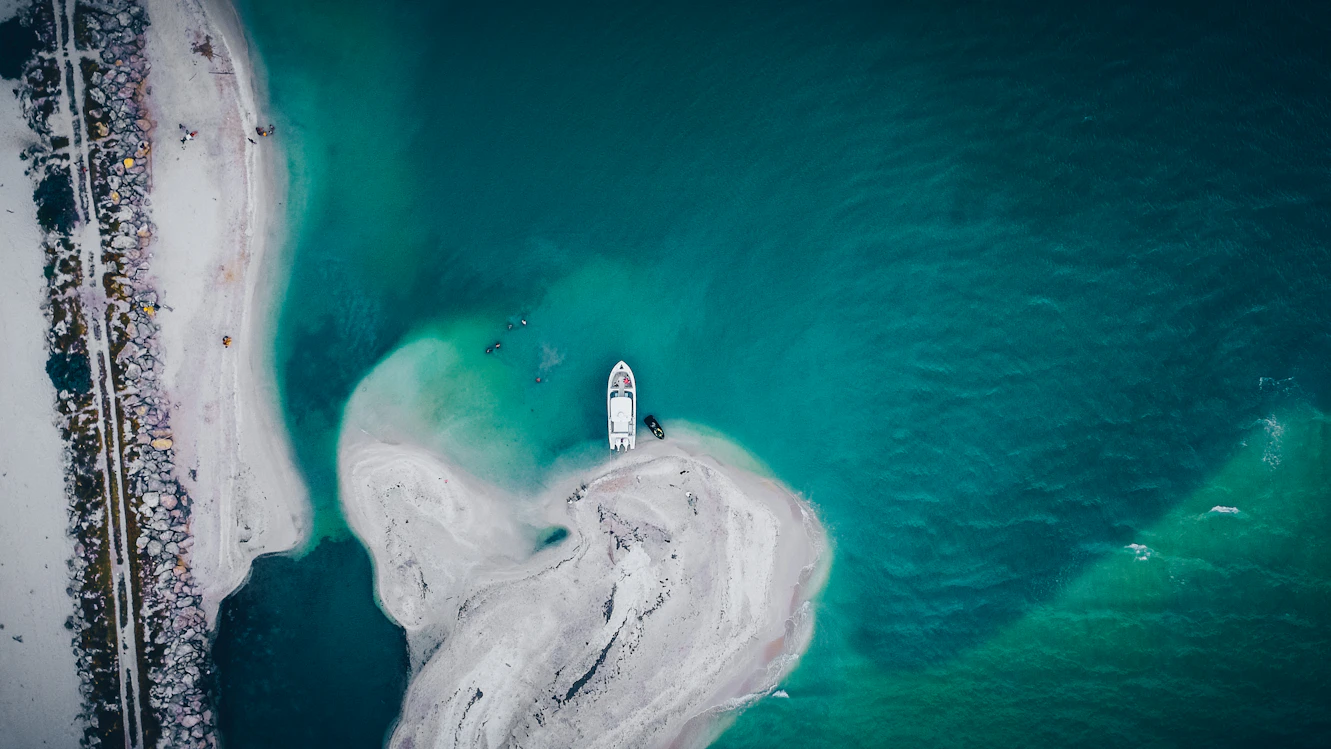
We stand at the edge of our knowledge, looking into the dark water, knowing that the unknown is not empty - it is full of life waiting to be understood.