THE NEURAL CHRONICLE — Special Feature
Neuroplasticity: The Brain That Remakes Itself
For centuries, the human brain was likened to a magnificent but fixed machine—a clockwork computer whose parts were predestined for specific tasks. Damage a region, and the function was lost forever. You were, they said, stuck with the brain you were born with. But a quiet revolution in neuroscience has shattered that dogma. The discovery of neuroplasticity has revealed a living, dynamic organ that reshapes itself every single day, offering new hope for healing, learning, and expanding the limits of human potential. This is its full story—every synapse, every breakthrough, every therapeutic triumph, and every implication for what it means to be human.
The Fixed Brain Dogma: A Centuries-Old Assumption
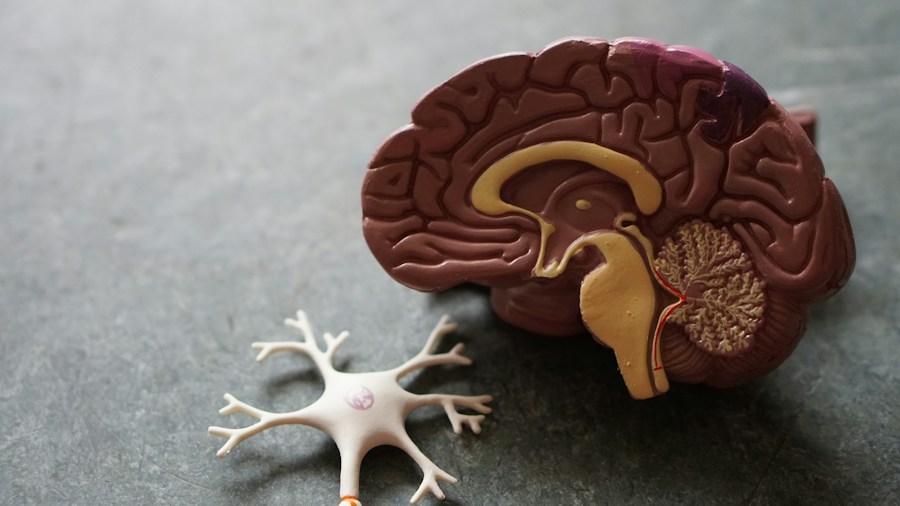
For most of recorded history, the human brain was understood through the metaphor of the machine. In the nineteenth century, it was a telegraph switchboard, with fixed wires carrying messages along immutable routes. In the twentieth, it became a computer—hardware that, once assembled, could not be physically altered. The reigning doctrine held that the adult brain was structurally immutable. Neurogenesis, the birth of new neurons, was thought impossible after childhood. Brain damage was permanent. A stroke that destroyed the tissue responsible for speech or movement meant a lifetime of disability. The map of the brain, once drawn, was final.
This dogma was so deeply entrenched that it shaped medical practice, educational theory, and cultural attitudes toward aging and recovery. When the great Spanish neuroanatomist Santiago Ramón y Cajal—the father of modern neuroscience—declared in 1913 that "in the adult brain, nervous pathways are fixed and immutable," his words carried the weight of gospel. Generations of scientists and clinicians built their careers on this assumption. Rehabilitation after stroke was considered largely futile beyond a brief window of spontaneous recovery. The idea that an elderly person might learn a new language with native fluency was dismissed as fantasy. The brain, it seemed, was a ticking clock, winding down toward inevitable decline.
Cracks in the Edifice: The Pioneers Who Dared to Question
The overthrow of the fixed-brain dogma did not happen overnight. It began with scattered observations—anomalies that refused to fit the prevailing framework. In the 1920s, the American psychologist Karl Lashley conducted experiments on rats, removing portions of their cerebral cortex and testing their ability to navigate mazes. To his surprise, the rats often recovered function. The brain seemed to be redistributing tasks, compensating for the lost tissue. Lashley's findings hinted at a flexibility that the dogma could not explain, but the implications were not fully grasped at the time.
In the 1960s and 1970s, a more concerted assault on orthodoxy began. The Canadian psychologist Donald Hebb had already laid theoretical groundwork with his famous postulate: "Neurons that fire together, wire together." Hebb proposed that when two neurons are active simultaneously, the synaptic connection between them strengthens—a principle now known as Hebbian plasticity. But it was the experimental work of researchers like Michael Merzenich, Jon Kaas, and Paul Bach-y-Rita that provided the irrefutable proof. Merzenich's meticulous mapping of the sensory cortex in monkeys showed that the brain's representational maps were not fixed at all. When he amputated a finger, the cortical region that had responded to that finger did not go permanently silent. Instead, neighboring finger representations expanded and colonized the vacant territory within weeks. The brain had literally remapped itself.
Paul Bach-y-Rita, often called the father of sensory substitution, demonstrated an even more radical form of plasticity. He developed a device that converted visual information from a camera into tactile vibrations delivered to the back of a blind person. After training, the users reported perceiving the sensations not as touch on their back, but as visual images in space. Their brains had rerouted sensory processing, constructing a form of vision through the skin. The implications were staggering: the brain was not merely a collection of specialized modules but a dynamic, adaptive system capable of profound reorganization.

The Mechanisms of Change: How the Brain Rewires Itself
Neuroplasticity is not a single phenomenon but a family of processes operating at multiple scales, from the molecular to the macroscopic. Understanding these mechanisms reveals the extraordinary biological machinery that underlies every act of learning, every recovery from injury, and every adaptation to a changing world.
Synaptic Plasticity: The Molecular Basis of Memory
At the most fundamental level, plasticity occurs at the synapse—the microscopic gap between two neurons across which chemical signals flow. Synaptic plasticity comes in two primary forms: long-term potentiation (LTP) and long-term depression (LTD). LTP strengthens the connection between neurons that fire together repeatedly, making subsequent communication easier and more efficient. This is the cellular basis of learning and memory formation. When you practice a piano scale or memorize a poem, LTP is at work, physically enhancing the synaptic connections within the relevant circuits. LTD, by contrast, weakens connections that are used infrequently—a process of neural pruning that streamlines the brain's architecture and eliminates noise.
The molecular choreography behind these changes involves a cascade of events. Repeated stimulation triggers the release of glutamate, the brain's primary excitatory neurotransmitter. This, in turn, activates NMDA receptors on the postsynaptic neuron, allowing calcium ions to flood into the cell. The calcium influx triggers intracellular signaling pathways that lead to the insertion of additional AMPA receptors into the synaptic membrane, making the cell more responsive to future stimulation. Simultaneously, the release of brain-derived neurotrophic factor (BDNF)—a protein often described as "Miracle-Gro for the brain"—promotes the growth and survival of neurons, encourages the formation of new synapses, and consolidates the changes initiated by LTP. BDNF levels surge during intense focused learning and during deep sleep, when the brain replays and strengthens the day's neural firing patterns.
Structural Plasticity: Rewiring the Hardware
Beyond the chemical adjustments at individual synapses, the brain is capable of large-scale structural remodeling. Dendrites—the branched projections of neurons that receive incoming signals—can sprout new spines and branches in response to enriched environments and learning demands. Axons, the long transmitting fibers of neurons, can extend new collaterals to connect with different populations of neurons. In some brain regions, notably the hippocampus and the olfactory bulb, entirely new neurons are born throughout life in a process called adult neurogenesis. This continuous addition of new neurons, though limited in scope, contributes to cognitive flexibility, pattern separation in memory, and the brain's capacity to adapt to novelty.
The cortex itself can reorganize its functional maps. When a blind person learns to read Braille, the cortical territory devoted to the reading finger expands. When a professional violinist practices for thousands of hours, the motor cortex representation of the left hand—the one that executes the rapid, intricate fingering—grows measurably larger than that of the right. These changes are not metaphorical; they are visible under a microscope and quantifiable with brain imaging techniques. The brain you possess at this moment is physically different from the brain you had a year ago, sculpted by every significant experience, every practiced skill, every emotional ordeal, and every night of restorative sleep.
Myelination: Insulating the Circuits
Neuroplasticity also involves changes to the white matter—the fatty myelin sheaths that wrap around axons like insulation around an electrical wire. Myelin increases the speed and efficiency of neural transmission dramatically. When a circuit is used repeatedly and intensively, oligodendrocytes—the glial cells that produce myelin—respond by adding additional layers of insulation to the active axons. This process, called activity-dependent myelination, is one reason why practiced skills become faster, smoother, and more automatic over time. The difference between a novice pianist haltingly picking out notes and a concert pianist whose fingers fly effortlessly across the keys is not just a matter of synaptic strength; it is also a matter of myelin. The circuits have been physically upgraded for speed.
Healing the Damaged Brain: Neuroplasticity in Clinical Practice
Perhaps the most profound and life-altering application of neuroplasticity research lies in the field of neurological rehabilitation. For millions of people who have suffered strokes, traumatic brain injuries, spinal cord damage, or cerebral palsy, the discovery that the brain can rewire itself has transformed the prognosis from one of permanent disability to one of genuine hope and measurable recovery.
Stroke rehabilitation has been radically reimagined through the lens of plasticity. The traditional approach—compensatory strategies that teach patients to work around their deficits using their unaffected limbs—is being supplemented and, in many cases, replaced by restorative approaches that aim to rewire the brain itself. Constraint-Induced Movement Therapy (CIMT), developed by Edward Taub, exemplifies this paradigm shift. CIMT restrains the patient's unaffected arm in a mitt for most waking hours over a period of weeks, forcing the use of the affected limb in hundreds of repetitive, progressively challenging tasks. The intense, focused, and sustained effort drives plastic reorganization in the motor cortex. Neurons adjacent to the damaged area sprout new connections and take over the lost functions. Patients who had been told they would never again use their paralyzed arm have, through CIMT, regained the ability to feed themselves, write, and perform activities of daily living. Brain scans before and after the therapy reveal dramatic changes: the cortical territory controlling the affected arm expands, and new functional connections form.
Similar principles are being applied to language recovery. Intensive aphasia therapy, which involves massed practice and repetition of speech and language tasks, stimulates the reorganization of language networks. In some patients, the right hemisphere—the side not typically dominant for language—takes on a greater role in speech production, compensating for damage to the left hemisphere's language centers. For children with cerebral palsy, early and intensive physical therapy guided by plasticity principles can reshape the developing brain's motor maps, improving mobility and coordination in ways once thought impossible. The key ingredients across all these therapies are remarkably consistent: intensity, repetition, task-specificity, and, crucially, the active, focused engagement of the patient. Passive movement does not drive plastic change; the brain must be actively involved in the struggle to perform.
The Mind That Changes Itself: Mental Training and Cognitive Reserve
Neuroplasticity is not limited to the rehabilitation of injury. It is the mechanism by which every form of learning and mental training reshapes the brain. One of the most compelling demonstrations comes from research on meditation. Long-term meditators show measurable structural changes in their brains: the prefrontal cortex—associated with attention, decision-making, and emotional regulation—is thicker; the insula, which integrates bodily sensations and emotional awareness, is enlarged; and the amygdala, the brain's fear center, shows reduced volume and reactivity. These changes are not trivial; they reflect thousands of hours of deliberate mental practice and translate into tangible differences in stress resilience, emotional well-being, and cognitive performance.
The concept of cognitive reserve—the brain's ability to withstand age-related decline and pathology—is deeply rooted in plasticity. Epidemiological studies have consistently shown that individuals with higher levels of education, bilingualism, complex occupational demands, and intellectually stimulating leisure activities have a lower risk of developing dementia and, when they do, exhibit symptoms later and progress more slowly. The brain that has been challenged throughout life has built a denser, more redundant neural network. It has more synaptic connections, more efficient processing pathways, and a greater capacity to recruit alternative circuits when primary ones are compromised by disease. Learning a second language in adulthood, mastering a musical instrument, or even maintaining an active social life and engaging in cognitively demanding hobbies are not merely pleasant pastimes; they are investments in the structural integrity and resilience of the brain.
The implications extend to education and skill acquisition across the lifespan. The old notion of "critical periods"—windows in childhood during which certain skills must be learned or forever lost—has been softened by plasticity research. While it is true that the young brain is exceptionally plastic and acquires certain skills like native language phonology with remarkable ease, the adult brain retains a substantial capacity for change. Adult learners of a second language may never fully lose their accent, but they can achieve fluency and build the cognitive benefits associated with bilingualism. Adult learners of musical instruments can develop proficiency and reap the cognitive rewards. The brain remains moldable throughout life, responsive to the demands placed upon it. What is required is not youth per se, but the right conditions: focused attention, incremental challenge, consistent practice, and adequate sleep.

The Dark Side of Plasticity: When Rewiring Goes Wrong
Neuroplasticity is not an unqualified blessing. The same mechanisms that allow the blind person's auditory cortex to expand and develop exquisite echo-location abilities, or the stroke survivor to relearn how to walk, can also entrench suffering. The brain's capacity for change is value-neutral; it simply reinforces whatever patterns of neural activity are repeated most frequently and most intensely. When those patterns encode pain, fear, or compulsive behavior, plasticity becomes a prison.
Chronic Pain: The Brain That Learns to Hurt
Chronic pain syndromes represent one of the most devastating examples of maladaptive plasticity. In conditions like complex regional pain syndrome (CRPS), fibromyalgia, and chronic low back pain, the brain's pain-processing circuits become pathologically sensitized. The cortical map of the affected body part can become smeared and distorted. Pain perception amplifies and persists long after the original tissue damage has healed—or even in the absence of any identifiable peripheral injury. The brain has learned to generate pain, and through the same Hebbian mechanisms that consolidate any well-practiced skill, it becomes progressively more efficient at doing so. Phantom limb pain, experienced by many amputees, arises from a similar plastic maladaptation: the cortical territory that once represented the missing limb is invaded by neighboring representations, leading to confused and painful signals that the brain interprets as originating from a limb that no longer exists.
Treating these conditions requires a plastic approach in reverse. Mirror therapy, developed by Vilayanur S. Ramachandran, uses a mirror to create a visual illusion of the missing or painful limb moving normally and without pain. This visual feedback can help "unlearn" the pathological pain maps, gradually normalizing the distorted cortical representation. Graded motor imagery, sensory discrimination training, and cognitive-behavioral interventions all aim to harness plasticity to overwrite the maladaptive patterns with healthier ones. The process is slow, demanding, and not always successful, but it represents a fundamentally new way of approaching pain—not as an immutable signal of tissue damage, but as a plastic construct of the brain that can, under the right conditions, be remodeled.
Addiction: The Hijacked Reward System
Addiction is, in a very real sense, a disorder of neuroplasticity. The drugs of abuse—whether alcohol, opioids, stimulants, or nicotine—trigger massive surges of dopamine in the brain's reward circuitry, far exceeding the levels produced by natural rewards like food or social interaction. The brain, in response, undergoes plastic changes that powerfully reinforce drug-seeking behavior while weakening the circuits that support self-control and alternative, healthy pursuits. The synapses in the nucleus accumbens and prefrontal cortex are remodeled. The memory of the drug experience is etched deeply into the brain's circuitry, creating powerful cravings that can be triggered by environmental cues—people, places, objects—associated with drug use. This is a plastic scar, a deeply grooved pathway that remains vulnerable to reactivation even after years of abstinence. Recovery requires the deliberate, effortful construction of new, competing pathways—new habits, new sources of reward, new patterns of thought—that can, over time, weaken the grip of the addiction circuitry. It is a battle of plasticity against plasticity.

The Rules of Plastic Change: How to Harness Your Brain's Remodeling Crew
Understanding that the brain is plastic is one thing; learning to steer that change deliberately is another. Decades of research have distilled a set of principles that govern how and when plastic change occurs. These rules are both encouraging—affirming that meaningful change is possible at any age—and demanding, requiring a level of commitment that our culture of instant gratification often resists.
Attention Is the Gatekeeper
Perhaps the most critical principle is that passive exposure is not enough. Simply being present while information washes over you does not drive large-scale plastic change. Neuroplasticity is gated by attention. When you focus intensely on a task—truly grappling with a new language sound, struggling to hit the right chord on a guitar, or consciously correcting a faulty movement pattern—your brain releases acetylcholine, a neuromodulator that acts as a spotlight, highlighting the active circuits for change. Simultaneously, BDNF is released, promoting synaptic strengthening and consolidation. Without focused attention, the neurochemical signals that trigger plastic remodeling are not reliably generated. The mantra that "neurons that fire together, wire together" is true, but they only wire together securely when you are paying full, undivided attention.
Slow, Deep Practice Builds Solid Maps
In a culture that celebrates speed and multitasking, neuroplasticity thrives on slowness. Breaking a skill into the smallest possible components and repeating them with meticulous precision allows the brain to build clean, error-free neural maps. Rushing through practice cements mistakes into the circuitry, making them harder to correct later. This is why master musicians practice passages at glacial tempos, why elite athletes drill fundamentals endlessly, and why stroke survivors in rehabilitation take deliberate, conscious steps before movement becomes automatic. The plastic brain is not a quick learner; it is a deep learner. It requires hundreds or thousands of repetitions to consolidate a new skill, and many more to make it automatic and effortless. Patience is not merely a virtue in the pursuit of plastic change—it is a biological necessity.
Sleep Completes the Work
The actual physical rewiring of the brain largely occurs not during practice, but during sleep. During deep non-REM sleep, the brain replays the day's neural firing patterns at dramatically accelerated speeds—up to twenty times faster than the original experience. This replay transfers fragile memories from temporary storage in the hippocampus to more permanent storage in the cortex, a process known as memory consolidation. Meanwhile, the brain prunes away unnecessary synaptic connections and strengthens the ones that matter. During REM sleep, which predominates in the early morning hours, the brain engages in a more associative process, linking the newly learned material with existing knowledge and often producing the creative insights and novel connections that seem to arise spontaneously upon waking. Chronic sleep deprivation does not just leave you tired; it actively sabotages the consolidation of learning and the plastic remodeling that underpins skill development. Every hour of sleep lost is an hour of neuroplastic opportunity squandered.
Incremental Challenge and the Edge of Difficulty
Plastic change is maximized when the task is neither too easy nor impossibly hard, but hovers at the edge of the learner's current ability. This zone of proximal development—a concept borrowed from developmental psychology—is where the brain is sufficiently challenged to trigger the neurochemical signals for change, but not so overwhelmed that it disengages or resorts to maladaptive compensations. A well-designed training program, whether for stroke recovery or musical mastery, continually adjusts the difficulty to match the learner's evolving capacity, maintaining a state of productive struggle. This is why plateaus in skill development are common; the brain has adapted to the current level of challenge, and further change requires a deliberate increase in difficulty or a novel variation that forces the system to reorganize once again.

Aging, Cognitive Reserve, and the Lifelong Plastic Brain
One of the most hopeful messages from neuroplasticity research is that the aging brain is not simply a brain in decline. While it is true that certain cognitive functions—processing speed, working memory capacity, the ability to multitask—tend to diminish with advancing age, the older brain retains a remarkable capacity for plastic change. In fact, some aspects of cognitive function, such as vocabulary, general knowledge, emotional regulation, and the ability to synthesize disparate ideas into coherent patterns, often improve with age. The older brain is not a weaker brain; it is a differently organized brain, one that has accumulated a lifetime of experience and developed extensive networks of interconnected knowledge.
The key to healthy cognitive aging lies in maintaining an enriched, stimulating environment that continually challenges the brain to adapt and grow. Physical exercise—particularly aerobic exercise—is one of the most powerful drivers of neuroplasticity in the aging brain, increasing BDNF levels, promoting neurogenesis in the hippocampus, and improving cerebral blood flow. Cognitive stimulation—learning new skills, engaging in complex problem-solving, maintaining an active social life—builds and preserves the synaptic density and network complexity that constitute cognitive reserve. The brain that has been well used over a lifetime is better equipped to compensate for the inevitable accumulation of minor pathologies—the plaques and tangles, the microvascular changes—that accompany aging. It has more alternative routes to arrive at the same destination, more redundancy in its circuitry. The message is clear: the best time to invest in your brain's future is now, and every day offers an opportunity to make a deposit in the bank of cognitive reserve.

The Future of Neuroplasticity: Technology, Enhancement, and Ethical Frontiers
The science of neuroplasticity stands at an exhilarating and ethically complex frontier. Emerging technologies are beginning to offer ways to directly influence the plastic processes of the brain, opening possibilities for healing and enhancement that were previously the stuff of science fiction. Transcranial magnetic stimulation (TMS) and transcranial direct current stimulation (tDCS) use magnetic fields or weak electrical currents to modulate the excitability of targeted brain regions, potentially priming them for plastic change. When combined with intensive behavioral training, these techniques have shown promise in accelerating recovery from stroke, enhancing language learning, and treating depression. The field is young, and the effects are often modest and variable, but the principle—that we can externally influence the brain's plastic machinery—is established.
Brain-computer interfaces (BCIs) represent an even more dramatic frontier. These systems, which decode neural signals and translate them into commands for external devices, rely fundamentally on neuroplasticity. The brain must learn to modulate its activity in ways that the computer can interpret, and the computer, in turn, must adapt to the brain's changing signals. For individuals with severe paralysis, BCIs have restored the ability to communicate, control robotic limbs, and interact with the digital world. As the technology advances, the boundary between brain and machine becomes increasingly permeable, raising profound questions about identity, agency, and the nature of the self. Neurofeedback, a technique that provides real-time visual or auditory feedback of brain activity, allows individuals to learn to voluntarily regulate their own neural patterns. It has been used to treat attention-deficit disorders, anxiety, and epilepsy, and it hints at a future in which we might all have greater conscious control over the plastic remodeling of our own minds.
But with these powers come weighty ethical considerations. If we can accelerate learning, enhance memory, or erase traumatic memories through targeted plastic interventions, who should have access to these technologies? Will they exacerbate existing inequalities, creating a cognitive divide between the enhanced and the unenhanced? What are the long-term consequences of manipulating the fundamental mechanisms by which our brains construct our selves? The science of neuroplasticity has taught us that the brain is not a fixed entity but a work in progress, continuously sculpted by experience. As we gain the tools to consciously direct that sculpting, we must navigate these questions with wisdom, humility, and a deep respect for the complexity of the organ that makes us who we are.

The Philosophical Horizon: What a Plastic Brain Means for Being Human
Beyond the clinical applications and the technical mechanisms, the discovery of neuroplasticity carries profound philosophical implications. It challenges the ancient notion of a fixed self—a soul or personality that is stable and unchanging across time. If the brain is constantly rewiring itself in response to experience, then the "self" is not a static entity but a dynamic process, a flowing river of neural patterns that is never the same from one moment to the next. This is not a cause for existential vertigo but for a kind of grounded optimism. It means that the capacity for change—genuine, structural, lasting change—is built into the very fabric of our biology.
The implications for personal responsibility and agency are significant. What we repeatedly do, think, and attend to literally sculpts our neural architecture. A daily practice of gratitude strengthens the circuits associated with positive emotion. A habit of rumination deepens the grooves of anxiety and depression. Every choice we make, every skill we practice, every relationship we nurture, and every thought we entertain leaves a physical trace in the brain. We are not merely the product of our genes and our upbringing; we are, to a significant degree, the product of our own repeated actions and focused attention. The plastic brain is a brain that can be deliberately cultivated.
This understanding bridges the gap between the biological and the psychological, the material and the meaningful. It provides a scientific framework for what philosophers and spiritual teachers have long asserted: that transformation is possible, that habits can be reshaped, that suffering can be alleviated, and that the mind has the power to change the brain. The machine, it turns out, was never a machine at all. It is a living garden, endlessly growing, pruning, and flowering in response to the conditions we provide. And we—each of us, every day—are its gardeners.