
We know more about the surface of Mars than most travelers know about the hidden courtyards and deep traditions of Morocco. The medina is calling.
The Morocco You Haven’t Seen: Hidden Riads, Desert Nights, and Unwritten Stories
It begins with a scent - cumin and charcoal smoke drifting through a narrow alleyway, the sharp sweetness of mint tea poured from a height, the distant call to prayer echoing off rose-hued walls. For generations we looked to familiar European capitals and beach resorts, but just a short flight from those comfortable shores lies a universe far stranger, more vibrant, and more alive than most travelers ever imagine. Morocco is not just a destination; it is a journey into the planet's most sensuous cultural crossroads, a realm of labyrinthine medinas, crushing desert silence, and hospitality that defies every cynical expectation. In the last decade, we have mapped the hidden riads of Marrakech, discovered eco-conscious desert camps powered by solar energy on the edges of the Sahara, and deployed AI-powered translation apps that let us converse with Berber artisans where no common language previously existed. And yet, more than eighty percent of the authentic Morocco - the family-run hammams, the village festivals, the secret recipes passed through generations - remains unexplored, unlisted, and unseen by the package-tour crowds. This is the complete, expanded, humanized account of how to get there, what we now know, and the breathtaking journey that awaits you in the kingdom.
Morocco travel is the systematic immersion into a North African kingdom - its physical geography from Atlantic coast to Saharan dunes, its cultural, culinary, historical, and spiritual dimensions. It matters for the soul because Morocco drives our sense of wonder, provides a mirror to medieval living alongside modern ambition, nourishes the curious, and holds the history of Islamic, Berber, African, and European convergence in its tiled courtyards. For the traveler, Morocco is a living laboratory of extreme sensory adaptation and human connection. For the planet, it is the great connector, circulating spices, ideas, music, and trade between Africa, the Arab world, and Europe. To neglect its deeper exploration is to fly blind on a journey we only half understand.

In the absence of familiar signposts, we bring our own curiosity. Every turn reveals a workshop, a shrine, or a story no guidebook has yet recorded.
Part One: The Ancient Blueprint - Early Human Interaction with Morocco
Humanity's relationship with Morocco is ancient, intimate, and driven by survival and trade. Long before written records, Berber (Amazigh) communities navigated the Atlas Mountains and the Sahara's edges, following seasonal pastures and establishing the first trans-Saharan trade routes. The earliest Moroccan explorations were not driven by tourism but by necessity: finding water sources, escaping desertification, or following migrating herds. The rock carvings of the High Atlas, some dating back more than 8,000 years, depict hunters, dancers, and strange spiraling symbols - the earliest testament to human presence in this dramatic landscape.
By 1000 BCE, Phoenician traders from the Levant had established coastal settlements at Lixus, Sala, and Mogador (modern Essaouira), drawn by Moroccan cedar wood, purple dye from murex shells, and ivory from sub-Saharan Africa transported by Berber caravans. The Phoenicians were perhaps the first to systematically chart the Moroccan Atlantic coast, though their knowledge was proprietary, guarded, and rarely written down. The Carthaginians, their North African successors, expanded this maritime network, and the legendary explorer Hanno is said to have sailed down the West African coast with a fleet, possibly reaching as far as Senegal, describing gorillas and volcanic mountains.
Roman interaction with Morocco - then the province of Mauretania Tingitana - left a deeper imprint. The Romans built cities like Volubilis, with its stunning mosaics depicting dolphins, mythological scenes, and the labors of Hercules. They cultivated olives and wheat in the fertile plains and traded with the independent Berber kingdoms of the interior. But Rome never fully subdued the Atlas highlands; the Berber tribes remained fiercely autonomous, a pattern of resistance and independence that would characterize Moroccan history for millennia. The ruins of Volubilis, today a UNESCO World Heritage site near Meknes, stand as a silent testimony to a cosmopolitan frontier where Latin, Punic, and Berber languages mingled.
The arrival of Islam in the 7th century CE transformed Morocco into a spiritual and political powerhouse. The great Arab general Uqba ibn Nafi is said to have ridden his horse into the Atlantic surf at the westernmost edge of the continent, declaring that only the ocean prevented him from carrying the faith further. The Idrisid dynasty, founded by Idris I - a descendant of the Prophet Muhammad - established Fes as a center of learning and spirituality. The city's University of Al Quaraouiyine, founded in 859 CE by the visionary woman Fatima al-Fihri, is the oldest continuously operating university in the world. Under the Almoravid and Almohad dynasties, Morocco became the heart of an empire that stretched from Spain to Senegal, with Marrakech and later Rabat as its beating capitals. The great mosque-minarets - the Koutoubia in Marrakech, the Hassan Tower in Rabat, the Giralda in Seville - were built as statements of power and faith, their proportions based on precise mathematical ratios that still awe architects today.
These historical milestones underscore a fundamental human trait: the drive to go beyond the known horizon, to build where others only passed through. But the surface monuments were only the beginning. The real exploration - inward, into the medinas, the mountain villages, the desert camps - was just starting.
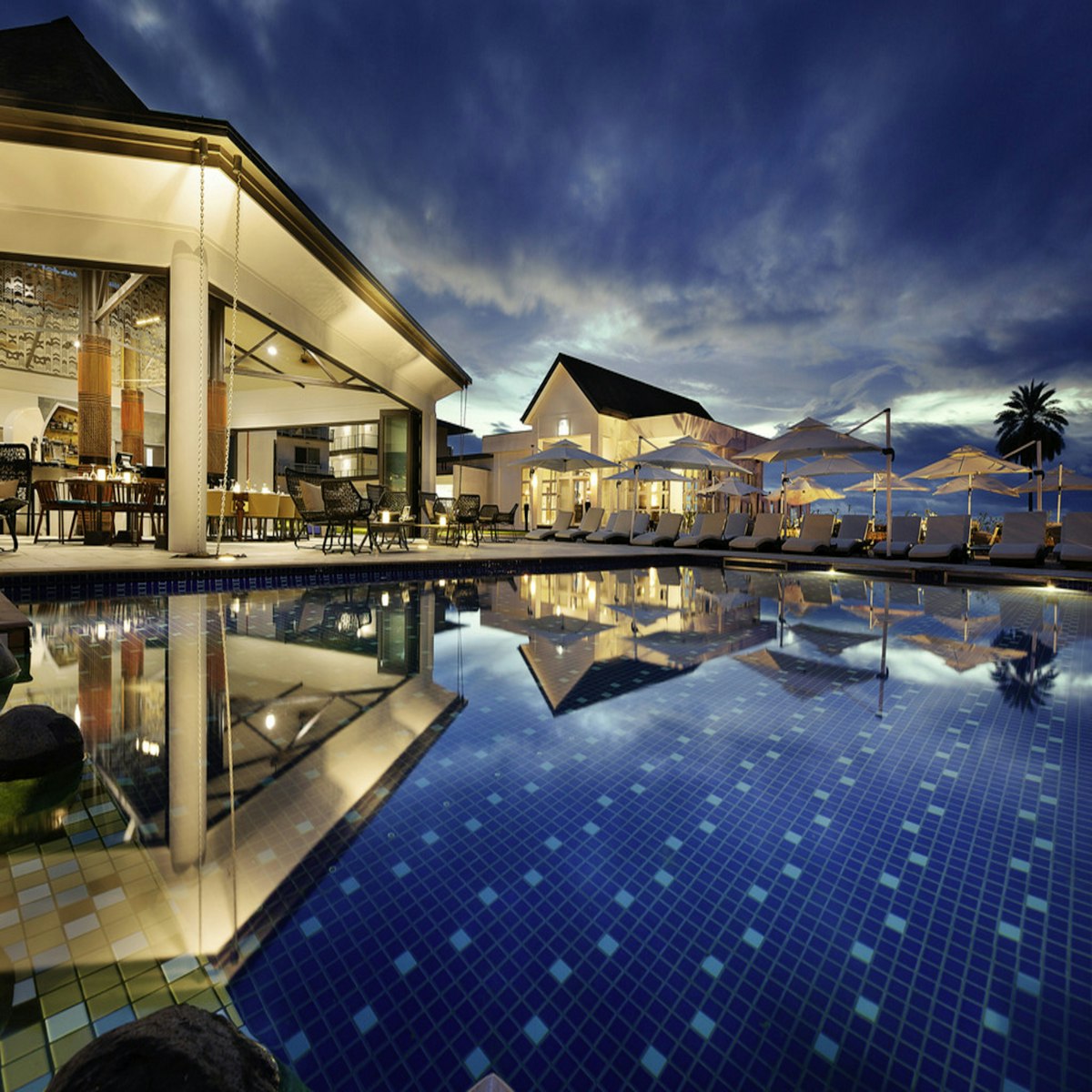
First came the maps of the trade routes, often marked with warnings of desert djinn. The real magic was waiting in the workshops.
Part Two: The Imperial Cities and the Birth of Moroccan Urban Civilization
Morocco's urban identity evolved from a scattering of trading posts and garrison towns into a constellation of imperial cities, each with a distinct character that endures today. The term "imperial city" refers to the four capitals that have, at various times, served as the seat of Moroccan dynasties: Marrakech, Fes, Meknes, and Rabat. Each represents a different facet of the Moroccan soul, and together they form a circuit that no serious traveler should miss.
Marrakech: The Red City. Marrakech is the beating heart of Moroccan tourism - a city that overwhelms, enchants, frustrates, and inspires in equal measure. Known as the "Red City" for its rose-hued sandstone buildings, Marrakech has been a major trading hub for nearly a thousand years. The UNESCO-listed medina is a dizzying maze of over 9,000 alleyways, each one revealing hidden mosques, ornate fountains, and bustling souks. At its center lies Jemaa el-Fnaa, one of the world's most famous public squares. By day, it hosts juice vendors, snake charmers, and henna artists. As the sun sets, the square transforms into a massive open-air food court with dozens of stalls serving everything from grilled meats to snail soup. The energy here is electric - a sensory overload that defines the Marrakech experience. The Bahia Palace showcases the finest examples of Moroccan architecture, with intricate zellige tilework, carved cedar ceilings, and serene courtyard gardens. The Saadian Tombs, rediscovered only in 1917, offer a glimpse into the opulence of the 16th-century Saadian dynasty. The Majorelle Garden, restored by Yves Saint Laurent, provides a tranquil escape with its cobalt blue accents and exotic plant collection. The Koutoubia Mosque, with its towering 77-meter minaret, serves as an unmissable landmark visible from across the city.
Fes: The Spiritual and Cultural Heart. If Marrakech is Morocco's commercial soul, Fes is its spiritual and intellectual heart. Founded in the 8th century, Fes is home to the world's oldest continuously operating university and boasts one of the largest car-free urban zones on the planet. The Fes el-Bali medina, a UNESCO World Heritage site, comprises over 9,400 winding streets that have remained largely unchanged for centuries. The Chouara Tannery is one of Fes's most photographed sites. Dating back to the 11th century, this sprawling complex of stone vessels filled with dyes and liquids represents a leather-making process that has remained virtually unchanged for a millennium. Visitors observe from surrounding terraces, often clutching sprigs of mint to mask the potent odors. The medersas (Islamic schools) of Fes showcase the pinnacle of Moroccan decorative arts. The Bou Inania Medersa, built in the 14th century, features exquisite carved stucco, cedar woodwork, and marble details. The Al-Attarine Medersa, though smaller, is a jewel box of zellige tilework and calligraphic inscriptions.
Meknes and Rabat. Meknes, the often-overlooked imperial city, was the capital under the ruthless and brilliant Sultan Moulay Ismail in the 17th century. His vast granaries, stables for 12,000 horses, and monumental gates speak to a vision of absolute power. Rabat, the current capital, offers a more relaxed urban experience. The Hassan Tower, an incomplete 12th-century minaret, stands alongside the Mausoleum of Mohammed V, a masterpiece of modern Moroccan architecture. The Kasbah of the Udayas, a fortified citadel overlooking the Atlantic, charms with its blue-and-white streets reminiscent of Chefchaouen. The Chellah Necropolis, a medieval fortified site built atop Roman ruins, offers a hauntingly beautiful glimpse into layers of Moroccan history, with storks nesting atop ancient walls.

Jemaa el-Fnaa at dusk - the modern explorer's gateway, where the pulse of the city beats loudest.
Part Three: The Scientific Development of Moroccan Travel - From Grand Tour to Digital Nomad
Moroccan tourism evolved from an ancillary pursuit of Grand Tour aristocrats into a rigorous, multi-layered industry. In the 19th century, European artists and writers - Eugène Delacroix, Henri Matisse, Paul Bowles, and later the Beat Generation - flocked to Tangier and Marrakech, drawn by the quality of light, the permissive atmosphere, and the exotic allure of the Orient. Their paintings, novels, and letters home created the first wave of Western fascination with Morocco. Matisse's vibrant canvases, painted during his stays in Tangier, captured the intense blue of the city's shadows and the riot of color in its markets. Bowles, who lived in Tangier for over 50 years, wrote novels and stories that probed the unsettling encounters between Western and Moroccan consciousness.
The 1960s and 1970s brought the hippie trail. Marrakech and Essaouira became countercultural magnets, with Jimi Hendrix and Cat Stevens spending time in the coastal towns, drawn by music, hashish, and the promise of spiritual renewal. The tourism infrastructure was rudimentary: simple hotels, shared grand taxis, and a sense of genuine discovery for those willing to brave the unpaved roads. By the 1990s, package tourism had arrived, and the all-inclusive resorts of Agadir began to draw sun-seekers who rarely ventured beyond the poolside. The Moroccan government, recognizing the economic potential, invested in airports, highways, and hotel training programs.
The 21st century brought a new kind of traveler: the digital nomad, the boutique riad seeker, the foodie with a smartphone and a mission. Platforms like Airbnb and Booking.com unlocked access to private homes in the medina. Instagram made Chefchaouen's blue streets a global phenomenon. Travel bloggers and YouTubers documented everything from haggling techniques to desert camp reviews, creating a self-reinforcing cycle of exposure and demand. Morocco responded with upgraded infrastructure: the Al Boraq high-speed train connecting Tangier to Casablanca, the expansion of Marrakech Menara Airport, and a proliferation of cooking schools, surf camps, and yoga retreats. Yet this rapid growth brought tensions: overcrowding in the most Instagrammed spots, pressure on water resources, and a creeping homogenization of the tourist experience in places like the Marrakech medina's main arteries. The true Morocco, the one that exists down unnamed side streets and in family homes, became simultaneously more accessible and more hidden.
Today, Moroccan travel seamlessly combines tradition and modernity. You can book a camel trek on your phone, pay with a credit card at a centuries-old apothecary, and video-call your family from a tent in the Sahara. Yet the fundamental experience remains unchanged: the taste of sweet mint tea shared with a shopkeeper, the sound of the call to prayer echoing across rooftops, the feel of fine Saharan sand between your toes. These developments turned Moroccan travel from a pursuit of occasional expeditions into a permanent, personalized journey of discovery.
Part Four: Technological Advancements - The Tools That Unlock What Most Travelers Never See
The technological story of Morocco travel is one of relentless ingenuity against overwhelming sensory and logistical challenges. The earliest guidebooks - the 19th-century accounts of British travelers like Walter Harris - were often wildly inaccurate, mixing genuine observation with colonial fantasy. Today's digital tools can map the medina with GPS precision, translate Darija (Moroccan Arabic) in real time, and connect you with a local guide who will take you to his mother's house for couscous.
Smartphone apps have transformed the independent travel experience. Google Maps now covers many medina alleyways, though it still occasionally sends users into dead ends. Specialized apps like Maps.me offer offline navigation for the labyrinthine streets of Fes and Marrakech. Translation apps like Google Translate have added Darija, though the dialect's fluidity and heavy borrowing from Berber and French still challenge the algorithms. Ride-hailing apps like Careem operate in major cities, providing a reliable alternative to negotiating with petit taxi drivers. For accommodation, platforms like Booking.com and Airbnb list hundreds of riads, but the truly hidden gems - the ones run by families who have been in the same house for generations - are often bookable only through direct WhatsApp contact or word of mouth.
Social media, particularly Instagram and TikTok, has had a profound and double-edged impact. Chefchaouen's blue streets, once a quiet mountain town, now attract thousands of visitors daily, all seeking the same shot of the flower-pot-adorned staircase. The Hassan II Mosque in Casablanca, the leather tanneries of Fes, and the desert camps of Merzouga have all become backdrops for carefully curated content. This exposure has brought economic benefits but also a pressure to perform, with some local vendors adapting their offerings to what photographs well rather than what is culturally authentic. Yet social media has also democratized travel inspiration, allowing Moroccan entrepreneurs - women's cooperatives, eco-lodge owners, young chefs - to reach a global audience directly.
A space-travel comparison is often invoked: we have sent tourists to the edge of space, yet most visitors to Morocco never venture beyond the main square and the nearest air-conditioned restaurant. The authentic experiences exist, but the cultural barriers - language, confidence, the fear of getting lost or being scammed - create a barrier that technology is only beginning to lower. The challenge is not just building better maps; it is building bridges of trust that allow travelers to step confidently into the unknown. That is why every new app, every honest review, and every responsible tour operator represents a quantum leap in accessibility.
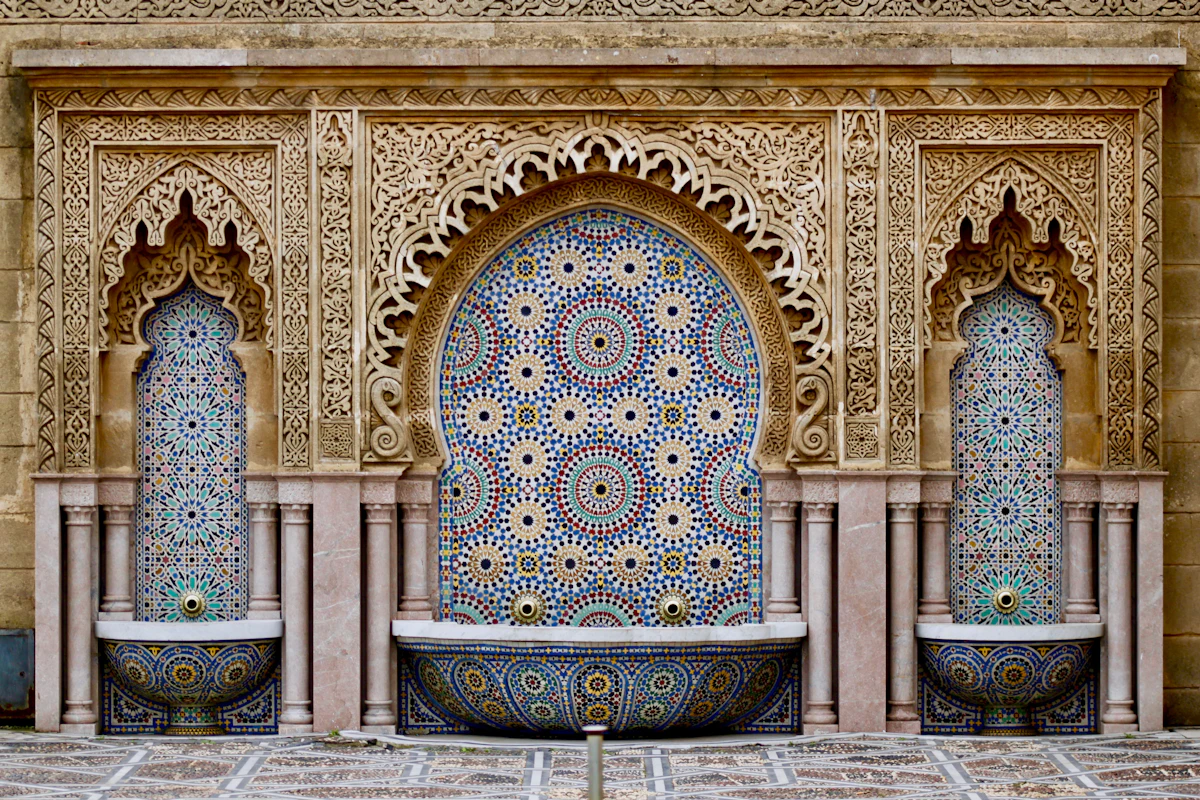
These ancient passages now coexist with digital maps - but the best discoveries still happen when you put the phone down.
Part Five: Major Destinations and Milestones - The Cities, Mountains, and Deserts That Define a Kingdom
Beyond the imperial cities, specific destinations have captivated travelers and rewritten bucket lists. The blue city of Chefchaouen, nestled in the Rif Mountains of northern Morocco, is one of the most photogenic towns on the planet. Its entire medina is painted in varying shades of blue - from powder sky to deep indigo - creating a dreamlike atmosphere. The origins of the color scheme are debated: some say Jewish refugees introduced the practice in the 1930s, using blue to symbolize the sky and heaven; others suggest the blue helps repel mosquitoes or keeps homes cool. Whatever the reason, the effect is magical. Beyond photography, Chefchaouen offers excellent hiking in the surrounding Rif Mountains and is famous for its goat cheese and woven blankets.
Casablanca, Morocco's economic powerhouse, surprises visitors with its cosmopolitan energy. The Hassan II Mosque, completed in 1993, is the largest mosque in Africa and the seventh-largest in the world, with a minaret soaring 210 meters into the sky. Perched dramatically on a promontory overlooking the Atlantic Ocean, its interior can accommodate 25,000 worshippers, while the esplanade can hold an additional 80,000. The intricate craftsmanship - hand-carved stone, gilded cedar, ornate marble - is breathtaking. It is one of the few mosques in Morocco that non-Muslims can visit. The Corniche area offers beach clubs, restaurants, and nightlife along the oceanfront.
Essaouira, the "Windy City" on the Atlantic coast, offers a refreshing contrast to inland intensity. Its UNESCO-listed medina is compact and walkable, with whitewashed buildings and blue shutters. The Skala de la Ville - the old Portuguese sea ramparts - offers panoramic ocean views. The bustling fishing port is a photographer's paradise, and the fresh seafood is exceptional. Essaouira has long been a haven for artists and musicians; the annual Gnaoua World Music Festival draws international performers for a celebration of the mystical Gnaoua musical tradition.
Tangier, perched at the northwestern tip of Africa where the Mediterranean meets the Atlantic, has captivated artists, writers, and travelers for decades. Its medina cascades down steep streets toward the sea. The Kasbah offers stunning views across the Strait of Gibraltar to Spain. The legendary Café Hafa, perched on cliffs overlooking the sea, has been serving mint tea since 1921. Tangier's literary legacy is profound: Paul Bowles, Tennessee Williams, William S. Burroughs, and Jack Kerouac all spent significant time here.
Part Six: The Sahara Desert and Atlas Mountains - The Landscapes That Silence the Soul
No trip to Morocco is complete without venturing into the Sahara Desert. The vast expanse of golden sand dunes stretching toward the Algerian border represents one of the world's most iconic landscapes. The primary gateway is the village of Merzouga, located near the impressive Erg Chebbi dunes - some of which tower over 150 meters high. A typical Sahara excursion involves a camel trek into the dunes during the late afternoon, arriving at a Berber camp in time to witness the spectacular sunset. After a traditional dinner of tagine and mint tea, guests gather around a campfire under an impossibly starry sky. The night is spent in comfortable tents before waking early to watch the sunrise over the dunes. It is an experience that stays with you forever. Sandboarding, quad biking, and 4x4 dune bashing are popular add-on activities.
The Atlas Mountains form the dramatic backbone of Morocco, stretching over 2,500 kilometers. For trekkers and nature lovers, the High Atlas range offers some of North Africa's most spectacular hiking terrain, with peaks exceeding 4,000 meters. Mount Toubkal (4,167 meters) is the highest peak in North Africa and a bucket-list climb for many adventurers. The standard two-day ascent from Imlil is challenging but not technical. The Ourika Valley, just an hour from Marrakech, offers gentler day hikes through orchards and past waterfalls. The Ait Bougmez Valley, known as the "Happy Valley," provides multi-day trekking opportunities through pristine landscapes. One of the greatest joys of trekking is the opportunity to experience Berber hospitality in village guesthouses (gîtes), sharing meals with local families and gaining insight into a way of life that has endured for centuries.

A camel caravan crosses the Erg Chebbi dunes at sunset. In this moment, the modern world recedes.
Part Seven: Moroccan Cuisine - A Flavor Odyssey Through Tagines, Spices, and Street Food
Moroccan cuisine is rightly celebrated as one of the world's great culinary traditions. It is a cuisine of patience and layering - slow-cooked tagines infused with aromatic spices, fluffy couscous steamed to perfection, and delicate pastries dripping with honey. The interplay of sweet and savory, the use of preserved lemons and olives, and the fragrant presence of cumin, cinnamon, saffron, and ginger create flavors that are unmistakably Moroccan.
Tagine - named after the conical clay pot in which it's cooked - is the national dish. Slow-simmered meat is combined with vegetables, dried fruits, nuts, and aromatic spices. Popular variations include chicken with preserved lemon and olives, lamb with prunes and almonds, and kefta (meatball) tagine with eggs. Couscous, traditionally served on Fridays, consists of steamed semolina grains topped with a vegetable and meat stew. Pastilla, a sweet-savory pie of shredded pigeon or chicken layered with almonds and wrapped in crispy warqa pastry, dusted with cinnamon and powdered sugar, is a festive delicacy. Street food is a vital part of the landscape: harira (a hearty tomato-based soup with lentils and chickpeas), msemen (flaky square pancakes), beghrir (spongy semolina pancakes), and b'ssara (creamy dried fava bean soup). In coastal cities, fresh grilled sardines are ubiquitous. And no discussion of Moroccan cuisine would be complete without mentioning mint tea - sweet, refreshing, and served with ceremonial flourish throughout the day.
One of the most rewarding travel experiences is taking a cooking class. Many riads and specialized cooking schools offer half-day or full-day courses that include a visit to a local market to shop for ingredients, followed by hands-on instruction in preparing a full Moroccan meal. Learning to make your own tagine is a skill - and a memory - you'll treasure long after your trip ends.
Part Eight: Culture, Traditions, and Etiquette - Navigating the Social Landscape
Understanding Moroccan culture enhances your travel experience and shows respect for the local population. Morocco is a Muslim country with deep-rooted traditions, and while it is generally welcoming to foreign visitors, observing certain cultural norms is important. The call to prayer echoes from minarets five times daily, and many Moroccans pause their activities to pray. During the holy month of Ramadan, Muslims fast from dawn to sunset. While tourists are not expected to fast, eating, drinking, and smoking in public during daylight hours is considered disrespectful. Many restaurants catering to tourists remain open discreetly, but mindfulness is appreciated.
Dress code: Morocco is relatively liberal compared to some Muslim countries, but modesty is still appreciated. For both men and women, clothing that covers shoulders and knees is recommended, especially in rural areas and religious sites. Women traveling solo may feel more comfortable dressing conservatively. In beach towns, swimwear is acceptable on the beach but not in town. Social customs reflect deep values of hospitality. If invited into someone's home, bring a small gift - pastries, dates, or sugar are appreciated. Always remove your shoes before entering a home. When greeting, a handshake is common between people of the same gender; between men and women, wait for the woman to extend her hand first. Using the right hand for eating, greeting, and passing objects is considered polite, as the left hand is traditionally reserved for personal hygiene.

A classic chicken tagine with preserved lemons and olives - food is the universal language of Moroccan hospitality.
Part Nine: Shopping in the Souks - The Art of the Deal
Shopping in Morocco's souks is an adventure in itself - a sensory-rich experience that involves navigating narrow alleys, haggling with charismatic vendors, and discovering treasures. From handwoven carpets to intricate metalwork, the quality and variety of Moroccan craftsmanship are extraordinary. Moroccan carpets - particularly Berber rugs from the Atlas Mountains - are among the most prized souvenirs. Each rug tells a story through its patterns and symbols, representing the weaver's tribe and personal history. Leather goods, from supple babouche slippers to satchels and jackets, are abundant. Ceramics and pottery, particularly the blue-and-white designs from Fes and the colorful patterns from Safi, make beautiful decorative pieces. Argan oil, produced exclusively in southwestern Morocco, is prized for its culinary and cosmetic uses. Lanterns, metalwork, spices, and textiles round out the most popular purchases.
Bargaining is expected in Moroccan souks - it's part of the cultural exchange. Start by offering roughly 40-50% of the initial asking price, then negotiate with good humor toward a middle ground. Don't be afraid to walk away; this often triggers a better offer. The goal is a fair price that satisfies both parties. In fixed-price government shops (Ensemble Artisanal), bargaining is not appropriate.
Part Ten: Adventure Activities - Beyond the Cultural Trail
Beyond its cultural riches, Morocco offers a playground for adventure enthusiasts. The Atlantic coast between Essaouira and Agadir offers world-class surf breaks for all levels. Taghazout and Imsouane are legendary spots with consistent waves year-round. The Todra Gorge and the Anti-Atlas region provide excellent rock climbing routes. The High Atlas trails offer thrilling mountain biking descents. Several locations offer tandem paragliding flights with stunning aerial views. The dunes of Erg Chebbi and Erg Chigaga provide perfect slopes for sandboarding. The waters off Essaouira and Agadir teem with tuna, swordfish, and marlin for deep-sea fishing enthusiasts.
Part Eleven: Accommodation - Riads, Kasbahs, and Desert Camps
Morocco offers accommodation options for every budget and style, but the quintessential experience is staying in a riad. These traditional guesthouses, typically located within medina walls, are built around a central courtyard and feature intricate tilework, carved plaster, and a rooftop terrace. Riads range from simple, family-run affairs to ultra-luxurious boutique properties with plunge pools and gourmet restaurants. Dars are similar but typically smaller. Kasbahs - traditional fortified residences found in rural areas - have been converted into stunning hotels, particularly around Ouarzazate and the Dades Valley. For those seeking modern luxury, international chain hotels and sprawling resorts are available in Marrakech, Casablanca, and Agadir. Budget travelers will find clean, affordable hostels in major tourist centers, while desert camps offer the unique experience of sleeping under canvas in the Sahara. Book riads in advance during peak seasons, confirm whether your riad is accessible by car, and look for properties with rooftop terraces and mountain or medina views.
Part Twelve: Getting Around Morocco - Trains, Buses, and Grands Taxis
Morocco's transportation infrastructure has improved dramatically. The country boasts Africa's first high-speed rail line, an extensive network of comfortable intercity buses, and well-maintained highways. The ONCF (Moroccan National Railway) operates an efficient rail network connecting Marrakech, Casablanca, Rabat, Fes, Tangier, and Meknes. The Al Boraq high-speed service between Tangier and Casablanca cuts travel time to just over two hours. Trains are comfortable, reasonably priced, and generally punctual. For destinations not served by rail, CTM and Supratours offer reliable, air-conditioned coaches with online booking. Renting a car provides maximum flexibility for exploring the Atlas Mountains, the desert, and coastal routes. Petit taxis operate within urban areas and are metered; grand taxis travel between towns. Shared grand taxis depart when full and are an affordable way to travel short intercity routes.
Part Thirteen: Budget and Money-Saving Tips
Morocco is one of the most affordable travel destinations in the Mediterranean region. A budget traveler can comfortably get by on $30-$45 per day, including hostel accommodation, street food meals, and public transportation. A mid-range traveler staying in decent riads, eating at restaurants, and taking occasional guided tours should budget $70-$120 per day. Luxury travelers can expect to spend $200-$500+ per day. Travel during the shoulder or low seasons (October-November, February-March) to secure lower accommodation rates. Eat where locals eat - small neighborhood restaurants and street food stalls offer delicious meals for a fraction of tourist-restaurant prices. Use public transportation rather than private transfers. Book desert tours and day trips upon arrival in Morocco rather than through international agencies, as local operators offer significantly better rates. Carry cash (Moroccan dirhams), as many smaller establishments do not accept credit cards.
Part Fourteen: Safety and Practical Tips
Morocco is generally a safe country for travelers, with a strong police presence in tourist areas and low rates of violent crime. However, petty crime and scams targeting tourists do exist. Be wary of unofficial guides who offer to show you around the medina and then demand payment. Fake tour guides may claim that streets are closed or that you're going the wrong way. In Jemaa el-Fnaa, henna artists may grab your hand and start applying henna before you've agreed on a price. Taxi drivers sometimes overcharge tourists; insist on the meter or agree on a fare before departing. Tap water is generally not recommended for drinking; stick to bottled water. Travel insurance covering medical expenses is strongly advised. Pharmacies are well-stocked in cities. For remote areas and desert treks, carry a basic first-aid kit. Morocco has no mandatory vaccinations for most travelers, but being up-to-date on routine vaccines is wise.

The mesmerizing blue streets of Chefchaouen - every corner offers a perfect photo and a moment of peace.
Part Fifteen: Sample Itineraries - From One Week to a Full Month
7-Day Classic Route: Marrakech, Desert, and Fes. Day 1: Arrive in Marrakech, explore Jemaa el-Fnaa. Day 2: Full day in Marrakech - Bahia Palace, Majorelle Garden, souks. Day 3: Depart for desert via Ait Benhaddou and Dades Valley. Day 4: Arrive Merzouga, camel trek into Erg Chebbi, night in desert camp. Day 5: Sunrise in dunes, travel to Fes via Todra Gorge and Ifrane. Day 6: Full day exploring Fes medina - tanneries, medersas, souks. Day 7: Depart from Fes.
10-Day Grand Tour: Imperial Cities and Coast. Days 1-2: Marrakech. Day 3: Travel to Essaouira. Day 4: Essaouira exploration. Day 5: Travel to Casablanca, visit Hassan II Mosque. Day 6: Rabat day trip, onward to Chefchaouen. Day 7: Chefchaouen - the Blue City. Day 8: Travel to Fes. Day 9: Full day in Fes. Day 10: Depart from Fes or extend to Tangier.
14-Day Complete Morocco. Combine the classic route with Chefchaouen, Tangier, and Essaouira for a comprehensive journey covering all of Morocco's highlights. This extended itinerary allows for a more relaxed pace, with two-night stays in most destinations and time to venture off the beaten path.
Part Sixteen: Festivals and Events Calendar
Morocco's festival calendar offers wonderful opportunities to experience vibrant cultural traditions. The Gnaoua World Music Festival (June, Essaouira) is a spectacular celebration blending African, Berber, and Arabic influences. The Rose Festival (May, Kelaat M'Gouna) celebrates the rose harvest with parades and music. The Marrakech International Film Festival (December) attracts international film stars. The Date Festival (October, Erfoud) celebrates the date harvest with folk music and dancing. The Tan-Tan Moussem is a UNESCO-recognized gathering of nomadic tribes featuring camel races and traditional music. The Fes Festival of World Sacred Music (June) brings together spiritual music traditions from around the globe in stunning historic venues.
Part Seventeen: Photography Tips for Morocco
Morocco is a photographer's paradise - the quality of light, the richness of colors, and the diversity of subjects create endless opportunities. However, cultural considerations are important. Many Moroccans, particularly women and older individuals, are uncomfortable being photographed. Always ask permission before taking someone's portrait. In some cases, a small tip may be requested - negotiate this beforehand. Avoid photographing military installations, police stations, and official buildings. Drones are subject to strict regulations. The golden hours - shortly after sunrise and before sunset - provide the most flattering light. The blue streets of Chefchaouen photograph beautifully in soft morning light. The Sahara dunes are most dramatic at sunset. Jemaa el-Fnaa is best captured from one of the surrounding rooftop cafés during the transition from day to night.
Part Eighteen: Sustainable Travel in Morocco
As tourism continues to grow, the importance of sustainable travel practices becomes ever more critical. Stay in locally-owned riads rather than international chain hotels to ensure your money benefits the local economy. Hire local guides - they provide invaluable insight while supporting community livelihoods. Reduce plastic waste by carrying a reusable water bottle with a filter. Respect water conservation, especially in desert regions where water is scarce. When shopping, buy directly from artisans or cooperatives rather than middlemen. Women's cooperatives producing argan oil, textiles, and crafts are particularly worthy of support. When booking desert experiences, choose operators committed to environmentally responsible practices - those who pack out all waste, use solar power at camps, and treat their camels ethically. The fragile desert ecosystem deserves our respect and protection.

The breathtaking High Atlas Mountains - traditional Berber villages dot terraced valleys. Sustainable travel preserves these landscapes for future generations.
Part Nineteen: Best Time to Visit Morocco
Timing your visit can dramatically shape your experience. Morocco enjoys a Mediterranean climate along the coast, continental conditions inland, and desert extremes in the south. Spring (March to May) is widely considered the best time to visit, with pleasantly warm temperatures and wildflowers carpeting the valleys. The Atlas Mountains are particularly stunning during this period. Autumn (September to November) rivals spring, with golden light that photographers adore and comfortable temperatures for desert excursions. Summer (June to August) can be intensely hot inland; focus on coastal cities and the High Atlas Mountains. Winter (December to February) brings chilly nights but pleasant daytime temperatures in Marrakech and the possibility of skiing at Oukaimeden in the Atlas Mountains. For the optimal balance, plan your visit for mid-April to early May or late September to mid-October - these shoulder-season windows offer the best of everything Morocco has to offer.
Part Twenty: The Unexplored Morocco - How Much Remains Unknown?
Despite the millions of tourists who visit each year, the uncomfortable truth is that the vast majority of authentic Morocco remains unexplored by travelers. The often-cited statistic that most visitors never leave the Marrakech-Fes-Chefchaouen circuit is still approximately correct. When we ask "how much of Morocco is unexplored," we mean the deep cultural, culinary, and natural experiences - the family homes, the remote mountain villages, the hidden Atlantic coves - that exist beyond the guidebook pages. The vast majority of Morocco's 36,000+ villages remain unvisited. No tourist has systematically sampled the street food of every neighborhood in Casablanca, nor trekked every valley of the Anti-Atlas. The Rif Mountains beyond Chefchaouen, the eastern regions near the Algerian border, and the deep Sahara beyond Merzouga represent frontiers where tourism infrastructure is minimal and the experience is raw and genuine.
There are mysteries that persist despite decades of tourism. The prehistoric rock art of the Draa Valley, some dating back 5,000 years, depicts chariots and riders in a landscape now too arid for such transport - hinting at a greener Sahara past. The underground irrigation systems (khettara) that have sustained desert oases for centuries are engineering marvels that most travelers never see. The Gnawa musical tradition, with its trance-inducing rhythms and sub-Saharan roots, carries encoded histories of the trans-Saharan slave trade that scholars are still decoding. These unknowns are not just gaps on a tourist map; they are potential sources of new understanding about human resilience, cultural fusion, and the adaptability of civilization. Morocco is a library of living traditions, and most travelers have read only the first few pages.

The magnificent Hassan II Mosque - Africa's largest, dramatically situated on the Atlantic coast. A symbol of Moroccan ambition and artistry.
Part Twenty-One: The Future of Morocco Travel - Where Do We Go from Here?
The next decades will transform Morocco travel from a seasonal activity into a continuous, digitally enhanced, and democratized cultural exchange. The trend is toward immersive, community-based tourism: constellations of small, interconnected riads and guesthouses that report availability in real time, cooking classes taught by grandmothers in their own kitchens, and guided walks led by the sons and daughters of the medina. The Moroccan government's "Vision 2030" for tourism emphasizes sustainability, cultural authenticity, and the dispersal of visitors beyond the honeypot cities. High-speed rail will extend to Marrakech and eventually Agadir, compressing travel times and opening new regions.
Digital tools will become more autonomous and culturally intelligent. AI-powered translation will bridge the language gap more seamlessly, allowing deeper conversations between travelers and locals. Virtual and augmented reality will allow potential visitors to preview a riad room, a desert camp, or a medina alleyway before booking, reducing disappointment and building anticipation. The "digital nomad" visa programs, already tested in other countries, may find a home in Moroccan coastal towns like Essaouira and Dakhla, bringing a new generation of long-stay visitors who contribute to the local economy while working remotely. However, the challenge will be to manage growth without sacrificing the very authenticity that attracts visitors. Over-tourism in Chefchaouen and parts of Marrakech is already a cautionary tale. The future will require intelligent capacity management, perhaps through reservation systems for popular sites, incentives for off-season travel, and investment in lesser-known destinations like the Figuig oasis, the Lagoon of Khenifiss, or the medieval granaries of the south.
Part Twenty-Two: Frequently Asked Questions
Is Morocco safe for solo female travelers? Yes, with caveats. Many women travel solo in Morocco without incident, but unwanted attention is common. Dressing conservatively, wearing sunglasses, walking with confidence, and firmly ignoring harassment helps. Staying in reputable riads, avoiding deserted streets at night, and connecting with other travelers for certain activities can enhance safety.
What currency is used in Morocco? The Moroccan Dirham (MAD) is the national currency. It is a closed currency, meaning it cannot be taken out of the country in significant amounts. ATMs are widely available. Euros are sometimes accepted in tourist areas, but the exchange rate may not be favorable.
What languages are spoken in Morocco? Arabic and Berber (Amazigh) are the official languages. French is widely spoken in business, education, and tourism. English is increasingly common in tourist areas, especially among younger Moroccans. Spanish is spoken in the northern regions.
Can non-Muslims visit mosques in Morocco? Generally, no. The Hassan II Mosque in Casablanca is the notable exception - it welcomes non-Muslim visitors. Other mosques are restricted to Muslims, though you can admire their exteriors.
Is Wi-Fi available in Morocco? Yes, Wi-Fi is widely available in riads, hotels, cafés, and restaurants. Connection speeds are generally good in cities. Consider purchasing a local SIM card for reliable mobile data while traveling between destinations.
What should I pack for Morocco? Lightweight, modest clothing that covers shoulders and knees; a scarf or pashmina; comfortable walking shoes; a light jacket or sweater for cool evenings; sunscreen and a hat; and modest swimwear for coastal destinations or riad pools.
Part Twenty-Three: Conclusion - The Journey from Surface to Souk Continues
We have traveled from the Phoenician trading posts of the Atlantic coast to the high-speed trains connecting modern Moroccan cities, from the charts of medieval Arab geographers to the real-time Instagram stories of travelers discovering hidden riads. Morocco travel is the story of human curiosity, a mirror of our desire to connect with a culture that is still foreign to us in the ways that matter most. Over centuries, we transformed the kingdom from a fearful unknown at the edge of the known world to a mapped tourist circuit, and only recently to a deep, living cultural space as rich as any ancient civilization. Every new tool - the guidebook, the GPS, the translation app, the local friend - peeled back a layer of obscurity.
Yet we are humbled. Morocco remains one of the most culturally complex destinations accessible to Western travelers, and 80% of its authentic experiences are still unexplored by the average visitor. The recent discoveries of hidden riad gardens, women's cooperatives producing award-winning argan oil, and the warmth of a family invitation to share couscous on a Friday remind us that paradigm shifts are not behind us; they are happening right now. The medina is not a museum but a vibrant, complex network that sustains community and holds clues to human resilience. At the same time, we face a race against our own impact. The plastic in the desert, the overcrowded viewpoints, the commodification of hospitality - these are the consequences of thoughtless tourism. Exploration without respect is merely consumption.
But there is hope. The convergence of technology, sustainable practices, and global awareness is unprecedented. The growth of community-based tourism is drawing a picture of Morocco that every traveler will someday study. The High Seas Treaty and Morocco's own environmental initiatives give a framework to protect what we are only now discovering. The next generation of Morocco travelers - whether they navigate by smartphone or by the stars - will inherit both a fragile cultural landscape and the most powerful toolkit ever assembled to understand and preserve it.
Morocco's final frontier is not a place but a state of mind: a commitment to continuous discovery, to the humility that the more we learn, the more we realize we do not know. As the Berber proverb says, "A guest is a gift from God." Exploring Morocco is not a luxury; it is an act of curiosity, respect, and love for a kingdom that has welcomed travelers for a thousand years. The journey from the surface of the main square to the depths of the medina is far from over. It is just beginning in earnest.
The medina is calling. We must listen.

We stand at the edge of our comfort zone, looking into the golden light, knowing that the unknown is not empty - it is full of life waiting to welcome us.