PLANET FORWARD EDITORIAL - Special Report
The Year the World Stopped Just Talking: How 2026 Became the Dawn of the Climate Adaptation Age
For decades, the global conversation around climate change was dominated by mitigation. In 2026, that conversation fundamentally changed. This is the year seawalls rose, rivers were given back to floodplains, and crops were genetically redesigned not just for yield, but for survival. A revolution built on concrete, mangroves, early‑warning satellites, and the stubborn determination of communities that refused to be erased by fire, flood, or drought.
For decades, the global conversation around climate change was dominated by mitigation - the urgent, necessary battle to cut greenhouse gas emissions and prevent the worst of a warming world. In 2026, that conversation fundamentally changed. While the clean energy transition accelerates faster than most analysts predicted, the reality of locked‑in climate impacts has forced every nation, every city, and every community to face an uncomfortable truth: we have entered the Age of Adaptation. This is the year seawalls rose, rivers were given back to floodplains, and crops were genetically redesigned not just for yield, but for survival. It is a year that will be studied by historians, engineers, and survivors for centuries to come.
This is not merely an environmental story. It is a narrative of civil engineering, human migration, economic transformation, and profound social justice. A revolution built not on protest signs alone, but on concrete, mangroves, early‑warning satellites, and the stubborn determination of communities that refused to be erased by fire, flood, or drought. The 2026 adaptation movement has already begun to reshape coastlines from Jakarta to Jacksonville, and farming practices from the Sahel to the Punjab. This article maps the frontlines of that revolution, exploring the innovations, the heartbreaks, the staggering costs, and the fragile hope that defines our planetary response to the climate crisis.
For official climate data and reports visit: Intergovernmental Panel on Climate Change and UN Climate Change
The Tipping Point We Didn't Want to Reach
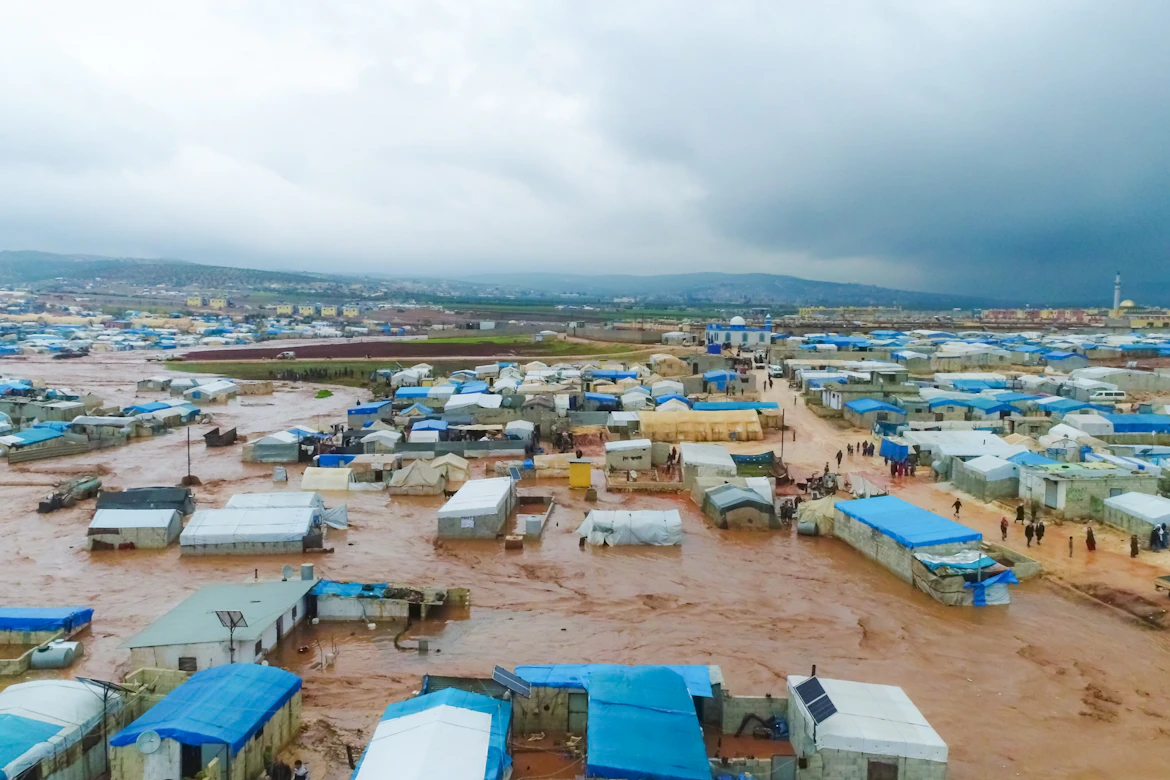
Scientists had long warned that beyond a certain threshold, the climate crisis would shift from a future threat to a present emergency. In 2026, a cascade of extreme events erased any remaining doubt. The “Great Atlantic Hurricane Season” shattered records with 24 named storms, while catastrophic flooding in South and Southeast Asia displaced 19 million people in a single monsoon. Simultaneously, a “heat dome” of unprecedented duration settled over the Mediterranean, turning forests from Greece to Portugal into tinderboxes and killing thousands of elderly residents who lacked access to cooling. These events were not anomalies; they were the new baseline, and they forced a brutal global recalibration.
The financial toll alone was staggering. Munich Re estimated global insured losses from natural disasters in 2026 at $380 billion, with total economic damages exceeding $1.1 trillion. But beyond the numbers, a psychological shift occurred. Polling across 28 nations revealed that for the first time, a majority of people believed climate change would “severely impact their own life within the next five years.” This sharp rise in perceived personal threat broke the political logjam that had paralyzed adaptation funding for years. Governments that had viewed sea walls as expensive “future projects” suddenly faced voters watching their own streets turn into rivers on the nightly news.
The shift was not only defensive. A new global economic narrative took hold: adaptation as the greatest infrastructure and innovation opportunity of the 21st century. The Global Commission on Adaptation updated its influential report, estimating that every dollar invested in climate resilience could yield up to ten dollars in avoided losses, economic benefits, and social co‑benefits. That arithmetic finally penetrated finance ministries and sovereign wealth funds. Adaptation bonds, once a niche product, exploded into a $400 billion market, funding everything from mangrove restoration in Mozambique to the redesign of stormwater systems in Chicago. The era of simply “building back” after disasters was over; the mantra became “build forward, or don't build at all.”

Cities That Chose to Fight Water with Water
The most visible symbols of the adaptation age are the great coastal cities reinventing their relationship with the sea. For decades, the standard response to rising waters was the “hard” barrier: massive concrete seawalls and surge gates. While such structures still have a place, 2026 marked the triumph of a more nuanced philosophy often called “living with water.” The Netherlands, long the global exemplar, exported its expertise at an unprecedented scale, designing projects that give rivers and tides controlled space rather than fighting them outright.
In New York City, the long‑awaited “Big U” project, a system of berms, deployable floodwalls, and elevated parklands wrapping around Lower Manhattan, finally became fully operational. Its design intentionally blurs the line between protective infrastructure and public space: on sunny days, children play on grass‑covered berms that are engineered to hold back a 12‑foot storm surge. When Post‑Tropical Storm Olwen struck in September, the newly completed sections prevented an estimated $9 billion in damages, vindicating the $3.5 billion investment and turning the park‑barriers into internationally recognized icons of resilience.
Halfway around the world, Jakarta told a more urgent story. Sinking at a rate of up to 25 centimeters per year in some districts due to groundwater extraction, the Indonesian capital has become the world's most dramatic case study in climate‑driven relocation. By 2026, the first government ministries had completed their move to Nusantara, the new purpose‑built capital on the island of Borneo. The relocation is fraught with environmental controversies of its own - the construction carves into primary rainforest - yet it underscores a reality that hundreds of coastal communities will face: retreat is not always defeat. Jakarta will not be abandoned entirely, but its future now lies in a massive “sponge city” overhaul, with thousands of new infiltration wells, restored mangroves, and canals being transformed into vibrant urban wetlands.
Rotterdam, Copenhagen, and Bangkok all accelerated their cloudburst management plans - networks of sunken plazas, green roofs, and underground cisterns that capture sudden deluges and release them slowly. The technology is not new, but the 2026 hurricane seasons finally broke through the bureaucratic inertia. As the mayor of one low‑lying city put it, “We used to present these plans as visionary. Now we present them as the bare minimum to keep our bond ratings stable.” The credit rating agencies had, indeed, started to downgrade cities without robust adaptation plans, creating a powerful financial incentive that proved more persuasive than any environmental plea.

Agriculture Redesigned: From Drought‑Proofing to Salt‑Tolerant Rice
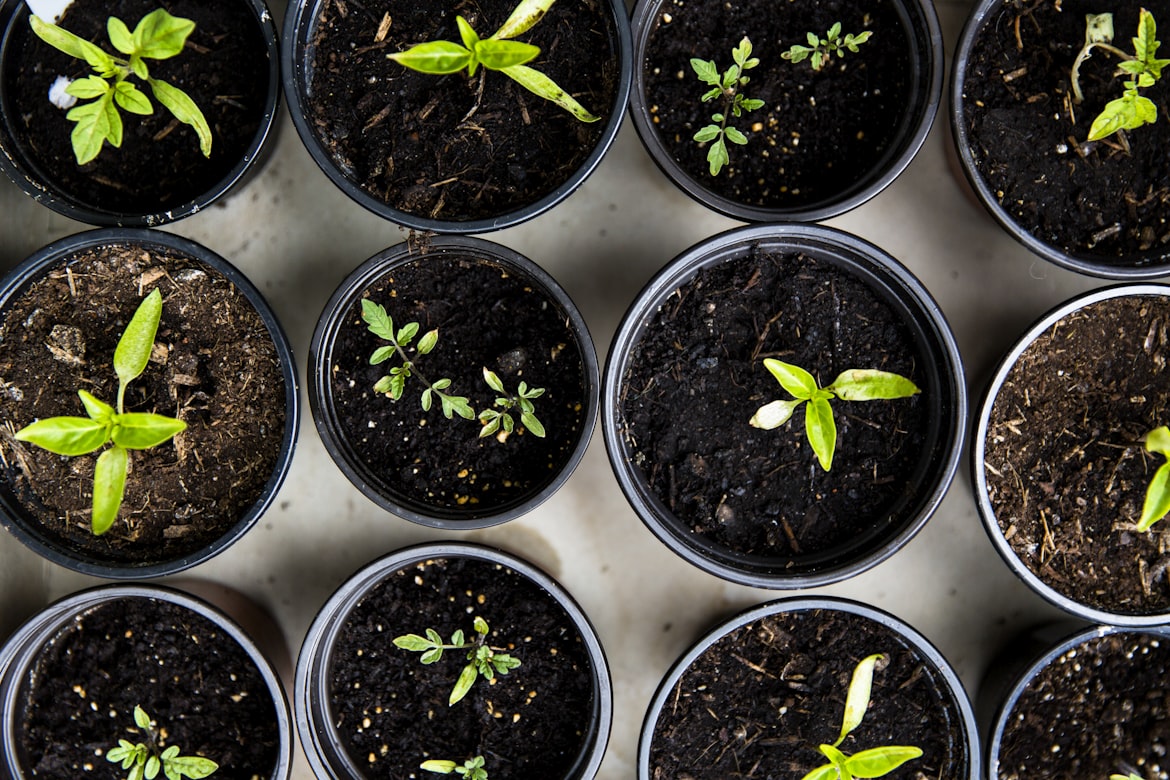
Farmers are on the front line of adaptation, and in 2026 their battlefields looked dramatically different than a generation ago. Prolonged droughts in the Horn of Africa and the American Southwest, combined with saltwater intrusion poisoning fertile deltas from Vietnam to Louisiana, forced a revolution in what we grow and how we grow it. The solution was not a single silver‑bullet crop, but a mosaic of innovations that together represent the most significant agricultural transformation since the Green Revolution.
In Kenya, smallholder farmers widely adopted a drought‑tolerant maize variety developed through gene‑editing techniques like CRISPR, which arrived in their fields not through multinational corporations but through an African‑led public research consortium. Yields in semi‑arid regions rose by up to 60% compared to traditional varieties during the dry 2025-26 season. In parallel, an ancient grain called fonio, almost forgotten by global markets, experienced a renaissance across the Sahel due to its natural tolerance to poor soils and erratic rainfall. Governments in Senegal and Mali actively promoted its cultivation, and fonio began appearing in European supermarkets as a “climate‑resilient superfood.”
The most dramatic agritech story of 2026, however, unfolded in Bangladesh. Scientists at the International Rice Research Institute, working with Bangladeshi institutions, released a new variety of rice capable of withstanding submersion for up to three weeks and tolerating moderate salinity. Dubbed “Sonar Bangla” (Golden Bengal), the rice was planted on over 2 million hectares in its first year, turning formerly unproductive coastal paddies into harvestable land again. The breakthrough was as much social as scientific: the seed distribution was paired with community‑based flood forecasting and micro‑insurance schemes that gave farmers the confidence to invest in a crop even while the monsoon loomed.
In the high‑tech realm, vertical farming continued its rapid expansion, not just for leafy greens but for calorie staples. A pilot facility in the UAE, using desalinated water and solar‑powered grow lights, successfully produced a wheat crop with yields per square meter 200 times that of open‑field farming. While still energy‑intensive and costly, the geopolitical implications of a desert nation achieving grain self‑sufficiency were impossible to ignore. Adaptation, it became clear, would be a complex dance between hyper‑modern technology and the rediscovery of the hardiest traditional crops.
The Great Unseen Migration and the Politics of Retreat
Climate adaptation is not only about holding the line; increasingly, it is about moving people out of harm's way. The World Bank's updated Groundswell report, released in early 2026, projected that without urgent action, climate change could force 216 million people to move within their own countries by 2050. Already in 2026, the internal displacement figures were grim: 32 million new displacements due to weather‑related disasters were recorded, the highest annual total yet. But the report also made clear that with well‑planned adaptation and managed retreat, this number could be reduced by up to 80%.
“Managed retreat” - the planned relocation of communities from high‑risk areas - has long been a taboo concept in many political systems, often associated with the trauma of forced removal. In 2026, that taboo began to break, replaced by a fragile new consensus: retreat, when done with dignity and community consent, can be a form of power, not surrender. Fiji led the way, continuing its pioneering program of relocating coastal villages to higher ground. The village of Vunidogoloa had already become a global template; by 2026, twelve more Fijian communities had completed their journey inland, each relocation guided by meticulous consultation and cultural preservation protocols that ensured burial grounds and sacred sites were moved or memorialized.
In the United States, the “climate abandonment” of risky areas accelerated along multiple fronts. The Federal Emergency Management Agency (FEMA) dramatically expanded its buyout programs, purchasing repeatedly flooded homes at pre‑disaster market value - a shift from earlier policies that often left families underwater financially as well as physically. Louisiana's Coastal Master Plan continued to resettle entire island communities such as Isle de Jean Charles, while simultaneously pouring billions into sediment diversions that are rebuilding natural land in the Mississippi Delta. The juxtaposition of retreat and restoration in the same state became a powerful metaphor for the adaptation age: some places can be saved, some must be surrendered, and wisdom lies in knowing the difference.
The political tensions were unavoidable. Receiving communities, often struggling with their own economic challenges, resisted the arrival of “climate migrants.” In some regions, integration programs funded by national governments helped smooth the transition; in others, resentment simmered. The adaptation era thus became inseparable from the broader struggle for housing justice, equitable infrastructure investment, and the right to stay versus the right to leave. As one displaced community leader put it, “We are not refugees. We are pioneers of the future that everyone will eventually have to face.”
Nature as Infrastructure: The Restoration Economy
Perhaps the most hopeful dimension of the 2026 adaptation surge was the mainstreaming of “nature‑based solutions.” For years, ecologists argued that protecting and restoring ecosystems could provide cheaper, more resilient protection than concrete. In 2026, that argument finally won over the treasuries. Projects that had been considered alternative or experimental - oyster reef breakwaters, urban forests, floodplain reconnection - became standard components of national infrastructure plans, backed by hard‑nosed cost‑benefit analyses.
On the Gulf Coast of the United States, a string of oyster reef restoration projects reached maturity, demonstrating their dual function: reducing wave energy before it hits fragile shorelines while also filtering water and providing habitat for fisheries. Engineers who once dismissed “green” infrastructure as decorative published peer‑reviewed studies showing that a well‑designed oyster breakwater could reduce annual erosion costs by 40% compared to a rock revetment, with the added benefit of producing a harvestable oyster population. The insurance industry took notice, with some coastal insurers offering premium discounts to properties behind natural defense systems.
In Europe, the “Room for the River” philosophy that had proven itself on the Rhine and Meuse was exported wholesale. Countries from Poland to Portugal began dismantling obsolete dikes and allowing rivers to meander across their historic floodplains. The results were transformative: not only reduced flood risk for downstream cities, but a blossoming of wetland biodiversity that had not been seen in generations. Birders and ecotourism operators celebrated the return of spoonbills, storks, and otters to landscapes that had been channelized and drained for centuries. The restoration economy became a significant employer: in the United Kingdom alone, the rewilding sector employed over 30,000 people by 2026, from ecologists and hydrologists to the construction crews operating heavy machinery to remove concrete channels.
Forests, too, were reframed not just as carbon sinks but as critical adaptation assets. The Great Green Wall initiative across the Sahel, while still far from its ambitious goals, accelerated its pace with over 18 million hectares restored by mid‑2026. More importantly, the approach shifted from simple tree planting to “farmer‑managed natural regeneration” - a low‑cost technique where farmers protect and nurture existing root systems, allowing native trees to resprout. This method proved far more successful in drylands than planting imported saplings, and its adoption rippled across India, Niger, and Ethiopia. The message was clear: sometimes the most effective adaptation is simply to step back and let nature heal itself, with a little human help.

Early Warning Systems and the Satellite Shield
While engineers and ecologists reshaped the physical world, a quieter revolution unfolded in orbit and in data centers. 2026 was the year that universal early warning systems, long a UN priority, moved from aspiration toward reality. The ambitious “Early Warnings for All” initiative, backed by the World Meteorological Organization, connected new satellite constellations, ground sensor networks, and mobile‑phone alert systems to ensure that every person on Earth is protected by a lifesaving warning by 2027. In 2026, major milestones proved the concept's deadly seriousness.
When Cyclone Amara bore down on the coast of Mozambique in March, an AI‑enhanced forecast model gave residents of Beira a full 72 hours of specific notice - a dramatic improvement over the 24‑hour warning that preceded Cyclone Idai in 2019, which killed over 1,300 people. This time, an orchestrated evacuation moved 180,000 people to shelters before the storm made landfall. The death toll was reduced to single digits. The difference was not just the technology, but the institutional investment: trained local disaster committees, SMS alert chains, and prepositioned supplies that turned a forecast into effective action.
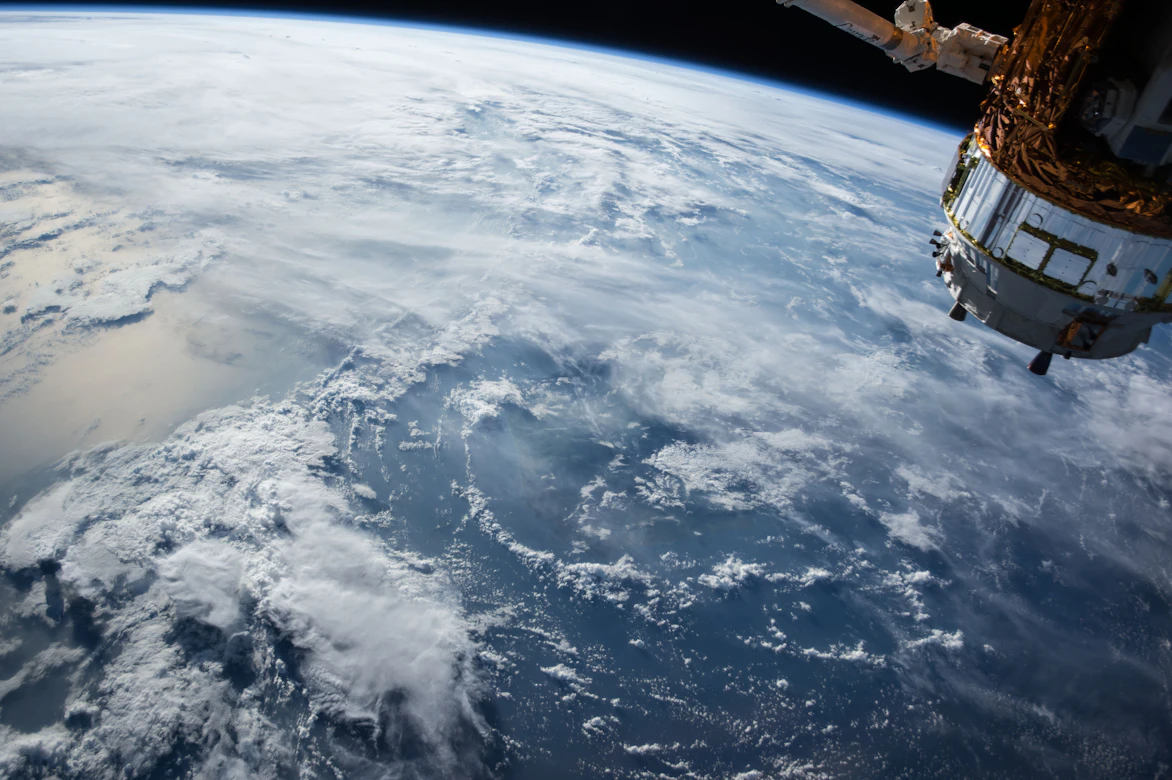
Satellite technology reached a new peak with the launch of the “Sentinel‑Climate” constellation, a public‑private partnership that provided open‑source, high‑resolution monitoring of methane leaks, deforestation, and thermal anomalies in real time. For adaptation planners, the game‑changer was the ability to monitor soil moisture at field scale, allowing for hyper‑local drought forecasts that informed both emergency food aid and crop insurance payouts. In Ethiopia, the satellite‑based index insurance program expanded to cover 5 million pastoralists, automatically triggering cash transfers when vegetation indices fell below a critical threshold. No claims forms, no delays - just data‑driven solidarity.
Artificial intelligence also moved beyond buzzword status to become a practical adaptation tool. City governments from Chennai to Santiago deployed AI models trained on historical flood data, lidar topography, and real‑time rainfall readings to predict street‑level inundation and dynamically route emergency services. The Google flood forecasting initiative, which had proven itself in India, expanded to cover 80 countries, sending flood alerts directly to smartphones. In the new climate reality, a simple “there is a 90% chance your street will flood in two hours” message became as vital as a weather forecast had been for previous generations.
Finance at the Crossroads: The Loss and Damage Reality
No discussion of 2026 adaptation can avoid the contentious, agonizing question of who pays. The Loss and Damage Fund, established with such emotional fanfare at COP27 in Sharm el‑Sheikh, finally began its operational phase in 2026. The fund, designed to compensate vulnerable nations for climate impacts that cannot be adapted to, had been mired in procedural and political battles. Its initial capitalization of $3.2 billion - from a mix of wealthy nations, innovative taxes on shipping emissions, and a small solidarity levy on fossil fuel windfall profits - was simultaneously historic and woefully inadequate relative to the estimated $580 billion annual loss and damage needs by 2030.
The fund's first real‑world test came in the aftermath of Cyclone Amara and the concurrent Sahel drought. Disbursement decisions were agonizingly slow, as board members debated definitions of “irrecoverable loss” and the metrics for “cultural harm.” Yet, for the first time, money explicitly acknowledged as a form of climate liability flowed to nations that bore negligible responsibility for the crisis. In Tuvalu, funds were used to document and digitize cultural heritage at risk from sea‑level rise, creating a virtual repository of songs, stories, and genealogies - an acknowledgment that loss is not only economic. In Malawi, loss and damage payments funded the relocation and psychological support for farming families whose ancestral lands had been rendered permanently uncultivable by erosion and aridification.
The financial sector itself underwent a profound shift. The Network for Greening the Financial System, a coalition of over 140 central banks, issued new guidance requiring commercial banks to stress‑test their loan portfolios against specific adaptation scenarios. A mortgage on a beachfront property without a robust flood resilience plan no longer qualified for favorable capital treatment. Green bonds and sustainability‑linked loans expanded beyond mitigation projects to explicitly include adaptation categories, with issuance hitting $1.2 trillion globally. Adaptation had been fully absorbed into the grammar of global capitalism, for better and worse. Critics rightly noted the risk of “adaptation‑washing,” where cosmetic resilience features were used to justify business‑as‑usual development in high‑risk zones. The battle over what truly counts as adaptation would define finance for the rest of the decade.
Learn more about climate finance: Green Climate Fund
The Justice Imperative: Adaptation Is Not Neutral
The adaptation revolution of 2026 was not a universally benign story. It carried within it the seeds of deepening inequality if not explicitly steered toward justice. Climate gentrification - the process by which resilience investments raise property values and displace the very communities they are meant to protect - became a documented phenomenon in cities from Miami to Mumbai. In Little Haiti, Miami, a neighborhood long settled by working‑class immigrants on high ground safe from sea‑level rise, real estate speculation intensified as wealthy residents fled the flood‑prone coast. The adaptation response required not just infrastructure, but anti‑displacement policies: community land trusts, rent controls, and “right‑to‑return” guarantees.
At the global scale, the imbalance in adaptive capacity remained stark. While the Netherlands could afford to spend billions on delta management and Singapore invested in dual‑mode drainage and desalination, small island developing states (SIDS) faced existential threats with a fraction of the resources. Tuvalu's “digital twin” - a meticulous 3D scan of the entire nation to preserve its geography and sovereignty even if the physical islands are lost - moved the world not just with its technological brilliance but with its tragic necessity. The project's leader, speaking at a 2026 UN event, said quietly, “We are building an ark. We would rather not need an ark.”
Gender, too, emerged as a central axis of adaptation justice. Research published in *Nature Climate Change* in early 2026 confirmed that women in climate‑vulnerable regions are disproportionately affected by adaptation failures - yet remain profoundly underrepresented in planning and engineering roles. Initiatives like “Women's Climate Centers” in Bangladesh, which serve as cyclone shelters, skills‑training hubs, and reproductive health clinics simultaneously, proved their immense value. The lesson of 2026 was clear: adaptation that does not intentionally center equity will, by default, reinforce the very patterns of marginalization that climate change exploits. Every dollar, every policy, every design must be interrogated: resilient for whom?

The Psychology of Adaptation: Mourning, Hope, and Action
Beneath the engineering reports and financial instruments lies a vast emotional landscape that the world only began to navigate seriously in 2026. Climate psychologists described a global population grappling with “solastalgia” - the distress caused by environmental change impacting one's home environment. Therapists reported a surge in eco‑anxiety and what some called “adaptation fatigue”: the exhaustion of constantly preparing for the next disaster without time to process the last one.
Communities that had gone through relocation or repeated shocks developed their own cultural responses. In Fiji, the traditional ceremony of “sevusevu” - a ritual of welcome and mourning - was adapted to bless the ground of new village sites and bid farewell to the old. In Louisiana, an annual “Water Remembrance Day” was inaugurated, blending Catholic and Indigenous traditions to honor lost landscapes and loved ones. These rituals were not mere symbolism; researchers found that communities with strong cultural continuity through the adaptation process exhibited significantly lower rates of post‑traumatic stress and higher collective efficacy.
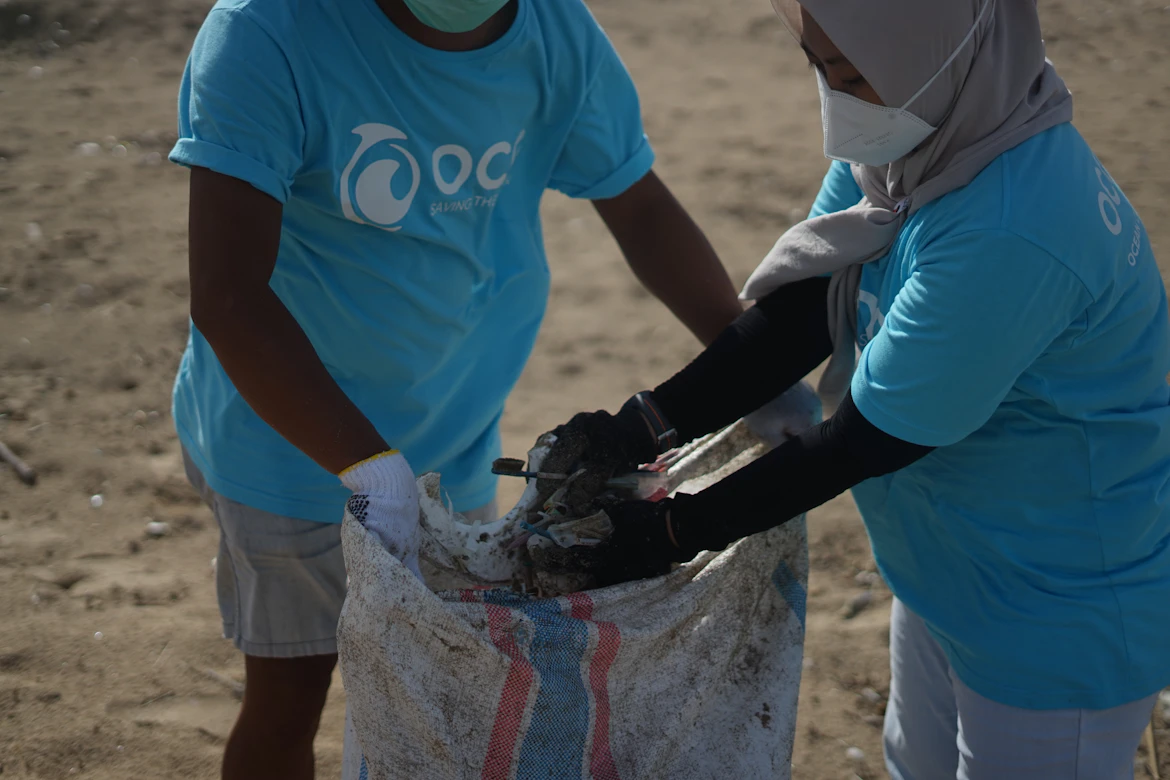
Yet 2026 also witnessed the flowering of a more determined, pragmatic hope - not the naive hope that denies danger, but the active hope that engages with it. The term “adaptive hope” entered the lexicon, describing a mindset that acknowledges the gravity of the crisis while finding purpose in the concrete work of building resilience. Volunteer networks for dune restoration, community seed banks, and mutual aid groups trained in disaster response all expanded exponentially. The adaptation age, for all its grim origins, began to cultivate a new kind of citizenship rooted in solidarity and practical care for place and neighbor. As one community organizer in flood‑ravaged Pakistan reflected, “The water took our homes, but it also washed away the walls between us.”
Innovation Showcase: Twelve Adaptation Breakthroughs of 2026
The year was marked by a flurry of technological and social innovations that promised to reshape adaptation for decades to come. A selection of the most impactful reveals the breadth of the revolution:
1. Self‑Healing Concrete for Coastal Defenses: A bio‑concrete using bacteria that produce limestone when cracks appear. Deployed in Dutch dike reinforcements, it reduced maintenance costs by 35% and extended infrastructure lifespan significantly.
2. Desert “Dew Harvesters”: A low‑tech mesh system refined in Morocco and the UAE that captures moisture from morning fog and dew, providing up to 50 liters of potable water per day for remote, arid communities.
3. AI‑Driven Crop Diversification Advisors: Mobile apps that integrate soil, weather, and market data to recommend optimal crop rotations for resilience. In India, the “Sathi” app reached 15 million smallholder farmers in 2026, with early data showing a 22% reduction in crop failure risk.
4. Floating Schools: Following Bangladesh's lead, flood‑prone regions of Nigeria and Cambodia constructed schools on buoyant platforms that rise with floodwaters, ensuring education continuity. Over 400 such schools operated globally by year's end.
5. Heat‑Reflective Urban Coatings: A special paint applied to roads, roofs, and pavements in Phoenix, Arizona, and Seville, Spain, reduced surface temperatures by up to 8°C during heatwaves, directly preventing heat‑related hospitalizations.
6. Parametric Micro‑Insurance for Pastoralists: Satellite‑linked insurance in Kenya and Ethiopia paid out over $80 million automatically when drought indices were triggered, allowing herders to buy supplemental feed before their animals starved.
7. Coral IVF and Reef Restoration: The Great Barrier Reef's annual mass coral spawning was amplified by conservationists collecting spawn and rearing larvae in floating nurseries, then releasing them onto degraded reef patches. Survival rates tripled in pilot sites.
8. Community‑Owned Solar Microgrids: In Puerto Rico, still rebuilding from past hurricanes, over 200 solar microgrids were installed in 2026, designed to island themselves from the main grid during storms, keeping critical services running.
9. Salt‑Tolerant Drinking Water Wells: In the Mekong Delta, new well designs using reverse‑osmosis powered by solar arrays provided clean water to villages where saltwater intrusion had poisoned traditional sources.
10. Glacial Lake Outburst Flood Monitors: In the Himalayas and Andes, networks of sensors and cameras monitored unstable glacial lakes, sending real‑time alerts. An early warning in Peru saved an entire valley town in November 2026.
11. Urban Food Forests: Instead of ornamental trees, cities from Melbourne to Nairobi planted public orchards and nut groves, designed to provide free nutrition, shade, and community gathering space as heatwaves intensified.
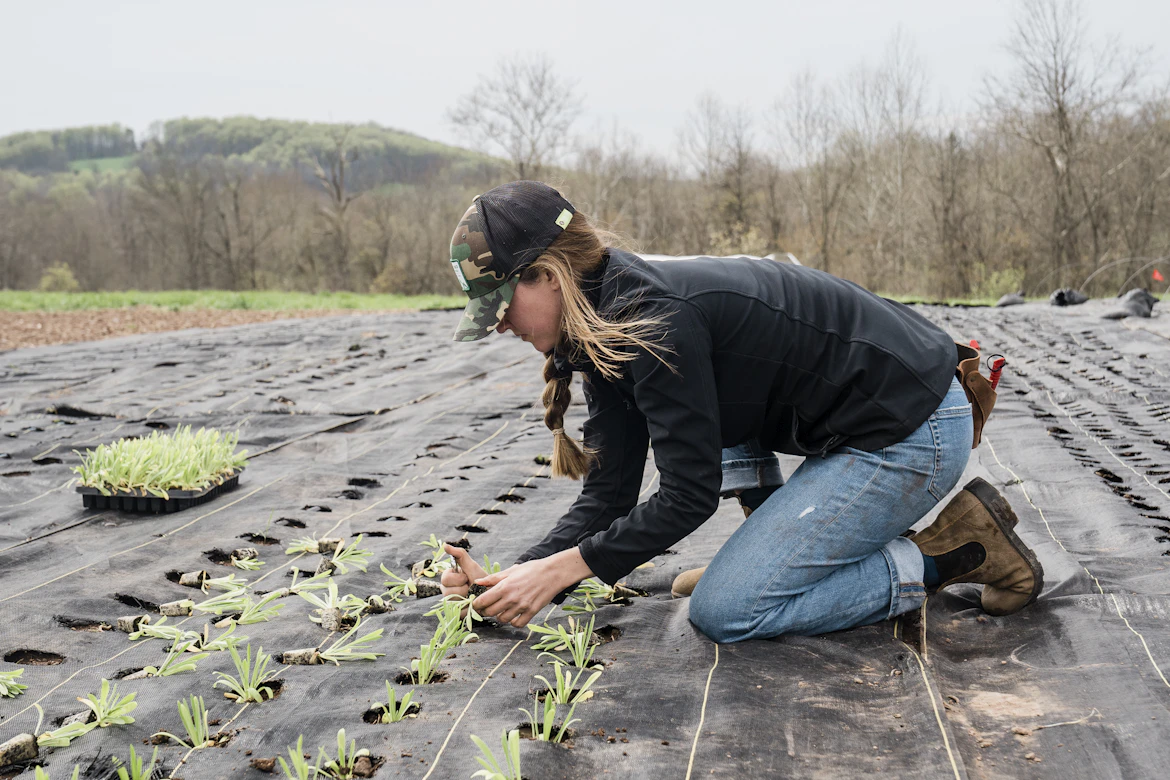
12. The “Climate Corps” Workforce: Multiple nations, led by the United States and Germany, established national service programs focused on restoration, retrofitting, and resilience education, putting over 250,000 young people to work in adaptation roles.
Looking Ahead: The Adaptation Agenda Beyond 2026
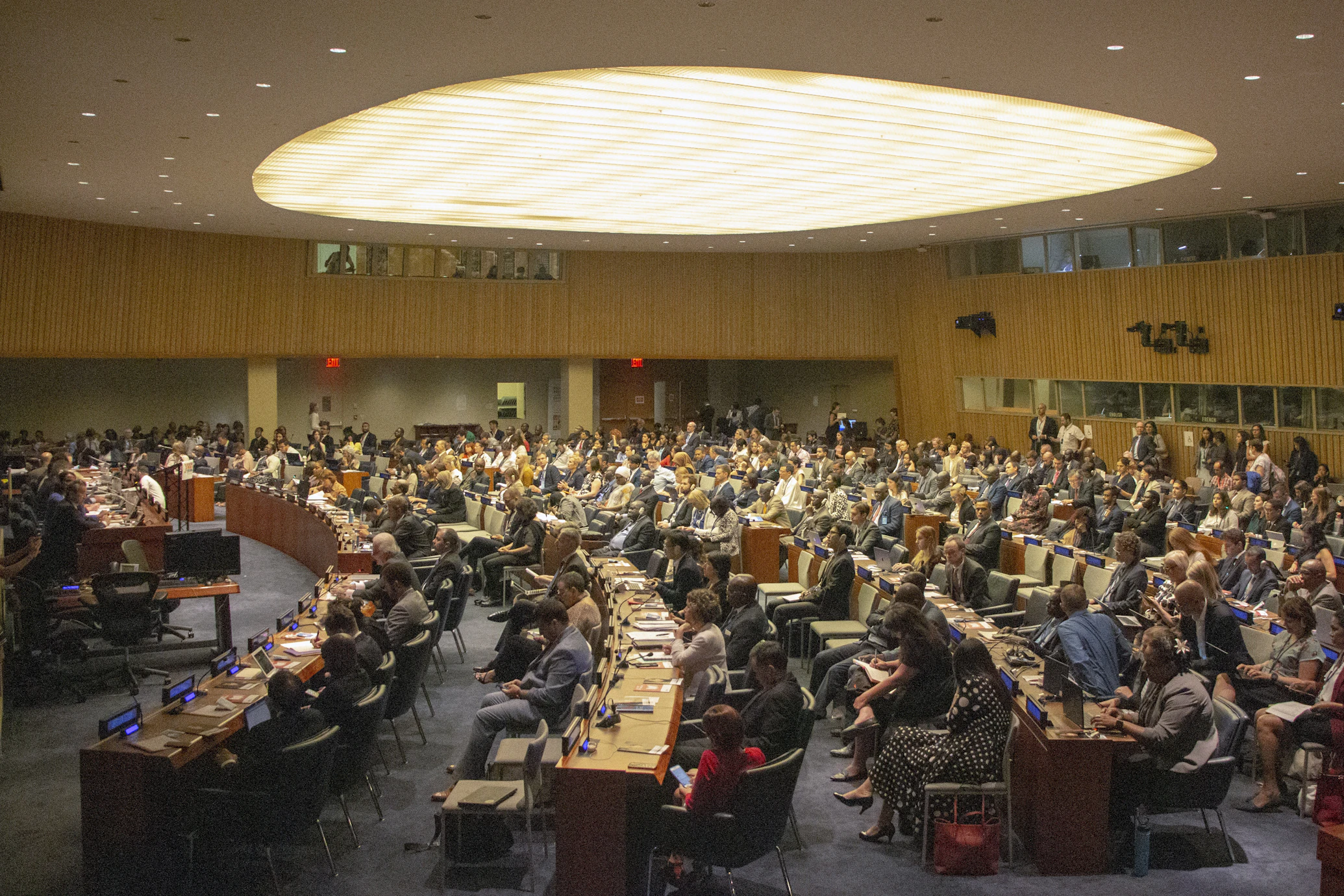
As 2026 draws to a close, the adaptation age is not a destination but a permanent condition. The UN Secretary‑General's Global Adaptation Summit, held in Nairobi in November 2026, produced the “Nairobi Compact” - a commitment by 120 nations to integrate adaptation into every ministry's mandate, not just environment departments. The Compact's most radical provision was a pledge to conduct “adaptation audits” for all major public investments, ensuring that schools, hospitals, and transport systems are built to withstand the climate of 2050, not 1990.
The challenges ahead are immense. The gap between adaptation finance needed and finance delivered remains vast. The pressures of geopolitical conflict and economic instability constantly threaten to divert attention and resources. And the hard truth is that even the most successful adaptation has limits; some losses - a species, a glacier, a community's ancestral home - cannot be adapted to, only mourned. The task, then, is to navigate with clear eyes and a determined heart: to save what can be saved, to transform what must be transformed, and to hold fast to the human bonds that no storm can wash away.
What the adaptation revolution of 2026 ultimately demonstrated is that humanity is not passive in the face of a heating world. We are capable of astonishing ingenuity, of profound solidarity, and of a resilient love for the places and people that climate change threatens. The story of adaptation is not a story of machines and money alone. It is the story of us - learning, finally, to live with nature rather than against it, and to stand together when the waters rise.

Conclusion: A Planet Reimagined
The year 2026 will be remembered as the moment the world stopped merely hoping that emissions cuts would be enough. It confronted the chaos already baked into its future and answered, imperfectly but courageously, with shovels, satellites, seeds, and solidarity. The adaptation age is messy, expensive, and ethically fraught. It is also the most profound act of collective responsibility our species has ever attempted. The concrete and the mangroves, the early warnings and the relocated villages, the salt‑tolerant rice and the young people of the Climate Corps - they are not a surrender to climate change. They are a declaration that we will not abandon each other to it.
The work of adaptation will continue for generations. It will redefine our maps, our economies, and our stories. The 2026 chapter of that great work closed not with a sense of completion, but with a stubborn, clear‑eyed momentum. The world had changed, but so had the world's response. And in that tension between loss and action, between grief and ingenuity, the adaptive human spirit discovered its most formidable power: the refusal to look away, and the will to build a livable future on the planet we still have.