THE SLOW LIVING INSTITUTE - Special Feature
The Slow Living Revolution: Reclaiming Time, Presence & Purpose in a Hyperconnected World
Over 5000 words of deep lifestyle wisdom: from digital detox to mindful mornings, minimalism to slow travel. The complete guide to escaping the speed trap and designing a life that feels as good as it looks.
It starts with a single, unremarkable moment: you are stirring your morning coffee, steam curling into the kitchen light, and instead of savoring the aroma, you are already scrolling. Your thumb moves before your lips have touched the cup. The news, the notifications, the endless cascade of other people's highlights - they occupy the space that was once reserved for you. This is the quiet theft of modern life. We have exchanged depth for speed, presence for productivity, and stillness for the relentless hum of dopamine-chasing loops. But a counter-movement is rising - not with fury, but with intention. The slow living revolution is not about doing nothing. It is about doing what matters, at a human pace, with your whole heart present. More than 5000 words later, this is the complete, unflinching, and hopeful guide to reclaiming your time, your attention, and your aliveness.
In 2026, the word "busy" has become a badge of honor and a silent epidemic. The World Health Organization declared burnout a legitimate occupational phenomenon. The average adult now spends over 7 hours daily on screens, and anxiety rates have tripled since the dawn of the smartphone era. And yet, against this backdrop of acceleration, millions are quietly stepping off the treadmill. They are practicing digital minimalism, embracing slow Sundays, cooking from scratch, walking without a destination, and saying "no" more than they say "yes." This is not a rejection of ambition - it is a redefinition of success. Welcome to the slow living revolution.

Part One: The Ancient Wisdom - What Slow Living Really Means
Long before the term "slow living" entered the lexicon, humans understood the rhythm of seasons, the necessity of rest, and the art of lingering. Ancient philosophies from Stoicism to Buddhism, from Taoism to Indigenous traditions, all emphasized presence, simplicity, and the cultivation of inner peace over external accumulation. The Greeks had a word, "eudaimonia" - flourishing through virtue and meaningful activity, not through ceaseless production. In the Christian monastic tradition, the concept of "ora et labora" (pray and work) balanced labor with contemplation, refusing to let work consume the soul. In Eastern thought, wu wei (effortless action) pointed to a way of moving through life without struggle, aligning with the natural flow rather than forcing outcomes. These philosophies converge on a single truth: speed alone does not equal progress.
The modern slow movement was born in the 1980s, when Carlo Petrini protested the opening of a McDonald's in Rome's Piazza di Spagna. His call for "slow food" - food prepared with care, eaten with awareness, and shared with community - expanded into a broader cultural critique. Slow Cities (Cittaslow) emerged, then slow parenting, slow travel, slow fashion, and slow design. At its heart, slow living is a refusal to let speed dictate the quality of your existence. It is the conscious choice to align your actions with your values, even when that means moving against the current. The movement has never been about mere slowness for its own sake. It is about reclaiming agency over the pace of our lives so that we can savor experiences, nurture relationships, and live in accordance with what truly sustains us.
Slow living is not a prescription but a principle: do one thing at a time. Be where you are. Buy less, choose well. Cultivate relationships over transactions. Let your home be a sanctuary, not a showroom. The movement has evolved far beyond its European origins. Today, millions in Tokyo, Melbourne, São Paulo, and Cape Town are reinterpreting slowness for their own cultures. In Japan, the concept of "yutori" (spaciousness) emphasizes leaving gaps in one's schedule. In Scandinavia, "lagom" (just the right amount) and "hygge" (cozy contentment) shape daily rituals. It is, above all, a deeply personal journey - and it begins with a single, honest question: "What am I rushing toward, and why?"
Part Two: The Science of Slowing Down - Why Your Brain Needs Rest
Neuroscience has caught up with ancient wisdom. Your brain is not designed for sustained high-speed processing. The default mode network - the neural system active when you are at rest, daydreaming, or reflecting - is essential for creativity, memory consolidation, and emotional regulation. Yet constant notifications, context switching, and the pressure to perform keep your brain in fight-or-flight mode, flooding your system with cortisol and adrenaline. The result: decision fatigue, anxiety, burnout, and a numbed capacity for joy. When we never allow ourselves to pause, we actually weaken our ability to think deeply and respond wisely. The brain needs periods of low stimulation to integrate information and generate new insights.
Studies from Stanford and Harvard reveal that multitasking reduces productivity by up to 40% and lowers IQ by as much as 10 points. Chronic information overload correlates with reduced gray matter in the prefrontal cortex, the area responsible for decision-making and impulse control. Conversely, intentional pauses - even just 10 minutes of mindfulness daily - have been shown to lower blood pressure, boost immune function, and increase feelings of connection. Slow living is not indulgence; it is biological necessity. Rest is not a reward you earn after exhaustion; it is a prerequisite for sustainable performance and wellbeing.
The concept of "time affluence" - the feeling that you have enough time to rest, to pursue passions, to be with loved ones - is a stronger predictor of happiness than material wealth. Yet in 2026, a global survey found that only 28% of adults feel time affluent. The rest feel chronically behind, even when they are not. This sense of time poverty creates a vicious cycle: we rush, feel depleted, then try to recover with passive screen time that does not truly restore. Slow living is the antidote: it redefines "enough" not as more hours, but as more presence within the hours you already have. It teaches us that quality of time matters infinitely more than quantity of tasks completed.
Part Three: Digital Minimalism - The First Step to Unhooking
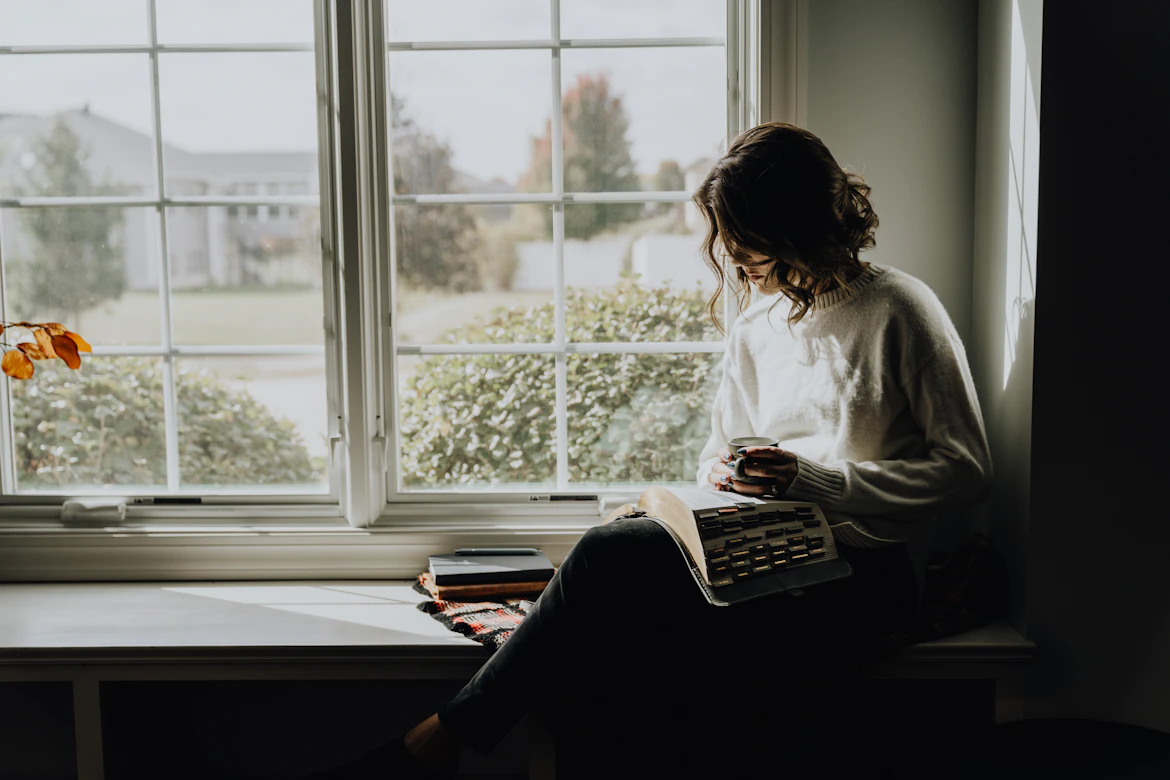
You cannot slow down while the world lives in your pocket. Digital minimalism - a term popularized by Cal Newport - is the practice of using technology intentionally, not compulsively. It begins with a digital declutter: 30 days away from optional online activities. No social media, no news alerts, no YouTube rabbit holes. After the cleanse, you reintroduce only the tools that serve your deepest values. The result is not Luddism but empowerment. You stop being a product for attention merchants and start being a person with agency. You reclaim the power to decide what deserves your finite attention, rather than surrendering it to algorithms designed to exploit your impulses.
The numbers are staggering. The average person checks their phone 96 times per day - once every 10 minutes. Social media platforms are engineered with variable rewards and infinite scroll, hijacking the same dopamine circuits as slot machines. Each notification triggers a tiny hit of anticipation that keeps us hooked. Yet when thousands of participants in digital declutter studies reported their experiences, the most common words were "relief," "clarity," and "calm." Without the constant buzz, they rediscovered boredom - and boredom, it turns out, is the gateway to creativity. They took up hobbies, had deeper conversations, slept better, and felt less envy. They reported feeling more connected to themselves and to the people physically present.
Practical steps to begin today: delete social media apps from your phone (access via browser if needed), turn off all non-essential notifications, charge your phone outside the bedroom, and designate "no-screen zones" (dinner table, bathroom, 30 minutes before bed). Replace scrolling with sitting: just sit, breathe, and watch the light change. It will feel uncomfortable at first. That discomfort is the sound of your dependency dying. Start with small windows of disconnection and gradually expand them. The goal is not total abstinence but a relationship with technology that you control, not one that controls you.
Part Four: Slow Mornings - Redesigning the First Hour
How you start your day sets the tone for everything that follows. A slow morning is not about sleeping in (though rest matters); it is about waking up with intention rather than reaction. The frenetic morning - alarm, phone, notifications, rush - injects stress before you've even stood up. A slow morning, by contrast, protects the first hour as sacred. No screens. No decisions. Just presence. It is a deliberate buffer zone between sleep and the demands of the world, giving your nervous system time to transition gently.
Create a morning ritual that feels nurturing, not performative. It might include: drinking a full glass of water, writing three pages of stream-of-consciousness (Morning Pages from Julia Cameron), stretching or yoga, brewing tea or coffee slowly and drinking it without distraction, reading a few pages of poetry or philosophy, or sitting in silence for 5–10 minutes. The specific activities matter less than the principle: you are the master of your morning, not its servant. Experiment to find what genuinely nourishes you; avoid importing someone else's ideal morning if it feels forced.
Research from the University of California shows that willpower is a finite resource depleted by decisions. A slow morning reduces decision fatigue by establishing simple routines, reserving your cognitive energy for what truly matters. Moreover, morning light exposure helps regulate circadian rhythms, improving sleep quality. The slow morning is not a luxury; it is a performance-enhancing practice for the whole day. Even 15 to 20 minutes of unhurried solitude before the rush can dramatically shift your mental state from reactive to intentional.
Part Five: Work-Life Balance in the Hybrid Era - Boundaries Are Everything
The line between work and life has never been more blurred. Remote and hybrid work have brought convenience, but also the expectation of constant availability. The slow living approach to work is not about quitting your job (unless you want to); it is about establishing fierce boundaries. Define your working hours and honor them. Log off completely. Do not check email after dinner. Turn off Slack notifications on weekends. Your work is important, but so is your sanity - and without sanity, your work will suffer anyway. Boundaries are not walls; they are membranes that protect what you value most while still allowing you to contribute meaningfully.
Slow productivity, a concept from Cal Newport, argues that fewer things done well is better than many things done poorly. It advocates for reducing your active workload at any given time, focusing on one significant task, and building in restorative breaks. The evidence is clear: knowledge workers who take regular, true breaks (not screen breaks) produce higher-quality output and are less likely to burn out. The old hustle culture model - grind until you drop - is being replaced by sustainable excellence. It turns out that working longer hours does not equate to greater output; at a certain point, additional hours yield diminishing returns and increase errors.
If you are an entrepreneur or freelancer, the principles are the same: cap your billable hours, raise your rates to work fewer hours, and say no to clients who demand urgency without reason. Slow living in work means recognizing that your time is the only non-renewable resource. Spend it like the precious currency it is. Learn to differentiate between genuine emergencies and artificially manufactured urgency. Much of what feels urgent is simply someone else's poor planning projected onto you.
Part Six: Intentional Home - Creating a Sanctuary from Clutter
Your environment shapes your inner state. A cluttered, chaotic home filled with forgotten objects and unfinished projects breeds mental fog. Slow living invites you to treat your home as a sanctuary - a place that supports rest, connection, and creativity. This does not mean sterile minimalism (unless that appeals to you). It means keeping only what is useful, beautiful, or meaningful to you. Every object should earn its place. When you walk through your door, you should feel a subtle exhale, not a visual assault of to-do lists represented by scattered possessions.
The practice of decluttering has been popularized by Marie Kondo ("spark joy") and the minimalism movement. But the deeper principle is intentionality: before acquiring anything new, ask yourself where it will live, how often you will use it, and whether it aligns with your vision for your life. Shop less, choose better, and repair rather than replace. Slow living homes evolve slowly - a curated collection built over years, not a weekend haul from a big-box store. The process of letting go can be emotional; objects carry stories and aspirations. Give yourself permission to release items that represent a past self or a future self that never arrived.
Natural materials, soft lighting, plants, and open space all contribute to a calming atmosphere. Reduce plastic, increase wood, cotton, wool, and stone. Let in natural light. Burn a candle. Play quiet music. Your home should feel like a hug, not a museum. And when you walk through the door, leave the outside world outside - including your phone in a designated drawer. A home that embraces slowness is one that adapts to the rhythms of its inhabitants, offering spaces for rest, creativity, and togetherness.
Part Seven: Slow Food & Conscious Eating - More Than Fuel
In the slow living philosophy, eating is never just refueling. It is a sensual, social, and spiritual act. Slow food means cooking from scratch when possible, using whole ingredients, and sharing meals with others. It means sitting down at a table (not a desk, not the couch), chewing deliberately, and tasting each bite. It means reducing processed foods, supporting local farmers, and wasting less. The act of preparing food with your own hands connects you to the earth, to tradition, and to the simple pleasure of creation.
Studies show that people who eat mindfully - paying full attention to the experience of eating - consume fewer calories, digest better, and derive more pleasure from smaller portions. The Mediterranean diet, often cited as the healthiest in the world, is fundamentally a slow food culture: long meals, fresh produce, olive oil, and community. You don't need to move to Italy to adopt the principles. Start with one meal a day that you eat without screens, with gratitude, and with others whenever possible. Put your fork down between bites. Notice the colors, textures, and flavors. Eating slowly allows your body's satiety signals to register, reducing overeating and increasing satisfaction.
Batch cooking on Sundays, growing herbs on a windowsill, visiting a farmer's market, and learning to bake bread are all slow living practices. They reconnect you to the source of your sustenance and to the human rhythms of harvesting, preparing, and sharing. And they taste better - because slowness is flavor. When you know the story behind your food, when you have invested care in its preparation, the meal becomes an experience rather than a transaction.
Part Eight: Slow Fashion & Conscious Consumption
The fashion industry is the second-largest polluter on the planet, and its business model depends on speed: trend cycles measured in weeks, labor exploited, and garments worn three times before being discarded. Slow fashion is the rebellion. It means buying fewer, better-made clothes that you love for years. It means repairing, swapping, thrifting, and valuing quality over quantity. It means knowing who made your clothes and under what conditions. Each purchase becomes a vote for the kind of world you want to live in.
Capsule wardrobes - a small collection of interchangeable, high-quality pieces - are a slow living staple. They reduce decision fatigue, save money in the long run, and eliminate the shame of a bulging closet with nothing to wear. When you do buy new, choose natural fibers (cotton, linen, wool, silk) over synthetics, and support brands that are transparent about their supply chains. Better yet, buy secondhand - vintage and thrift stores are treasure troves of unique, well-made garments. A well-chosen secondhand coat can carry decades of character that no new garment can replicate.
Slow fashion is not about deprivation; it is about delight. Wearing a wool sweater that has been with you for a decade, soft from age and full of memories - that is luxury. The latest fast-fashion trend can never compete. When you buy less, you can afford to buy better, and each piece becomes a long-term companion rather than a fleeting fling.

Part Nine: Slow Travel - Wandering Without Rush
Travel has become a checklist industry: five cities in seven days, selfie sticks at landmarks, and a desperate need to "see everything." Slow travel flips the script. It means staying in one place longer, living like a local, and letting go of the need to optimize every hour. It means train rides over flights, wandering without a map, and real conversations with people who speak a different language. Instead of collecting sights, you collect experiences and connections. You learn the rhythm of a neighborhood, the baker's name, the way light falls on a particular street at dusk.
Research in environmental psychology shows that slow travel produces deeper, more durable memories and greater satisfaction than rushed itineraries. A week in a single village, learning to cook a regional dish and hiking the same trail each morning, often yields more joy than a frantic tour of capital cities. Slow travel is also lower in carbon emissions and supports local economies rather than international chains. It is a form of travel that gives back to the places visited instead of extracting from them.
Practical slow travel: choose one destination for two weeks minimum. Rent an apartment, shop at the local market, learn ten phrases of the language, and take long walks. Plan nothing for some days, and let serendipity guide you. The goal is not to collect stamps on a passport; it is to return home changed, with a broader perspective and a calmer spirit. Allow yourself to be bored in a new place - that boredom often leads to the most authentic adventures.
Part Ten: Mindfulness & Meditation - The Core Practice
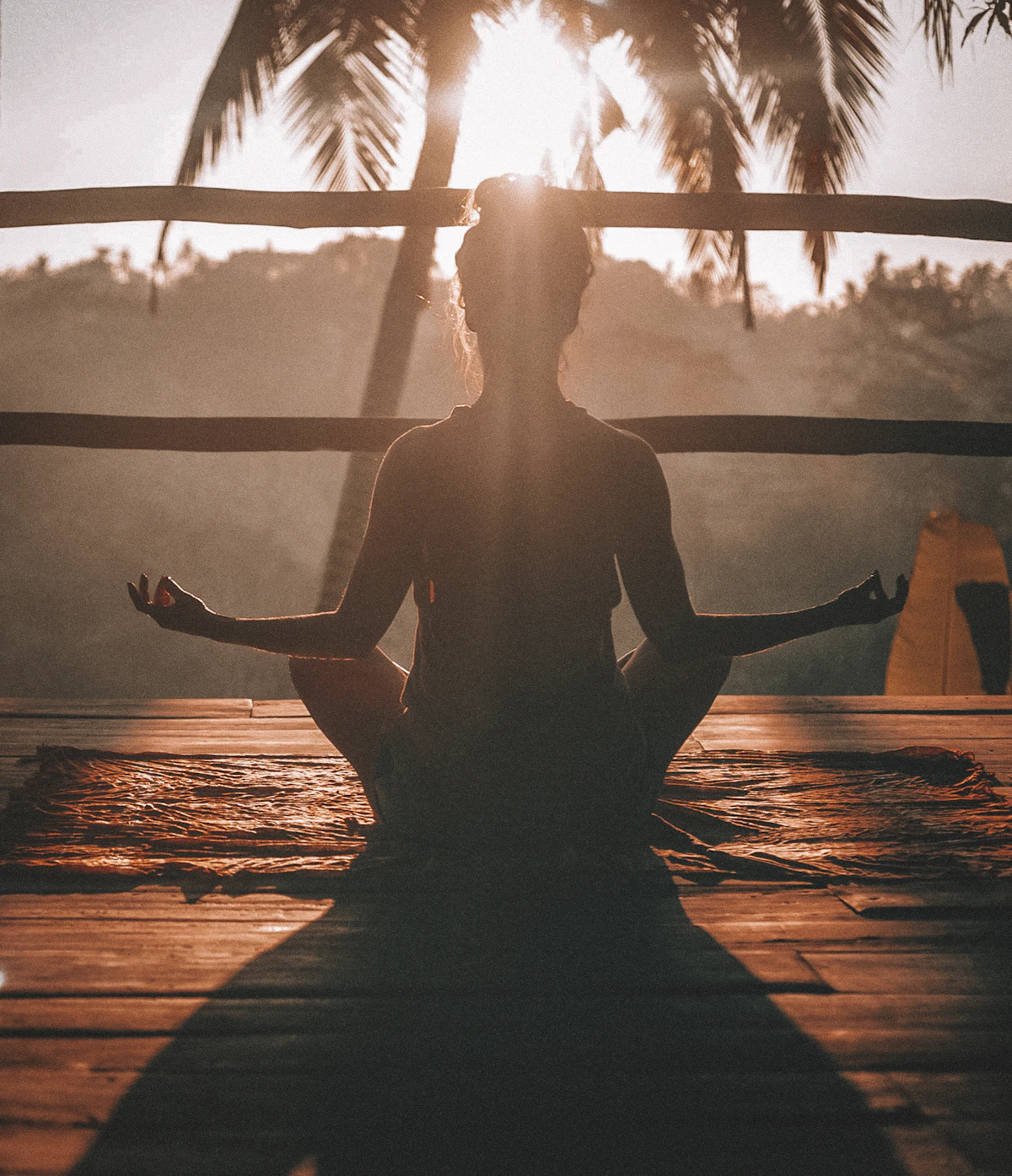
If slow living has an engine, it is mindfulness: the practice of paying attention, on purpose, in the present moment, without judgment. Meditation is the training ground. Just 10–20 minutes daily of sitting in silence, focusing on the breath, and noticing when the mind wanders - this rewires the brain for calm, focus, and compassion. Hundreds of studies confirm the benefits: reduced anxiety, improved immune function, increased emotional regulation, and even structural changes in the brain associated with empathy and resilience.
You do not need to become a monk. Apps like Insight Timer, Calm, and Ten Percent Happier offer guided meditations for beginners. But the essence is simple: sit comfortably, close your eyes, and breathe. When thoughts arise - and they will - gently return to the breath. That returning is the "rep" - the exercise. Over time, the gaps between thoughts grow longer, and you carry that spaciousness into daily life. Washing dishes becomes meditation. Waiting in line becomes a break, not a frustration. Mindfulness transforms mundane moments into opportunities for presence.
Mindfulness also means bringing awareness to everyday activities: walking (feel the ground under your feet), eating (taste every bite), listening (really hear the other person without planning your reply). The slow living revolution happens one mindful moment at a time. Each moment of full presence is a small rebellion against the forces of distraction and hurry.

Part Eleven: Relationships & Community - The Heart of Slowness
No amount of decluttering or meditation will fulfill you if your relationships are shallow or absent. Slow living elevates deep connection over broad networking. It means prioritizing face-to-face time, putting the phone away when with others, and investing in a small circle of trusted people. It means cooking for friends, writing letters, celebrating slowly, and grieving fully. True community is not built in a single gathering but through countless small moments of shared presence.
The pandemic taught us that loneliness is lethal, yet hyperconnection does not cure it. We need a few people who know us truly, not hundreds of followers who see our highlights. Slow living encourages you to say yes to fewer social obligations but to show up fully for the ones that remain. It encourages active listening, vulnerability, and the messy, beautiful work of repairing conflict. And it reminds you that community extends beyond humans: tending a garden, walking a dog, knowing your neighbors by name - these are slow, essential practices of belonging.
Consider a "slow dinner party": three courses, no phones, three hours, and a conversation that meanders. Or a weekly walking meeting with a friend. Or a family game night with zero screens. These are not time-wasters; they are the architecture of a life worth living. They create the shared history and mutual understanding that sustain us through difficult times.
Part Twelve: Slow Parenting - Letting Childhood Unfold
Few areas of life have been more speed-invaded than parenting. Overscheduling, academic pressure from preschool, and the constant comparison on social media have turned childhood into a résumé-building race. Slow parenting (also called "free-range parenting" or "simplicity parenting") is the radical choice to let children play, be bored, explore nature, and learn at their own pace. It trusts that children are naturally curious and do not need a structured activity every hour. Boredom is not the enemy; it is the seedbed of creativity and self-direction.
Research shows that unstructured play is crucial for executive function, creativity, and emotional regulation. Over-scheduled children show higher rates of anxiety and depression. Slow parenting does not mean neglect; it means providing a rich environment and then stepping back. It means fewer toys, more time outside, and family rituals like reading aloud or Sunday pancakes. It also means limiting screens strictly and modeling slow living yourself. Children learn far more from what you do than from what you say.
If you are a parent, the greatest gift you can give your child is not a prestigious kindergarten but your own unhurried attention. Leave the phone in another room when they speak. Lie on the grass and watch clouds. Let them help you cook, even if it makes a mess. Childhood is short; slowness makes it long, stretching moments into memories that will last a lifetime.
Part Thirteen: The Economics of Enough - Financial Slow Living
Slow living extends to money. It does not mean poverty; it means conscious spending aligned with values. The opposite of slow finance is the frantic chase for more - more promotions, more things, more status symbols that never satisfy. Slow finance means defining "enough" for yourself, saving intentionally, and spending on experiences and relationships rather than objects. It means rejecting lifestyle inflation and embracing the freedom of lower overhead. When your expenses are modest, you need less income, which opens the possibility of working less or pursuing more meaningful work.
The FIRE (Financial Independence, Retire Early) movement shares DNA with slow living: reduce expenses, invest the difference, and buy back your time. But you do not need to retire early to benefit. Simply reducing unnecessary subscriptions, cooking at home, repairing rather than replacing, and waiting 30 days before any non-essential purchase can transform your relationship with money. The goal is not deprivation but liberation: the ability to say "no" to work you hate and "yes" to life you love.
Track your spending for one month. You will likely find leaks - small, habitual expenses that add up to thousands. Plug them and redirect that money toward a slow living goal: a weekend retreat, a quality piece of furniture, or simply a buffer that lets you work less. Financial slowness is the foundation of time affluence. It is not about how much you earn but how much you keep and how intentionally you deploy it.
Part Fourteen: Nature as Medicine - The Biophilia Prescription
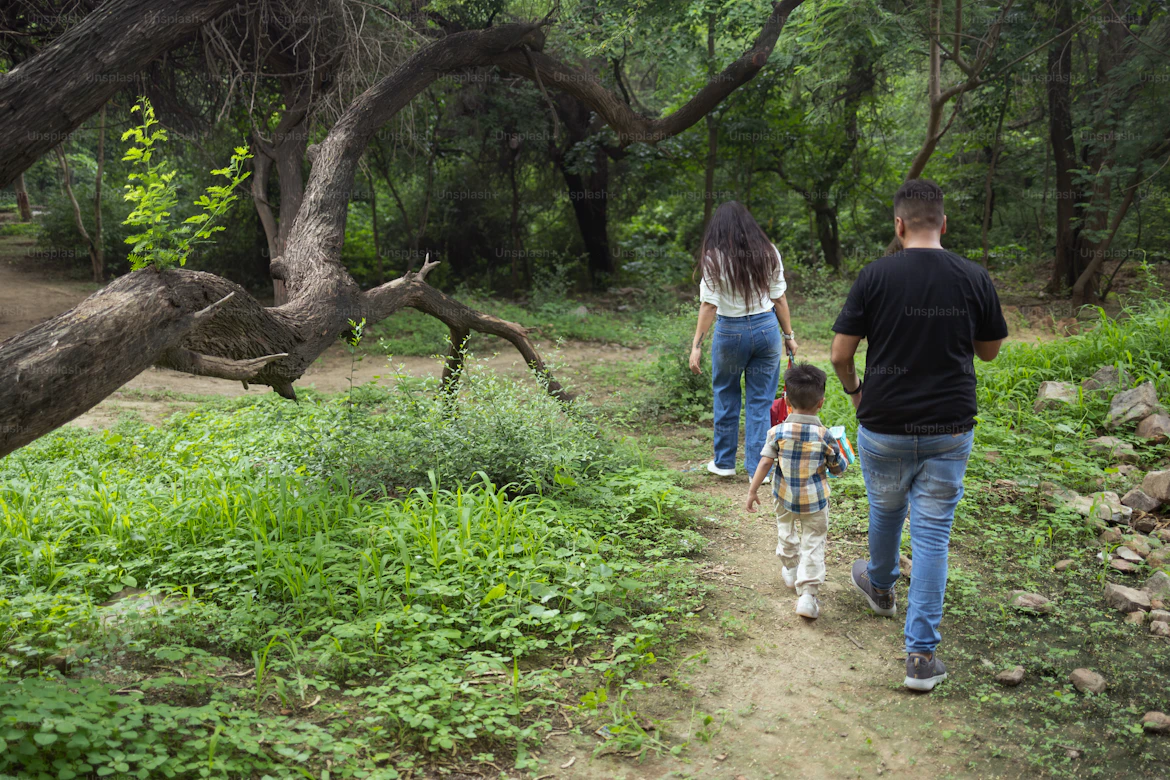
Humans evolved outdoors, but the average person now spends 93% of their time inside. Slow living insists on regular, unhurried contact with nature. Forest bathing (shinrin-yoku), a Japanese practice of mindfully walking in woods, has been proven to lower cortisol, reduce blood pressure, and boost natural killer cells. Even 20 minutes in a city park improves mood and cognitive function. Nature is not a luxury; it is a nutrient. Our bodies are calibrated to the rhythms of natural light, the sounds of birdsong, and the texture of earth underfoot.
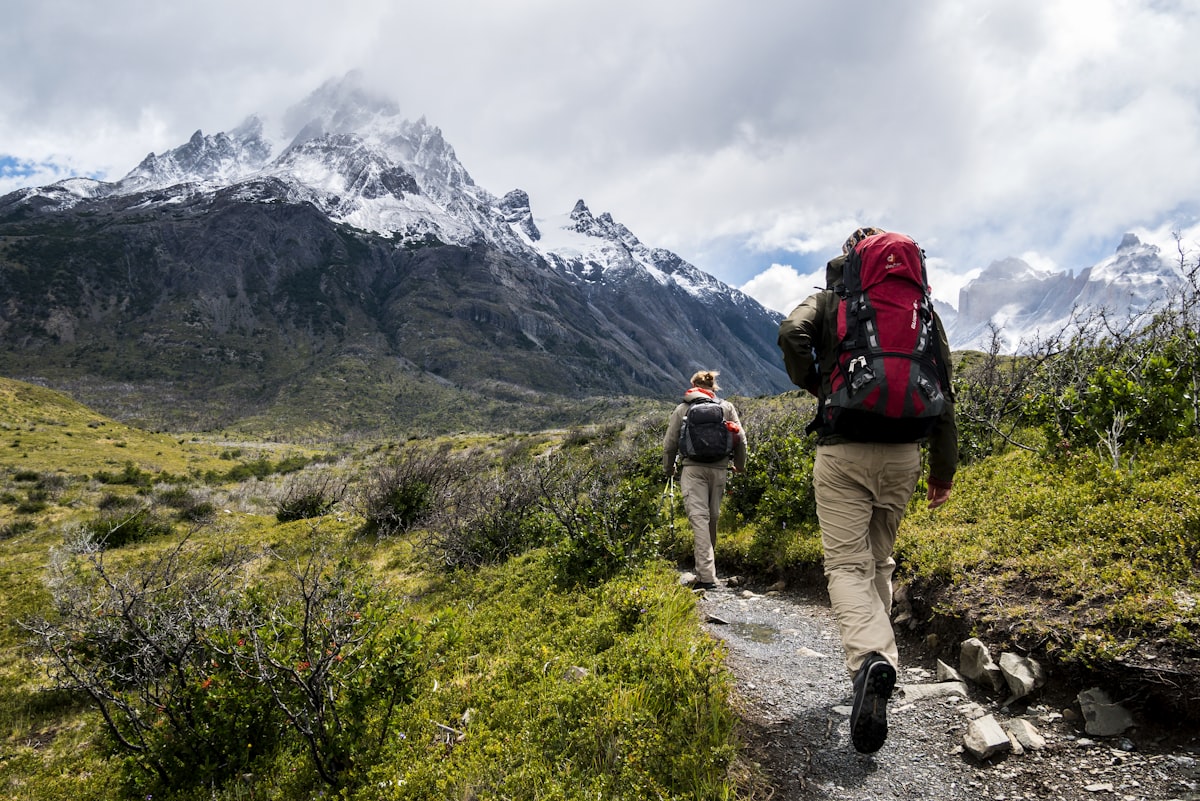
Incorporate green time into your daily rhythm: a morning walk before checking email, lunch outside, gardening, or simply sitting on a balcony with a cup of tea. Weekend hikes, beach days, or camping trips are deeper immersions. Leave the phone behind or on airplane mode. Let the sounds of birds and wind replace the hum of notifications. Nature does not rush, yet everything gets done. It is the ultimate teacher of slow living, demonstrating patience, resilience, and the beauty of cycles.
If you live in a dense city, seek out community gardens, botanical conservatories, or even a single potted plant on your desk. Bring the outdoors in with natural light, open windows, and materials like stone, wood, and wool. Your nervous system will thank you. Regularly touching base with the natural world is not a treat; it is a fundamental component of mental and physical health.
Part Fifteen: Overcoming the Obstacles - Guilt, FOMO, and the Inner Critic
When you first attempt slow living, you will encounter resistance - from within. The voice that says you should be working, that you are falling behind, that everyone else is achieving more. This is the internalized speed culture. Overcome it by reminding yourself: the race has no finish line. Hustle culture is a trap that benefits employers and platforms, not your soul. FOMO (fear of missing out) is a symptom of social media addiction; when you quit comparing, you realize you are missing nothing important. The constant parade of others' curated lives creates an illusion of universal achievement that does not reflect reality.
Start small. Pick one slow practice (e.g., a screen-free dinner) and commit for one week. Notice how it feels. Then add another. Surround yourself with slow living inspiration - books, podcasts, online communities - to normalize the alternative. When guilt arises, ask: "Whose voice is that?" Often it is not your own. Gradually, the inner critic softens, replaced by the quiet satisfaction of a life lived on your own terms. Be patient with yourself; undoing years of conditioning takes time.
Remember that slow living is not perfection. You will have rushed days, scrolling binges, and moments of impatience. That is human. The practice is not to never speed up; it is to keep returning to slowness, like a meditation practice. Each return is a victory. Self-compassion is an essential part of the journey. You are not failing when you get caught up in speed; you are simply noticing the pull, and that noticing is the first step back.
Part Sixteen: Slow Living in 2026 - New Trends and Global Voices
The slow living movement has evolved. In 2026, we see "slow productivity" entering corporate vocabulary, "digital sabbaths" becoming a hiring perk, and "time wealth" replacing net worth in lifestyle magazines. New sub-movements include "slow science" (research done without publish-or-perish pressure), "slow journalism" (in-depth reporting over clickbait), and "slow sex" (mindful intimacy). Globally, Iceland leads in four-day workweek trials, Japan promotes "Premium Fridays" (leaving early once a month), and Denmark continues to exemplify "hygge" - cozy, unhurried togetherness.
Indigenous wisdom is being reclaimed: the Māori concept of "whakapapa" (connection to ancestors and land), the Andean "ayni" (reciprocity), and the Indian practice of "seva" (selfless service) all offer slow living frameworks. The movement is becoming less Western-centric and more intersectional, acknowledging that for many, slowness is not a choice but a resistance to colonial capitalism's extraction of time and labor. For marginalized communities, reclaiming time can be an act of healing and sovereignty.
As AI accelerates the pace of work and life, slow living becomes a political act. It says: we will not be optimized into oblivion. We will prioritize rest, relationships, and the natural world. The slow living revolution is not going away - it is going mainstream, and it is shaping policies, urban design, and cultural values worldwide.

Part Seventeen: A 30-Day Slow Living Challenge - Your Practical Guide
Ready to begin? Here is a 30-day roadmap to ease into slowness. Week 1 (Digital): Delete social apps from phone, turn off all notifications, charge phone outside bedroom, and read a physical book for 20 minutes each night. Week 2 (Morning ritual): Wake 30 minutes earlier, no screens for first hour, make tea/coffee mindfully, and write one page of free thoughts. Week 3 (Home & food): Declutter one drawer/shelf daily, cook three from-scratch dinners, eat one meal in complete silence, and buy something from a farmer's market. Week 4 (Nature & relationships): Take a 20-minute walk without phone, have a face-to-face coffee with a friend, say no to one obligation, and spend an afternoon in a park with no agenda.
After 30 days, reflect: What changed? You will likely notice more calm, more time, more energy, and a strange abundance where scarcity once lived. Continue the practices that resonated and let go of those that didn't. Slow living is not a straitjacket; it is a menu. Choose what nourishes you. The point is not to complete a list but to discover which rhythms of slowness your soul has been craving.
Part Eighteen: Frequently Asked Questions About Slow Living
Is slow living just for privileged people? It is true that time is a privilege, and those in survival mode have less flexibility. However, many slow living principles - reducing consumption, cooking from scratch, walking instead of driving, saying no to extra work - are accessible across income levels. The movement also advocates for systemic change: shorter workweeks, paid vacation, universal childcare, and other policies that give everyone more time. Slow living is both a personal practice and a political demand.
Will I become lazy or unproductive? Quite the opposite. Slow living increases sustainable productivity by reducing burnout, improving focus, and aligning your work with what matters. Many people find they accomplish more - and better - when they stop rushing. Laziness is a lack of intention; slow living is full of intention.
How do I slow down when I have young children? Prioritize unstructured play, reduce extracurriculars, and model slowness yourself. Even 10 minutes of undivided attention with a child is powerful. Remember that children learn from your example more than your instructions. Embrace the mess and the unplanned moments.
What if my job demands constant urgency? Set boundaries where you can. Talk to your manager about realistic expectations. If the culture is toxic, consider a job change. Slow living sometimes means making hard career choices. Your health is worth it. Start by protecting small pockets of time and gradually expand your non-negotiable boundaries.
Can I still use technology and be a slow liver? Yes, but intentionally. Use technology as a tool, not a master. Turn off notifications, schedule email checks, and embrace single-tasking. Technology is not the enemy; unconscious consumption is. The key is to decide how and when technology serves your values, not the other way around.
Part Nineteen: The Future of Slow Living - Where We Go from Here
In a world of climate crisis, political turmoil, and AI acceleration, slow living offers a moral anchor. It reminds us that human beings are not machines; we have limits, and those limits are not weaknesses but design features. The future of slow living includes movements for a four-day workweek, universal basic services, car-free cities, and regenerative agriculture. It includes the rise of "third places" (libraries, community centers, cafes) where people gather without spending money. It includes a cultural shift from "busy" as a status symbol to "rested" as the ultimate luxury.
As individuals, we can advocate for these changes while embodying them in our own lives. Every slow meal, every phone-free conversation, every walk in the woods is a vote for a different kind of world. The slow living revolution is not a fad; it is a return to our human inheritance. It is the knowledge that we are enough, that we have enough, and that the present moment is the only one we truly own. The future will be shaped by those who dare to slow down enough to see what really matters.
Part Twenty: Conclusion - The Life You Save May Be Your Own
We began with a coffee, a scroll, and a theft. We end with a choice. The world will keep speeding up. Notifications will keep pinging. The culture of more, faster, harder will keep shouting. But you can choose to step off the treadmill. You can choose to sip that coffee and taste it. You can choose to look into the eyes of the person across the table. You can choose to let one afternoon stretch long and unplanned, like a cat in the sun.
Slow living is not a destination you arrive at and then coast. It is a daily practice, a series of small rebellions against the tyranny of urgency. It is not about perfection but about presence. And it is available to you, right now, in this moment. Put down the phone. Breathe. Look around. The life you save may be your own.
Welcome to the slow lane. There's room for you here.