FOOTBALL ANALYSIS DESK - Special Feature
Celtic vs Hearts: The Scottish Premiership Final Day That Redefined Modern Scottish Football
The 2025/26 Scottish Premiership season has evolved into one of the most dramatic and emotionally charged football campaigns in recent European history. Two clubs, Celtic F.C. and Heart of Midlothian F.C., enter the final day locked together at the top of the table, creating a rare and historic title decider that has captured global attention. This is the kind of season that football historians, analysts, and supporters will be discussing for decades to come.

This is not just a domestic league race. It is a collision of history, identity, expectation, and ambition. A season that began with predictable expectations has transformed into a narrative of tension, resilience, and unpredictability. The very fabric of Scottish football has been challenged, stretched, and reimagined over the course of thirty-seven matchdays, and now everything comes down to a single afternoon of football that will determine the destiny of the championship trophy.
For official league context visit: Scottish Professional Football League and Scottish FA
The Unexpected Shape of a Historic Title Race
At the start of the season, Celtic were widely expected to dominate once again. Their financial strength, squad depth, and experience under Brendan Rodgers positioned them as clear favourites. The narrative across Scottish football media was almost unanimous: Celtic would secure another league title, and the only question was by how many points. The Glasgow giants had dominated the Scottish Premiership for over a decade, collecting trophy after trophy with a consistency that bordered on mechanical. Their recruitment strategy, youth development pipeline, and tactical system under Rodgers had created a machine that seemed almost impossible to stop over the course of a thirty-eight match campaign.
However, the Scottish Premiership rarely follows predictable scripts. Hearts began the season with quiet ambition, but quickly developed into one of the most consistent and disciplined teams in the league. Their evolution was not sudden or accidental. It was the culmination of years of careful planning, strategic squad building, and the development of a tactical philosophy that prioritised collective organisation over individual brilliance. Steven Naismith and his coaching staff had studied the patterns of Celtic's dominance and devised a system specifically designed to compete with and ultimately surpass the champions.
As autumn turned into winter, their performances were no longer seen as surprising. They were seen as sustainable. The footballing world began to take notice when Hearts maintained their position at the top of the table through the demanding festive period, a time when squad depth and mental resilience are tested to their absolute limits. By mid-season, Hearts were not chasing Celtic anymore. They were matching them. The dynamic had fundamentally shifted. What began as a plucky underdog story had transformed into a genuine championship challenge backed by data, performance metrics, and an unwavering belief within the squad.
By spring, the table reflected reality: two clubs separated by nothing but fine margins. Goal difference became a constant topic of conversation. Head-to-head records were analysed obsessively. Every single point dropped by either side was treated as a seismic event in the context of the title race. The Scottish Premiership had not witnessed a final-day showdown of this magnitude between these two clubs in generations, and the anticipation built with each passing week until it reached a crescendo that gripped the entire nation.
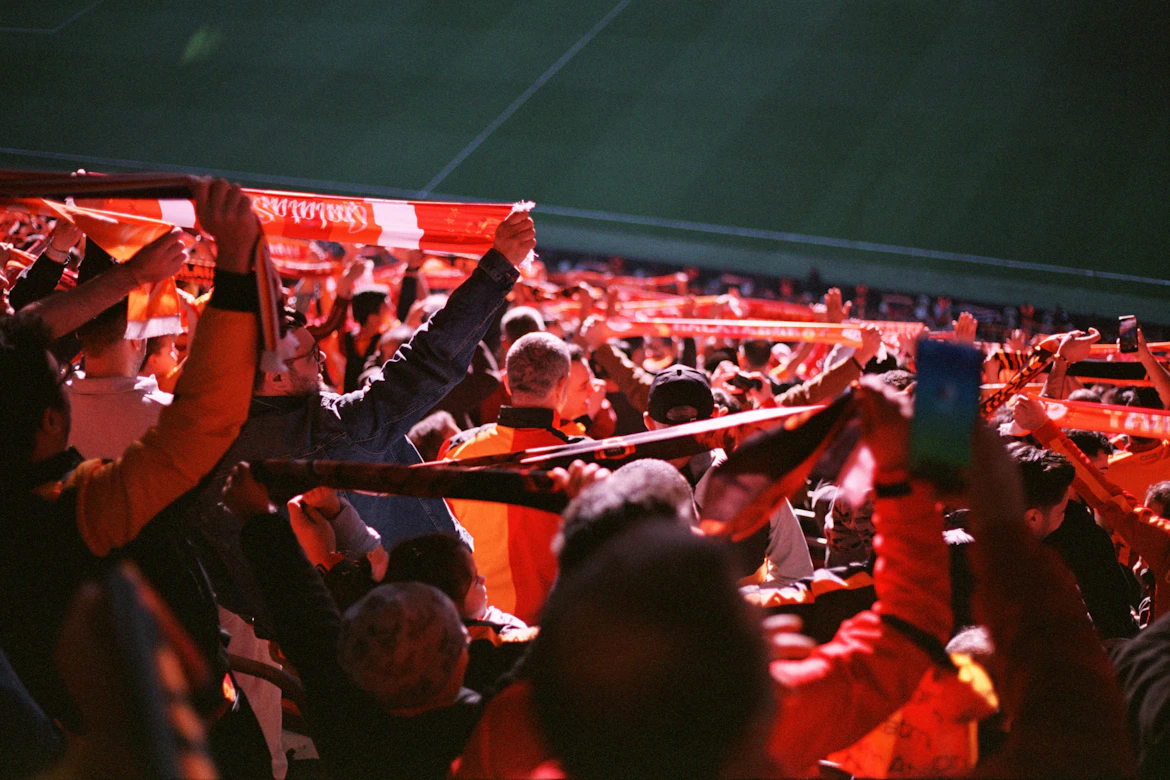
Celtic: Structure, Pressure, and Championship Expectation
Celtic's identity has been built over decades of dominance in Scottish football. Their system under Brendan Rodgers emphasizes possession control, structured pressing, and attacking fluidity. The philosophy is deeply rooted in the club's historical identity, tracing back to the legendary Lisbon Lions of 1967 and the attacking traditions established by Jock Stein. Rodgers has modernised these principles, incorporating contemporary tactical concepts such as inverted full-backs, positional play, and high-intensity counter-pressing, while maintaining the core attacking ethos that Celtic supporters demand.
The team's build-up play often starts from deep defensive positions, progressing through midfield with high technical precision. Celtic attempt to control rhythm, territory, and tempo. The centre-backs are comfortable in possession and are expected to initiate attacking sequences with progressive passes that break opposition lines. The full-backs push high and wide, creating overloads in wide areas while the wingers drift inside to occupy half-spaces and create numerical superiority in central zones. This sophisticated positional structure requires immense concentration, technical quality, and tactical understanding from every player on the pitch.
Key players such as Kyogo Furuhashi and Callum McGregor have been central to their success. Kyogo's movement inside the box remains one of the most efficient attacking weapons in the league, while McGregor dictates transitions and passing tempo. Kyogo's ability to find space in crowded penalty areas is almost supernatural. His timing of runs, body positioning, and finishing technique have made him one of the most feared strikers in Scottish football history. He does not need many touches to influence a match. Often, one moment of intelligent movement and a clinical finish is all that separates Celtic from their opponents.
Callum McGregor, the captain and midfield metronome, is the player who makes Celtic's system function. His passing range allows the team to switch play rapidly, stretching opposition defences and creating gaps that the attacking players exploit. His leadership extends beyond technical contributions. He sets the emotional tone for the team, demanding intensity and focus from his teammates even in the most challenging moments. The relationship between McGregor and Kyogo has been one of the defining partnerships of the season, with the midfielder's through balls and the striker's runs combining to devastating effect on countless occasions.
However, with expectation comes pressure. Every dropped point becomes magnified. Every away match becomes a psychological test. That pressure has defined Celtic's season as much as their quality. The weight of history sits heavily on the shoulders of every Celtic player. They are expected to win. Anything less than a championship is considered a failure by the fanbase and the board. This pressure can be both a motivating force and a debilitating burden, and how the players manage this psychological challenge on the final day could be the decisive factor in determining the outcome of the title race.
Official club reference: Celtic FC Official Site
Hearts: The Rise of a Genuine Title Contender
Heart of Midlothian's transformation this season represents one of the most impressive tactical evolutions in Scottish football in recent years. The club has undergone a complete philosophical revolution since Steven Naismith took charge, moving from a team that occasionally challenged for European places to a genuine title contender with a clear and coherent footballing identity. This transformation has been built on meticulous planning, intelligent recruitment, and a commitment to a tactical system that maximises the collective strengths of the squad while minimising individual weaknesses.
Under Steven Naismith, Hearts developed a clear identity built on intensity, discipline, and vertical attacking transitions. Rather than attempting to dominate possession, they focused on efficiency and structure. Naismith understood that competing with Celtic on their own terms, by trying to control possession and dictate tempo, was a strategic error that had cost previous challengers dearly. Instead, he created a system that is comfortable conceding possession in certain areas of the pitch while maintaining defensive solidity and striking with lethal precision when transition opportunities arise.
Their defensive organization has been one of the strongest in the league, while their attacking output has been led by Lawrence Shankland, whose consistency in front of goal has kept them at the top. The defensive unit operates as a cohesive block, with the back four maintaining a compact shape that is extremely difficult to penetrate. The midfielders drop deep to provide additional protection, creating a defensive structure that frustrates opponents and forces them into low-percentage attacking situations. This defensive solidity provides the foundation upon which the entire tactical system is built.
Shankland's leadership extends beyond goals. He has become the emotional and tactical anchor of the team, guiding younger players through high-pressure moments. His journey to this point has been remarkable. From playing in the lower divisions of Scottish football to leading the line for a title-challenging Hearts team, Shankland's story embodies the resilience and determination that defines this Hearts squad. He is not just a goalscorer. He is a leader, a mentor, and a symbol of what can be achieved through hard work and self-belief.
For Hearts supporters, this season represents something far deeper than sport. It represents possibility after decades of waiting. The club has a proud history, with league titles, Scottish Cups, and a tradition that dates back to 1874. However, the modern era has been dominated by Celtic and Rangers, and Hearts supporters have endured long periods without challenging for the ultimate prize. This season has rekindled dreams that many believed had been extinguished by the financial realities of modern football. The emotional investment of the Hearts faithful cannot be measured in statistics or data points. It is a visceral, deeply personal connection to a club that represents community, identity, and hope.
Official club reference: Heart of Midlothian FC Official Site

Tactical Identity: Control vs Transition Football
The tactical contrast between Celtic and Hearts defines the entire title race. It is a clash of philosophies that represents the fundamental tension at the heart of modern football: the battle between possession-based control and transition-based efficiency. Both approaches have their merits and their vulnerabilities, and the outcome of the title race will likely be determined by which tactical system can impose its will on the decisive moments of the final day.
Celtic focus on controlling matches through possession dominance. Their structure allows them to overload midfield areas, recycle possession quickly, and create attacking width through overlapping full-backs. The system is designed to suffocate opponents, denying them the ball and therefore denying them the opportunity to create scoring chances. When functioning at its best, Celtic's possession game creates a sense of inevitability. The constant circulation of the ball, the patient probing for gaps, and the sudden acceleration when a weakness is identified combine to create an attacking machine that can dismantle even the most organised defences.
Hearts, however, operate in a more direct and reactive system. They are comfortable without the ball and excel in moments of transition, where space opens behind opposition defensive lines. This approach requires immense discipline and concentration from every player. When possession is lost, the entire team must immediately transition into a defensive shape that is compact, organised, and difficult to penetrate. When possession is won, the transition must be explosive and decisive, with players flooding forward at speed to exploit the temporary disorganisation of the opposition defence.
This creates a tactical chess match where control and disruption constantly collide. Celtic attempt to impose their rhythm on the match, while Hearts seek to disrupt that rhythm and create chaos from which they can strike. The battle in midfield is particularly crucial. Celtic's midfielders want time and space to pick passes and dictate tempo. Hearts' midfielders want to deny that time and space, forcing errors and creating turnover opportunities in dangerous areas of the pitch.
The first goal in the final matches could completely alter both tactical plans. If Celtic score first, they can settle into their possession game and force Hearts to abandon their compact defensive structure in search of an equaliser. If Hearts score first, they can defend even deeper, protect their lead, and look for opportunities to strike on the counter-attack as Celtic commit more players forward. The tactical implications of the opening goal are so significant that both teams will likely approach the early stages of the match with caution, aware that a single mistake could determine the destiny of the championship.
Moments That Defined the Season
The title race was shaped not by a single moment, but by a series of defining matches across the season. Each fixture carried its own narrative weight, and the cumulative effect of these moments has created the dramatic climax that now awaits on the final day. To understand the magnitude of what is at stake, one must trace the journey that both clubs have taken to reach this point.
Hearts' early victory over Rangers signaled that they were not merely competing for European places but for the championship itself. That match, played at Tynecastle in the early autumn, was a statement of intent that reverberated throughout Scottish football. Hearts did not simply defeat Rangers. They outplayed them, dominating the midfield battle and creating chances with a fluidity that suggested a team capable of competing at the highest level. The final score of 2-0 did not fully capture the extent of Hearts' superiority on that memorable afternoon.
Celtic's response in key derby matches demonstrated their resilience, but occasional draws in away fixtures kept Hearts within reach. The Glasgow giants showed their championship mettle on multiple occasions, recovering from losing positions and grinding out results when performances were below their usual standards. However, dropped points in away matches against mid-table opponents proved costly. These were matches that Celtic were expected to win comfortably, but the relentless pressure of the title race, combined with the tactical challenges posed by well-organised opponents, resulted in frustrating draws that prevented Celtic from establishing a comfortable lead at the top of the table.
The two head-to-head encounters between Celtic and Hearts were pivotal moments in the season. The first meeting, at Celtic Park, ended in a closely contested draw that demonstrated Hearts' ability to compete with the champions on their own ground. The second meeting, at Tynecastle, was one of the most intense and emotionally charged matches in recent Scottish football history. Both teams created chances, both goalkeepers made crucial saves, and the match was ultimately decided by a moment of individual brilliance that sparked wild celebrations among the home support.
By the final weeks, every match carried championship weight. Even mid-table fixtures became decisive. The pressure intensified with each passing week, and the mental toll on players, coaches, and supporters was immense. The Scottish Premiership had transformed into a psychological endurance test as much as a football competition.
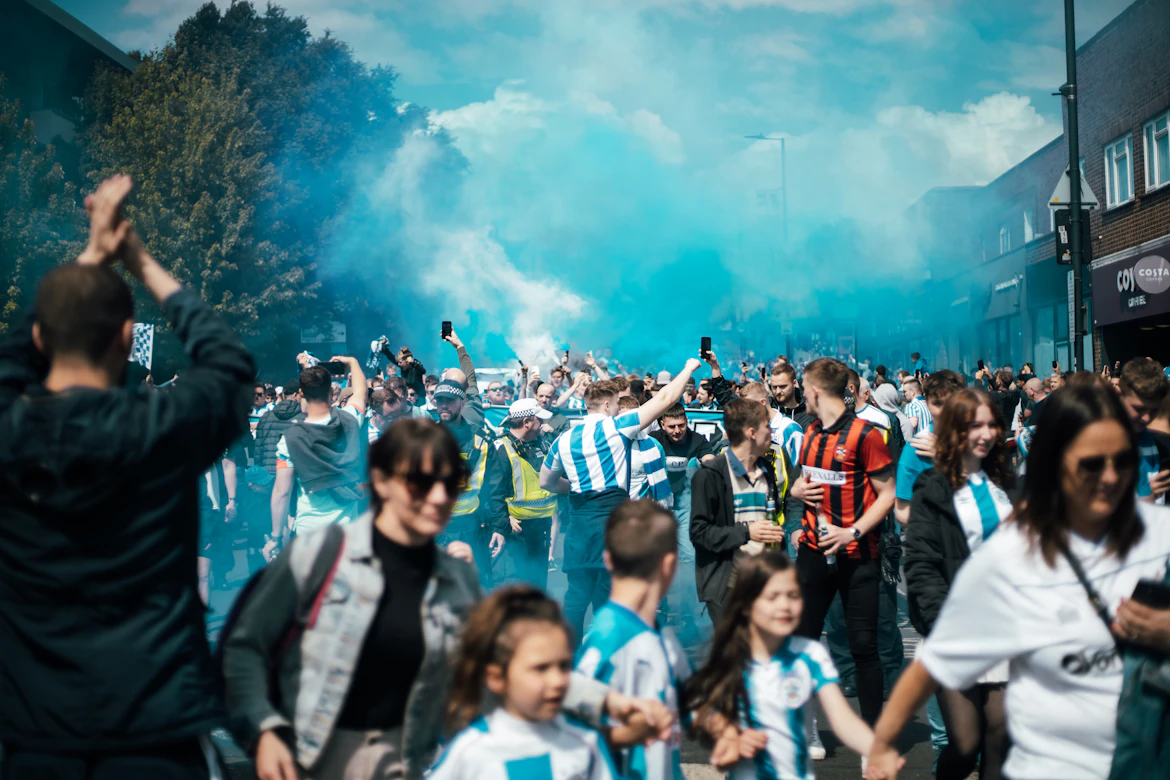
The Psychological Dimension of a Title Race
The psychological dimension of a title race is often underestimated by those who focus exclusively on tactics and technical ability. Yet it is frequently the deciding factor when two teams are as closely matched as Celtic and Hearts have been throughout this season. The mental fortitude required to maintain performance levels under intense scrutiny cannot be overstated. Every training session, every media appearance, and every minute of every match is conducted under a microscope of analysis and expectation.
Celtic's players carry the weight of expectation that comes with representing a club accustomed to success. For many of them, winning trophies is not an aspiration but an obligation. The psychological burden of potentially being the team that loses the title to Hearts, ending a period of domestic dominance that has defined the modern era of Scottish football, is immense. The fear of failure can be paralysing, and managing that fear is one of the most important challenges facing Brendan Rodgers and his coaching staff.
Hearts' players face a different but equally intense psychological challenge. They are on the brink of achieving something historic, something that would immortalise them in the folklore of their club and Scottish football more broadly. The opportunity is intoxicating, but the fear of letting it slip away can be just as debilitating as the fear of failure. The challenge for Steven Naismith is to ensure that his players embrace the opportunity without being overwhelmed by its magnitude.
Sports psychologists speak of the importance of focusing on process rather than outcome. The teams that succeed in high-pressure situations are those that can narrow their focus to the immediate task at hand, blocking out the noise of external expectations and the weight of historical significance. Both Celtic and Hearts will have worked extensively with psychological professionals throughout the season to prepare for moments exactly like this.
Player Profiles: The Key Figures
Every title race has its defining individual performers, and this season has been no exception. While football is fundamentally a team sport, certain players have elevated themselves above the general level of competition and exerted a disproportionate influence on their team's fortunes. Understanding these key figures is essential to understanding the dynamics of the title race.
For Celtic, Kyogo Furuhashi has been the attacking talisman whose goals have kept the team in contention. His movement, intelligence, and clinical finishing have tormented defences throughout the league. What makes Kyogo particularly dangerous is his ability to create scoring opportunities from situations that appear harmless. A half-chance for most strikers is a clear goalscoring opportunity for Kyogo, and this efficiency in front of goal has been worth countless points over the course of the season.
Callum McGregor's importance to Celtic cannot be overstated. He is the player who connects defence to attack, who controls the tempo of matches, and who provides the leadership that guides younger players through difficult moments. When McGregor plays well, Celtic play well. His performance on the final day will be one of the most significant factors in determining the outcome of the title race.
For Hearts, Lawrence Shankland has been the talismanic figure whose goals have propelled the club to the brink of an historic championship. His consistency in front of goal has been remarkable, but it is his all-round contribution to the team that truly sets him apart. Shankland's hold-up play brings midfielders into the game, his defensive work rate sets the tone for the team's pressing, and his leadership on and off the pitch has been inspirational.
Historical Context: A Rivalry Renewed
The historical context of the Celtic-Hearts rivalry adds layers of meaning to this title race that transcend the immediate sporting competition. These are two clubs with deep roots in Scottish football history, and their rivalry stretches back over a century of competition, controversy, and mutual respect.
Celtic's history is one of sustained dominance, particularly in the modern era. The club's trophy cabinet is one of the most impressive in European football, and the expectation of success is woven into the very fabric of the institution. From the European Cup triumph of 1967 to the domestic trebles of recent years, Celtic have established themselves as the benchmark against which all other Scottish clubs are measured.
Hearts, while not matching Celtic's trophy haul, have a history that commands respect. The club was a dominant force in Scottish football during the late nineteenth and early twentieth centuries, and has consistently been one of the most important institutions in the Scottish game. The Tynecastle club has produced legendary players, achieved memorable European results, and maintained a connection with its community that is the envy of many larger clubs.
The meetings between these two clubs have produced some of the most memorable moments in Scottish football history. From dramatic cup finals to controversial league encounters, the Celtic-Hearts fixture has a rich narrative tradition that adds weight to every contemporary meeting. This season's title race is the latest chapter in a story that spans generations.
The Managerial Battle: Rodgers vs Naismith
The tactical battle between Brendan Rodgers and Steven Naismith represents one of the most fascinating managerial contrasts in modern Scottish football. Rodgers brings a wealth of experience from the highest levels of European football, having managed in the Premier League with Liverpool and Leicester City, as well as his previous successful spell at Celtic. His tactical sophistication, man-management skills, and experience in high-pressure situations are formidable assets.
Naismith, by contrast, is at the beginning of his managerial journey but has already demonstrated a tactical acumen and leadership quality that belies his relative inexperience. His understanding of the Scottish game, combined with his willingness to innovate and adapt, has created a Hearts team that is greater than the sum of its individual parts. The respect between the two managers is evident, but so too is the competitive intensity that drives both men.
The decisions made by both managers on the final day, from team selection to in-game tactical adjustments, will be scrutinised for years to come. The margin between success and failure is so fine that a single substitution or tactical tweak could determine the destiny of the championship trophy.
Global Attention and Media Explosion
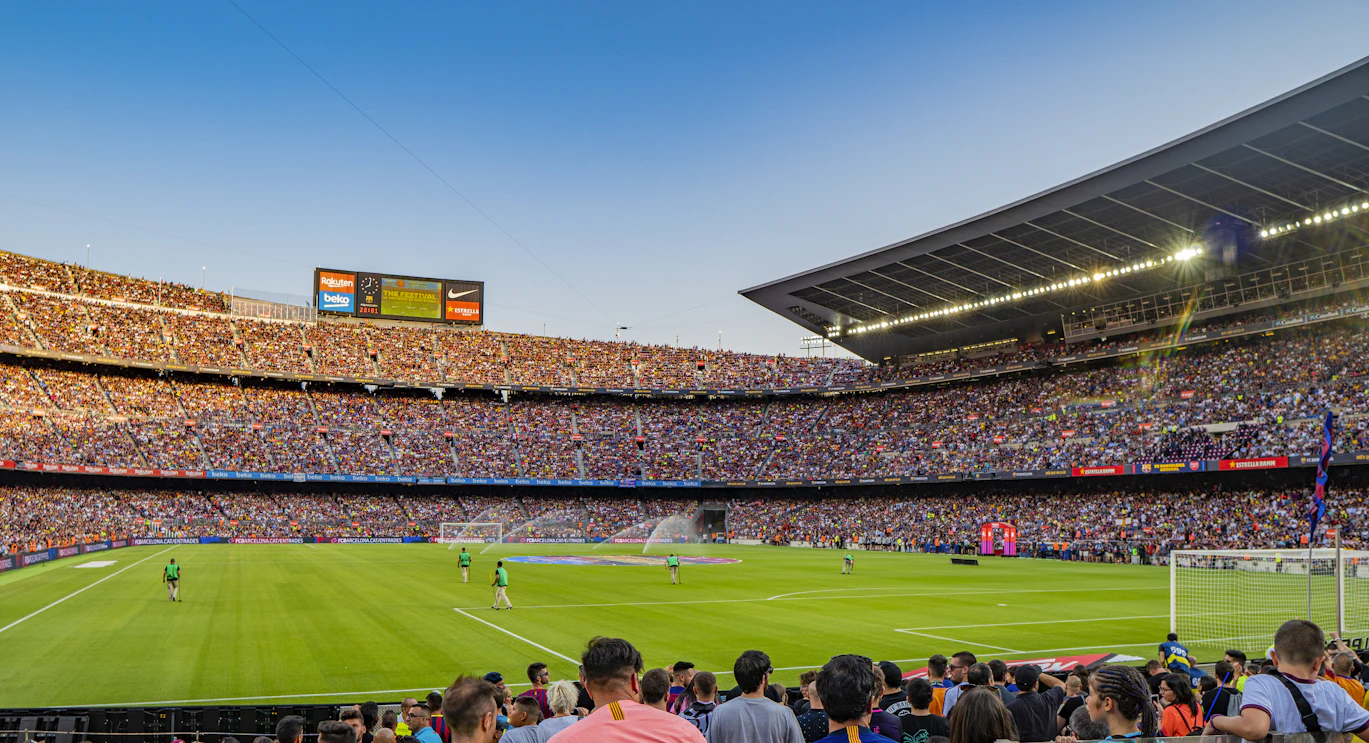
The scale of global attention on the Scottish Premiership this season has been unprecedented in recent years. Football fans around the world, from Tokyo to Toronto, from Sydney to São Paulo, have been captivated by the narrative of this title race. The simplicity of the story, a dominant powerhouse defending its position against a historic underdog chasing a once-in-a-generation title, has universal appeal that transcends national boundaries and cultural differences.
International broadcasters across Europe, Asia, and North America have increased coverage of the league's final day dramatically. Television audiences for Scottish Premiership matches have grown significantly throughout the season, and the final day is expected to attract one of the largest global audiences in the league's history. Streaming platforms have reported record numbers of international viewers tuning in to follow the drama as it unfolds.
Social media has amplified the global conversation, with fans, pundits, and former players from around the world sharing their analysis, predictions, and emotional reactions to the unfolding drama. Hashtags related to the title race have trended globally on multiple occasions, and the digital footprint of the Scottish Premiership has never been larger or more engaged.
Read league coverage: BBC Sport Scottish Football
The Psychology of a Final Day Title Race
Final day title races are not decided only by tactics or skill. They are heavily influenced by psychological pressure. The unique circumstances of a final day, with multiple matches being played simultaneously and the league table shifting in real time, create an emotional environment that tests the mental resilience of every player, coach, and supporter involved.
Players are constantly aware of other match updates. A goal in one stadium can immediately change the emotional environment in another. The roar of the crowd when news filters through of a goal elsewhere, the sudden shift in body language as players process the implications, and the tactical recalculations that must be made in response to changing circumstances all contribute to an atmosphere of almost unbearable tension.
Composure becomes more important than creativity. Discipline becomes more valuable than flair. The players who can maintain their technical quality and tactical discipline while their emotions are being pulled in every direction are the ones who will ultimately prevail. The team that remains mentally stable under emotional chaos will likely lift the trophy.
Set pieces take on added significance in such high-pressure environments. A well-executed corner or free kick can be the difference between triumph and heartbreak, and the hours spent on the training ground practising these routines could pay dividends that change the course of Scottish football history.
Financial Stakes and European Qualification
The stakes extend far beyond national pride. The Scottish Premiership winner qualifies for the UEFA Champions League, bringing significant financial rewards and global exposure. This is not merely a matter of prestige. The financial implications of Champions League qualification are transformative for Scottish clubs, representing a level of revenue that can fundamentally alter a club's competitive position for years to come.
For Celtic, Champions League qualification is expected and budgeted for. The club's financial model depends on regular access to European competition's most lucrative tournament. Failure to qualify would represent a significant financial setback that would impact recruitment, infrastructure investment, and the club's ability to retain its best players in the face of interest from wealthier leagues.
For Hearts, Champions League qualification would be genuinely transformative. The financial windfall would dwarf the club's normal revenue streams and create opportunities for investment that could narrow the gap with Scotland's traditional powers on a permanent basis. The stakes for Hearts extend beyond this season. The outcome of this title race could shape the competitive balance of Scottish football for the next decade.
This impacts recruitment, infrastructure investment, squad retention, and long-term competitive balance. The ripple effects of the final day's outcome will be felt throughout Scottish football, affecting everything from the transfer market to youth development programmes to the international perception of the league.
Learn more: UEFA Champions League Official
The Role of Supporters: The Twelfth Man
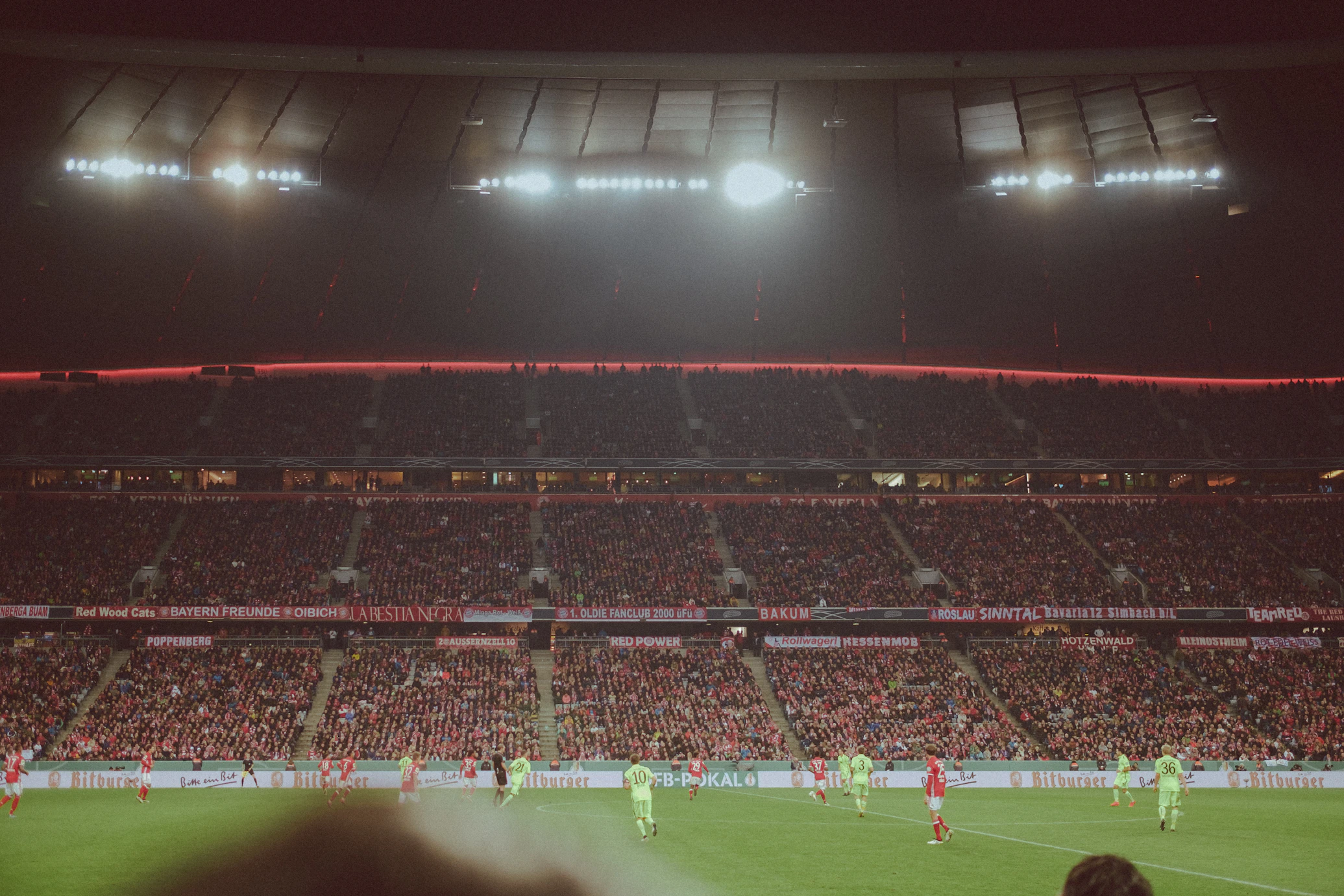
No analysis of a title race can be complete without acknowledging the role of supporters. The passion, energy, and emotional investment of fans create the atmosphere that makes football the world's most popular sport. On the final day, the supporters of both Celtic and Hearts will play a crucial role in shaping the emotional environment in which the decisive matches are played.
Celtic Park on a European night is renowned as one of the most intimidating atmospheres in world football. The famous Glasgow venue has witnessed countless memorable occasions, and the final day of this title race promises to add another chapter to that storied history. The Celtic support will create a wall of sound designed to inspire their players and intimidate their opponents. The collective energy of sixty thousand passionate supporters can lift a team beyond its normal capabilities.
The travelling Hearts support, while fewer in number, will bring an intensity and emotional commitment that can match any atmosphere in world football. Hearts fans have waited decades for a moment like this, and they will savour every second of the experience. Their presence in the stadium, their songs echoing through the stands, and their unwavering belief in their team will provide a source of strength and inspiration for the players on the pitch.
Media Narratives and Public Discourse
The media coverage of this title race has been extensive and, at times, overwhelming. Newspapers, television programmes, podcasts, and online platforms have devoted countless hours and column inches to analysing every aspect of the competition. The narratives that have emerged from this coverage have shaped public perception and added layers of meaning to the sporting contest.
The dominant narrative has been that of David versus Goliath, with Hearts cast as the plucky underdog challenging the established order. This framing, while understandable, does not fully capture the tactical sophistication and organisational strength that have made Hearts genuine title contenders. They are not merely fortunate overachievers. They are a well-coached, strategically intelligent football team that has earned its position at the top of the table through sustained excellence.
The Celtic narrative has focused on the pressure of expectation and the potential consequences of failure. The media has extensively discussed what a title loss would mean for Brendan Rodgers' legacy, for the club's recruitment strategy, and for the psychological balance of power in Scottish football. These discussions, while speculative, reflect the genuine significance of the moment.
The Final Day Scenarios
As the final day approaches, the mathematical possibilities have been analysed exhaustively. Both teams enter the final round of fixtures level on points, with goal difference potentially serving as the ultimate tiebreaker. The permutations are complex, but the essential equation is simple: the team that performs better on the final day will be crowned champion.
If both teams win their final matches, the title will be decided by goal difference. This scenario would create an extraordinary dynamic where every goal scored or conceded carries championship implications. Managers would need to balance the desire for additional goals against the risk of defensive vulnerability. Players would need to maintain focus and discipline even as the emotional intensity reaches its peak.
If either team drops points, the equation simplifies dramatically. A draw or defeat for Celtic, combined with a Hearts victory, would see the title travel to Tynecastle for the first time in generations. A draw or defeat for Hearts, combined with a Celtic victory, would see the trophy remain at Celtic Park. The margin between these outcomes is razor thin.
Final Verdict: Who Will Win the Title?
Celtic enter the final day with experience, depth, and home advantage. Hearts enter with momentum, belief, and emotional drive. The balance of probability, if such a thing can be calculated in such an emotionally charged context, slightly favours Celtic due to their home advantage and experience in high-pressure situations. However, Hearts have defied probability throughout this season, and there is no reason to believe they cannot do so one final time.
There is no clear certainty. The margin between triumph and heartbreak is razor thin. Football history is replete with examples of favourites who faltered under pressure and underdogs who seized their moment of destiny. The beauty of the sport lies in its unpredictability, and this title race is a perfect embodiment of that quality.
One moment of brilliance or one defensive error could decide an entire season. A perfectly executed set piece, a moment of individual genius, a controversial refereeing decision, or a simple lapse in concentration could be the difference between immortality and heartbreak. The players who take the pitch on the final day carry the hopes and dreams of their supporters, the weight of their club's history, and the opportunity to write their names into the annals of Scottish football legend.
Conclusion: A Season That Will Be Remembered for Generations
Regardless of the final outcome, the 2025/26 Scottish Premiership season will be remembered as one of the most dramatic and emotionally charged title races in modern football history. It has been a season that has reaffirmed the enduring appeal of competitive sport, demonstrating that even in an era of financial inequality and predictable outcomes, genuine competition can still flourish when ambition, organisation, and belief combine in the right proportions.
It has combined tactical battles, emotional intensity, global attention, and historic stakes into a single narrative that has captivated millions. The season has produced moments of individual brilliance, collective resilience, and dramatic tension that will be replayed and remembered for decades. The players, coaches, and supporters who have been part of this journey have experienced the full spectrum of human emotion, from the soaring highs of crucial victories to the crushing lows of unexpected setbacks.
When the final whistle blows, one club will celebrate immortality, while the other will be left reflecting on how close history came. The difference between the two outcomes may be measured in inches, in seconds, in moments of fortune or misfortune that no amount of preparation can control. This is the essence of football. This is why the sport commands the passion and devotion of millions around the world. And this is why the 2025/26 Scottish Premiership season will never be forgotten.
The legacy of this season will extend far beyond the final league table. It will influence the tactical evolution of Scottish football, inspire a new generation of players and supporters, and demonstrate that even the most established hierarchies can be challenged and potentially overthrown. Whether the trophy remains at Celtic Park or makes the journey to Tynecastle, Scottish football will have been enriched and enlivened by a season that reminded everyone why this sport matters so deeply to so many people.