THE GLOBAL ARTS CHRONICLE - Special Feature
Anime, Manga, and Manhwa: The Ultimate Comprehensive Guide to East Asian Visual Storytelling
From the flickering frames of early 20th-century Japanese animators to the infinite-scroll webtoons consumed by millions on smartphones today, anime, manga, and manhwa have journeyed from regional curiosities to global cultural juggernauts. This is the complete chronicle - every genre, every artistic revolution, every economic force, and every pixel of their luminous, hand-drawn worlds.
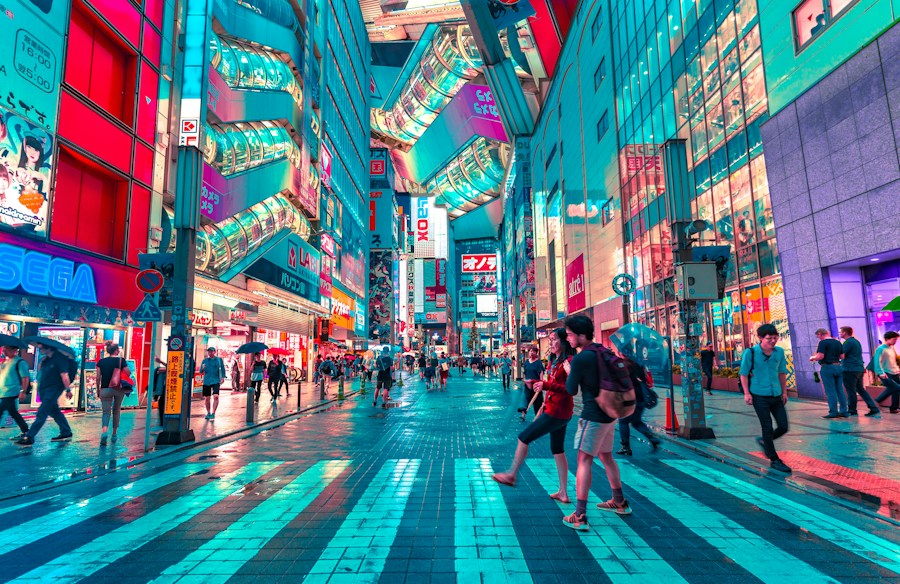
Introduction: A Triumvirate of Visual Imagination
Anime, manga, and manhwa have become some of the most influential forms of entertainment in the modern world. What started as regional artistic and storytelling traditions in Japan and Korea eventually evolved into massive global industries worth billions of dollars. Today, millions of fans across every continent consume anime series, collect manga volumes, read digital manhwa webtoons, attend conventions, cosplay as beloved characters, and participate in sprawling online fandom communities that span languages, cultures, and generations.
Anime refers to animated productions originating primarily from Japan - a medium that encompasses everything from children's television to avant-garde cinematic masterpieces. Manga refers to Japanese comics and graphic novels, a publishing phenomenon so vast it touches every conceivable demographic. Manhwa refers to Korean comics, which have undergone a radical digital transformation through the webtoon format that has reshaped how the world reads comics.
Although these mediums share similarities in visual storytelling and artistic expression, they possess distinct cultural identities, artistic techniques, narrative structures, and publication formats. The popularity of anime and manga exploded globally during the late 1990s and early 2000s through television broadcasts, DVDs, streaming services, and internet communities. Meanwhile, manhwa gained tremendous international attention during the rise of digital webtoon platforms. Modern audiences now consume these forms of media daily through smartphones, tablets, streaming websites, and social platforms - a reality that would have seemed like science fiction to the pioneers who drew the first frames a century ago.
This article explores every major aspect of anime, manga, and manhwa including their history, artistic evolution, storytelling techniques, genres, publishing industries, cultural influence, fandoms, economics, digital transformation, and future trajectories.
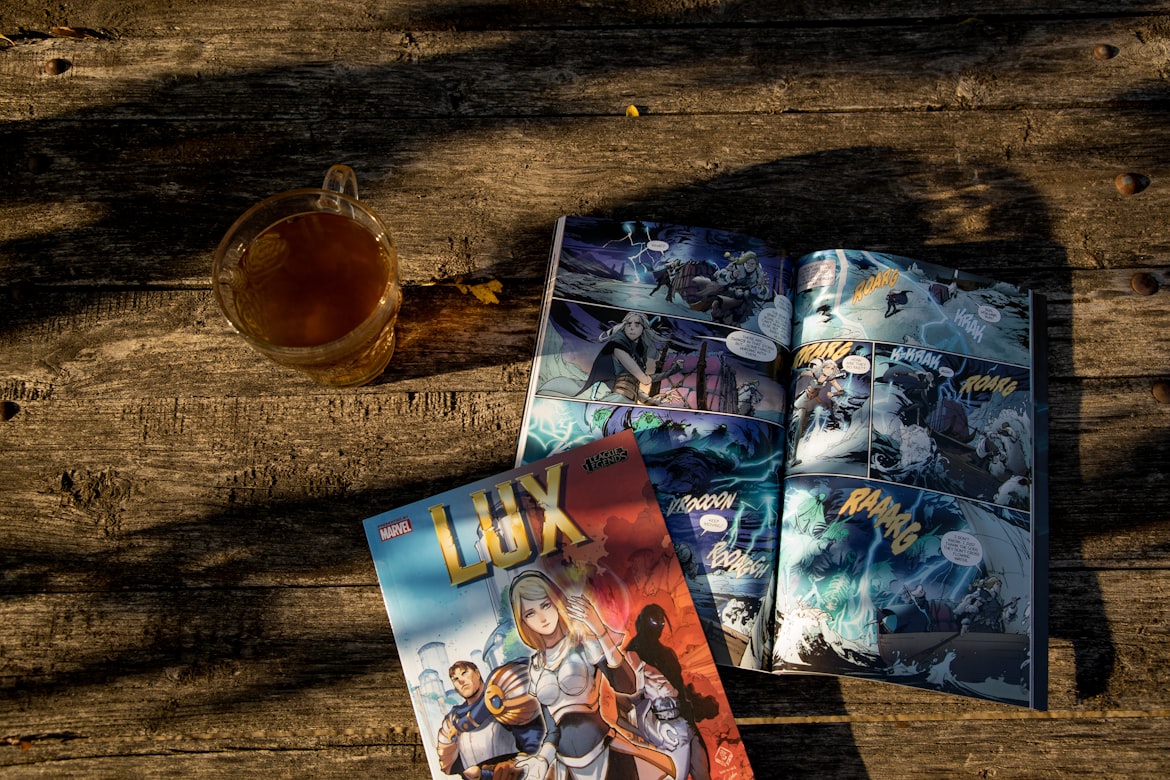
The Origins and History of Anime: From Silent Frames to Streaming Dominance
The origins of anime can be traced back to the early 20th century in Japan. During the 1910s and 1920s, Japanese filmmakers began experimenting with animation inspired by Western productions from the United States and Europe. Early Japanese animation was simplistic due to technological and financial limitations - often just a few minutes of silent, black-and-white footage - but it laid the foundation for future growth. Pioneers like Jun'ichi Kōuchi, Seitarō Kitayama, and Ōten Shimokawa created the first Japanese animated shorts, some of which survive today as precious artifacts of cinema history.
One of the most influential figures in anime history was Osamu Tezuka, often referred to as the God of Manga. Tezuka revolutionized Japanese animation and storytelling through works such as Astro Boy (Tetsuwan Atomu). His cinematic paneling, expressive characters with large, emotive eyes, and emotionally driven narratives transformed anime and manga forever. Tezuka's studio, Mushi Production, produced Astro Boy as Japan's first serialized television anime in 1963, establishing the production pipeline and aesthetic conventions that would define the medium for decades.
During the post-World War II period, Japan's entertainment industry rapidly expanded. Television became more common in Japanese households, and studios began producing serialized animated shows for broadcast audiences. The 1970s and 1980s witnessed an explosion of creativity: anime diversified into numerous genres including science fiction, fantasy, romance, sports, and mecha. Iconic franchises such as Mobile Suit Gundam introduced realistic war themes and moral ambiguity into animated storytelling, while series like Dragon Ball popularized action-oriented shonen narratives that would become global phenomena.
The 1990s represented a golden era for anime globalization. Shows such as Sailor Moon, Pokémon, Neon Genesis Evangelion, and Dragon Ball Z achieved international popularity through television syndication and home video. Studio Ghibli, co-founded by Hayao Miyazaki and Isao Takahata, produced masterpieces like Spirited Away, which won the Academy Award for Best Animated Feature in 2003 - a watershed moment that cemented anime's artistic legitimacy on the world stage. Anime conventions emerged worldwide, and global audiences began recognizing anime as a unique artistic medium rather than merely children's entertainment.
In the modern era, streaming services such as Crunchyroll, Netflix, and Amazon Prime Video revolutionized anime accessibility. Platforms now simulcast episodes globally shortly after Japanese broadcasts, often with subtitles in multiple languages. This digital transformation has greatly expanded anime's international fanbase and commercial success, turning what was once a niche interest into a mainstream global entertainment force.

The History and Evolution of Manga: A Publishing Phenomenon
Manga has deep historical roots in Japanese visual culture. Some scholars trace manga-like storytelling traditions back to ancient Japanese picture scrolls (emakimono) from the 12th century and the ukiyo-e woodblock prints of the Edo period. The famous Hokusai Manga - sketchbooks by the artist Katsushika Hokusai published in the early 19th century - actually used the term "manga" in its title, though its meaning then was closer to "whimsical pictures" than narrative comics.
Modern manga began taking shape during the late 19th and early 20th centuries under the influence of Western comic art and political cartoons brought to Japan during the Meiji Restoration. However, Osamu Tezuka played the critical role in modern manga development during the post-war period. His cinematic storytelling techniques, detailed character emotions, long-form narratives spanning thousands of pages, and willingness to tackle mature themes inspired generations of manga artists. Works like Phoenix, Black Jack, and Buddha demonstrated that comics could address philosophy, mortality, and the human condition with the depth of great literature.
Manga publication systems became highly organized through serialized magazines. Weekly and monthly manga anthologies - thick phonebook-like volumes printed on cheap paper - allowed readers to follow multiple stories simultaneously for a modest price. Weekly Shonen Jump, launched in 1968, became the most influential manga magazine in history, serializing era-defining hits like Dragon Ball, One Piece, Naruto, and Bleach. Successful series were later compiled into standalone volumes known as tankobon, which fans collected and treasured.
Manga covers nearly every genre and demographic imaginable. While many Western readers initially associated comics primarily with superheroes, manga developed content for all audiences: children, teenagers, adult men, adult women, professionals, and elderly readers. There are manga about cooking, golf, office work, parenting, historical biography, and abstract philosophy. Today, manga is one of Japan's largest entertainment industries, with millions of copies sold annually both domestically and internationally. Digital reading applications like Shonen Jump+ and Manga Plus have further expanded global accessibility, allowing readers worldwide to read chapters on the same day they are released in Japan.

The Origins and Growth of Manhwa: Korea's Digital Comics Revolution
Manhwa refers to Korean comics and graphic storytelling. Although influenced partly by Japanese manga during the 20th century, manhwa developed its own distinct identity shaped by Korean culture, politics, language, history, and - most decisively - digital innovation. Korean comics evolved significantly during the 20th century through periods of Japanese colonial rule, war, division, and rapid economic development. Political censorship during authoritarian periods in South Korea affected creative expression, but artists continued experimenting with storytelling techniques and visual styles, often using comics as vehicles for social commentary and political satire.
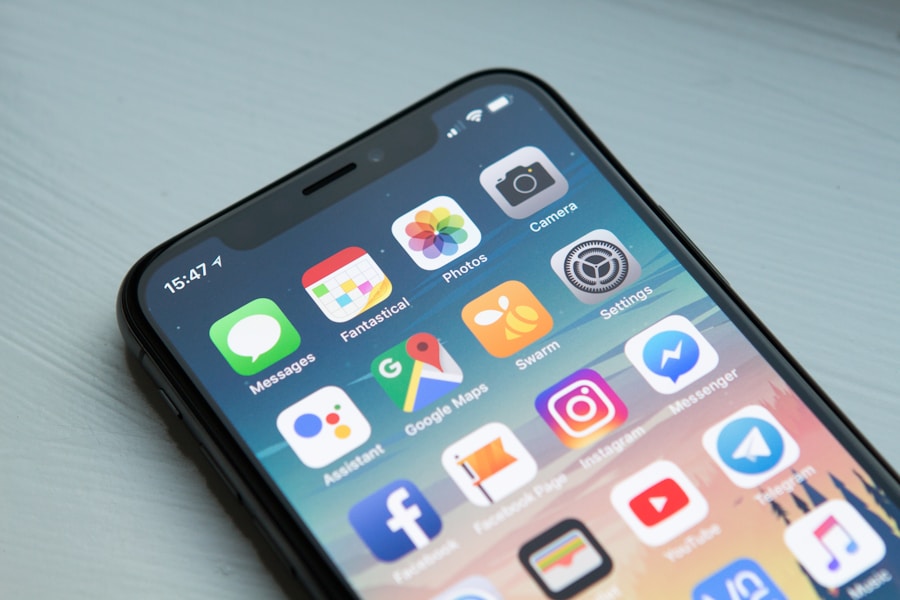
The most transformative development in manhwa history was the rise of webtoons in the early 2000s. Unlike traditional printed manga, webtoons were optimized for digital scrolling on smartphones and computers. Vertical scrolling formats - where the reader simply swipes downward through a continuous strip of panels - became the standard. This seemingly simple innovation radically altered the reading experience, pacing, and even the visual grammar of comics. Creators could use infinite vertical space to create dramatic reveals, control reading rhythm, and even incorporate animated elements and music into their stories.
Platforms such as LINE Webtoon (launched by Naver in 2014) and KakaoPage revolutionized digital comic consumption globally. Readers could access thousands of stories instantly through mobile applications, with new episodes released weekly. The freemium model - where early chapters are free and later ones require payment or waiting - created a sustainable economic ecosystem for creators. Popular webtoons such as Solo Leveling, Tower of God, The God of High School, Noblesse, and True Beauty gained international fame, attracting millions of readers worldwide. Many manhwa series later received anime adaptations through partnerships with Japanese studios and global streaming platforms, demonstrating the growing influence of Korean storytelling within the broader entertainment industry.

Major Differences Between Anime, Manga, and Manhwa
Country of Origin
Anime and manga originate from Japan, while manhwa originates from Korea. Cultural values, traditions, humor, social structures, and artistic influences differ significantly between these countries, affecting storytelling approaches, character archetypes, and aesthetic sensibilities. Japanese narratives often reflect Shinto and Buddhist philosophical concepts, while Korean manhwa frequently engages with themes of social hierarchy, family obligation, and rapid modernization.
Reading Direction
Traditional manga is generally read from right to left, reflecting Japanese writing conventions. This right-to-left flow affects panel composition and the visual journey of the reader's eye across the page. Manhwa and webtoons are usually read from left to right or - more commonly in the webtoon format - vertically through continuous scrolling. This vertical orientation has become one of the defining features of modern digital manhwa.
Color Usage
Most manga is printed in black and white due to publication costs, production speed, and artistic tradition. The absence of color forces manga artists to master shading, screen tones, and line work to convey depth and mood. In contrast, modern webtoon manhwa is often fully colored, taking advantage of digital displays to enhance visual appeal and emotional impact. The vibrant, digitally painted aesthetics of webtoons have become one of their most distinctive and attractive features.
Publication Format
Manga is commonly serialized in thick anthology magazines before compilation into collected volumes. Manhwa webtoons are usually published digitally on online platforms through episodic weekly releases, optimized for mobile reading with vertical scrolling interfaces that remove the need for page-turning entirely.
Art Styles
Although similarities exist across all three mediums, each possesses unique artistic identities. Manga frequently emphasizes exaggerated emotional expressions, speed lines, and stylized paneling that conveys motion and psychological states. Manhwa often uses smoother digital coloring, realistic proportions, and modernized character aesthetics influenced by Korean beauty standards and fashion. Anime, as an animated medium, adds the dimensions of movement, voice acting, music, and cinematography to the visual language established by manga source material.
Popular Anime and Manga Genres: A Taxonomy of Imagination
Shonen
Shonen anime and manga target young male audiences and usually focus on action, friendship, personal growth, competition, and perseverance against overwhelming odds. Protagonists are typically earnest, determined young men who grow stronger through training and bonds with allies. Examples include Naruto, One Piece, Bleach, Dragon Ball, My Hero Academia, and Demon Slayer. Shonen series dominate global sales charts and have become the most widely recognized face of anime worldwide.
Shojo
Shojo anime and manga target young female audiences and often explore romance, emotions, relationships, and personal development. Art styles tend to feature delicate lines, floral motifs, and expressive eyes. Famous examples include Fruits Basket, Sailor Moon, Ouran High School Host Club, and Nana. Shojo narratives frequently center on emotional intelligence and interpersonal dynamics rather than physical combat.
Seinen
Seinen targets adult men and frequently includes mature themes, psychological depth, graphic violence, philosophical inquiry, and moral complexity. Berserk, Monster, Vinland Saga, Ghost in the Shell, and Tokyo Ghoul exemplify the genre's willingness to engage with the darkest aspects of human nature and society.
Josei
Josei focuses on adult women's experiences including careers, romance, relationships, and emotional realism. These stories often portray life with greater nuance and less idealization than shojo, addressing topics like divorce, work-life balance, and personal fulfillment.
Isekai
Isekai stories involve characters transported to alternate worlds or fantasy dimensions - often after death or through supernatural portals. This genre became explosively popular during the 2010s, with titles like Sword Art Online, Re:Zero, That Time I Got Reincarnated as a Slime, and Mushoku Tensei dominating streaming charts and light novel sales.
Mecha
Mecha anime centers around giant robots, warfare, technology, and futuristic conflicts. From the realistic military drama of Mobile Suit Gundam to the psychological deconstruction of Neon Genesis Evangelion and the hot-blooded heroics of Gurren Lagann, mecha has proven to be one of anime's most versatile and enduring genres.
Slice of Life
Slice of life anime portrays ordinary daily experiences, emphasizing emotional subtlety, realistic interactions, and the beauty found in mundane moments. Series like March Comes in Like a Lion, Barakamon, and Laid-Back Camp demonstrate that compelling drama need not involve world-ending stakes - sometimes the most profound stories are about healing, friendship, and finding one's place in the world.

The Anime Industry: Studios, Pipelines, and Pressures
The anime industry consists of a complex ecosystem of production studios, publishers, animation teams, distributors, streaming services, merchandise companies, and licensing agencies. Major studios include Studio Ghibli - the legendary house of Hayao Miyazaki and Isao Takahata, creators of Spirited Away, Princess Mononoke, and My Neighbor Totoro - Toei Animation (responsible for Dragon Ball and One Piece), MAPPA (Attack on Titan final season, Jujutsu Kaisen), Bones (Fullmetal Alchemist, My Hero Academia), Madhouse (Death Note, Hunter x Hunter), Kyoto Animation (Violet Evergarden, A Silent Voice), and Ufotable (Demon Slayer). These studios are responsible for producing many globally successful franchises and pushing the boundaries of animation quality.
Anime production involves multiple stages including concept development, scriptwriting, storyboarding, voice acting (performed by seiyuu - voice actors who often achieve celebrity status), key animation, in-between animation, digital compositing, editing, sound design, and marketing. A single television episode can require thousands of individual drawings and months of work from dozens of artists. Despite anime's commercial success, the industry faces significant challenges: animator overwork, punishing deadlines, notoriously low wages for entry-level artists, and intense competition for audience attention in an increasingly crowded market. The average animator in Japan earns significantly less than the national average, working long hours under demanding conditions - a systemic issue that industry advocates and labor organizations continue to address.

The Global Impact of Anime and Manga: Cultural Soft Power
Anime and manga have profoundly influenced global pop culture. Their impact can be seen in fashion - from streetwear collaborations with luxury brands to the global spread of Japanese aesthetic sensibilities. In music, anime opening and ending themes have launched international careers for Japanese artists, while Western musicians increasingly cite anime soundtracks as influences. In gaming, the visual language of anime has shaped character design across the industry, from Final Fantasy to Genshin Impact. In internet culture, anime reaction images, memes, and reference humor have become a universal shorthand understood across linguistic barriers.
International conventions such as Anime Expo in Los Angeles, Japan Expo in Paris, and Comiket in Tokyo attract hundreds of thousands of attendees annually. Cosplay culture became one of the most visible expressions of anime fandom worldwide - a creative practice where fans design, sew, and model elaborate costumes of their favorite characters, often achieving astonishing levels of craftsmanship and artistry. Major streaming platforms invested heavily in anime licensing and original productions due to growing audience demand, with Netflix alone committing billions to anime content. Western creators increasingly incorporate anime-inspired storytelling, cinematography, and visual design into their own works, from animated series like Avatar: The Last Airbender to live-action films that borrow anime's kinetic action choreography.

Webtoons and the Digital Revolution: Comics Reimagined
The rise of smartphones fundamentally changed comic consumption habits around the world. Webtoons became optimized for vertical scrolling, making reading more comfortable and intuitive on mobile devices than traditional page-based formats. This design choice - seemingly simple - represented a paradigm shift. The infinite vertical canvas allowed creators to control pacing through spacing, create dramatic reveals as the reader scrolls downward, and even incorporate subtle animations, sound effects, and music cues that enhance the reading experience without becoming full animation.
Digital publishing reduced printing costs dramatically and enabled creators to reach international audiences instantly, bypassing the traditional gatekeepers of publishing. Many webtoon creators achieved global fame without traditional publishing companies - a democratization of storytelling platforms that has allowed voices from diverse backgrounds to find audiences numbering in the millions. The webtoon model has been so successful that Japanese publishers have begun adopting vertical-scrolling formats and digital-first strategies, while Western comic companies explore similar approaches. The line between manga, manhwa, and webtoon grows increasingly blurred as the industry converges around digital distribution.
Anime Fandom and Otaku Culture: Community, Identity, and Passion
Otaku culture refers to highly dedicated fan communities centered around anime, manga, gaming, and collectibles. The term otaku - once carrying negative connotations of social withdrawal in Japan - has been reclaimed and transformed into a badge of passionate expertise. Otaku are not merely casual consumers; they are archivists, critics, creators, and evangelists who sustain the cultural ecosystem through their enthusiasm and knowledge.
Fans participate in conventions, cosplay events, online forums, fan art communities, merchandise collecting, and fanfiction writing. Websites like MyAnimeList allow users to catalog, rate, and discuss thousands of series, creating a collective knowledge base that maps the entire medium. Social media greatly accelerated fandom interaction across countries and languages, enabling real-time global conversations about weekly episode releases. The relationship between creators and fans has become more direct than ever, with artists responding to fan feedback, crowdfunding projects, and building communities through platforms like Patreon, Twitter, and Discord.

The Future of Anime, Manga, and Manhwa: Convergence and Innovation
Artificial intelligence, virtual reality, digital production pipelines, and global streaming services are expected to transform the future of anime and comics industries. AI-assisted animation tools promise to reduce the grueling manual labor of in-between frame generation, potentially addressing the industry's labor crisis while raising complex questions about artistic authenticity. Virtual reality and augmented reality experiences may create immersive storytelling environments that blend the visual language of anime with interactive spatial narratives.
International collaborations between Japanese, Korean, Chinese, and Western creators continue increasing, producing hybrid works that defy easy categorization. A Korean webtoon might be adapted into a Japanese anime, dubbed in English, and streamed globally on an American platform - a production pipeline that would have been unthinkable two decades ago. The future will likely involve hybrid storytelling experiences integrating animation, gaming, augmented reality, and interactive digital narratives. The walls between mediums - comics, animation, games, film - are dissolving, and anime, manga, and manhwa stand at the forefront of this convergence.
Conclusion: A Global Language of Images and Emotion
Anime, manga, and manhwa evolved from regional artistic traditions into dominant global entertainment industries. Their influence extends beyond entertainment into fashion, internet culture, art, technology, and global communication. Anime introduced emotionally powerful animated storytelling to worldwide audiences, proving that animation could address the full spectrum of human experience - from childlike wonder to profound philosophical inquiry. Manga demonstrated the depth and diversity possible within graphic literature, creating a publishing ecosystem where comics are as respected and varied as prose fiction. Manhwa and webtoons revolutionized digital comic accessibility, reimagining how stories are read, distributed, and monetized in the smartphone era.
Together, these mediums continue inspiring millions of people around the world through creativity, imagination, emotion, and artistic innovation. They have built bridges between cultures, launched careers, forged friendships, and provided solace and inspiration to generations of readers and viewers. As technology evolves and global audiences grow ever more connected, the future of East Asian visual storytelling promises to be as vibrant, surprising, and emotionally resonant as the century of masterpieces that preceded it.